Record 500+ US Counties Lack Food Animal Veterinarians
More than 500 U.S. counties reported food animal veterinarian shortages in 2025, a record. USDA research shows 69% of VMLRP shortage areas went unfilled in 2024.
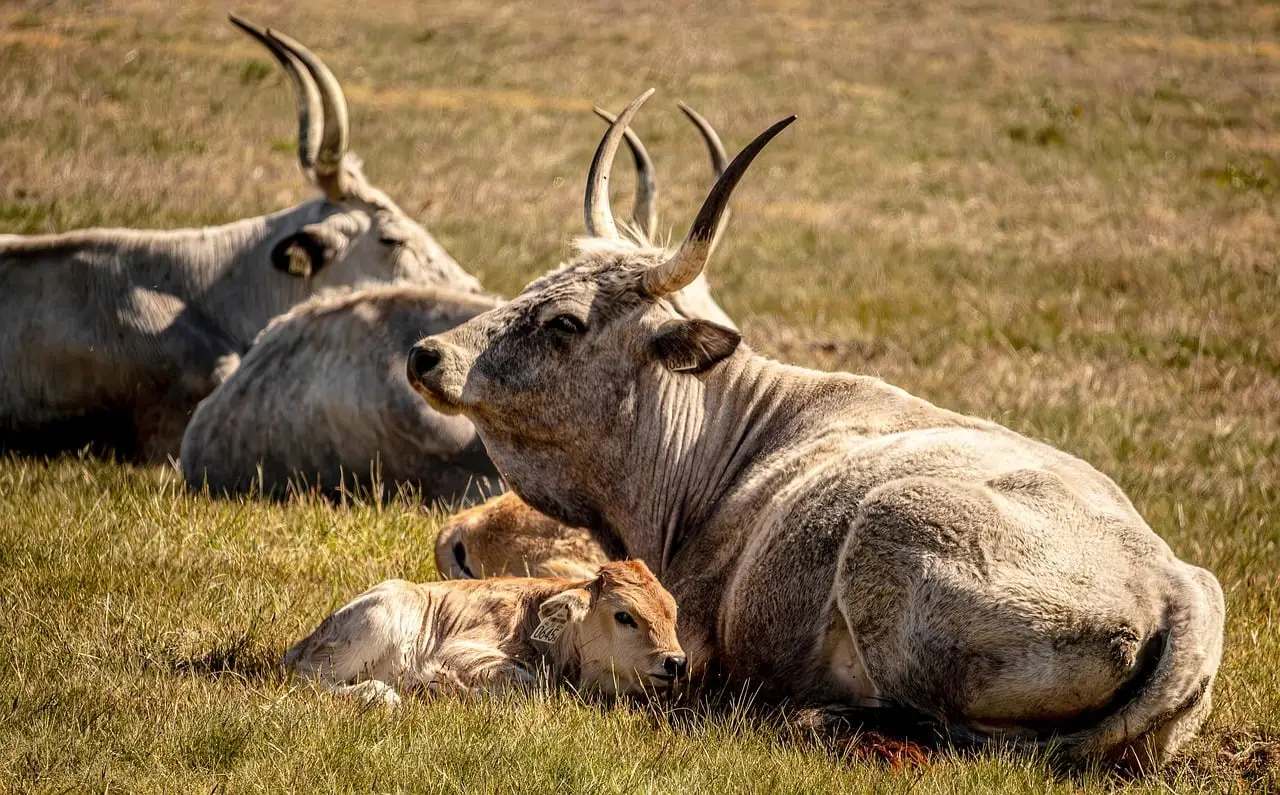
Photo: terbe_rezso / pixabay
More than 500 U.S. counties experienced shortages of food animal veterinarians in 2025 — the highest level on record, according to U.S. Department of Agriculture figures reported by RFD-TV on November 3, 2026. The number matters at the farm gate. In some shortage areas, the retirement of a single practitioner can strip an entire region of veterinary coverage, because one ambulatory veterinarian may cover hundreds of square miles of cattle, sheep and goat country.
For practitioners, the record figure signals a market that recruitment campaigns alone cannot fix.
What does the federal research show?
A September 2026 report from the USDA Economic Research Service, Food-animal Veterinarians and the Persistence of Rural Shortage Areas, found that shortages of food animal and mixed animal veterinarians have persisted in many rural communities for more than a decade despite federal and state initiatives. Researchers identified an especially significant need for veterinarians providing beef cattle services, with some communities relying on extremely small numbers of practitioners to support large livestock populations.
The shortage is geographic and structural, not temporary. That is the report's core finding.
Why are graduates choosing companion animal medicine?
Debt drives the decision. USDA's Rural Veterinary Action Plan reported that the average educational debt for 2024 veterinary graduates carrying debt was approximately $202,647. Against that burden, companion animal practice often offers higher compensation, predictable schedules, and established hospitals with larger support teams. Rural large animal practice involves extensive driving, physically demanding procedures, emergency calls at unpredictable hours, and the financial weight of running an ambulatory business.
The challenge is not a lack of interest in livestock medicine. Students who enjoy food animal work still choose companion animal careers when the financial and lifestyle gaps become difficult to ignore.
What is failing in federal loan repayment?
The Veterinary Medicine Loan Repayment Program, administered by USDA's National Institute of Food and Agriculture, pays educational loans for veterinarians who serve designated shortage areas. Results are poor. Per findings summarized from the USDA's 2026 Economic Research Service report, roughly 69% of designated shortage areas in the 2024 program cycle remained unfilled, and more than half received no applications at all.
Those numbers show the problem extends beyond identifying communities or offering money. Veterinarians may still refuse to establish practices because of limited economic opportunity, hard working conditions, thin professional support, and doubts about long-term sustainability. USDA's 2026 funding announcement outlined approximately $18 million for the VMLRP, with most expected to support veterinarians serving food animal shortages in private practice. The take-home point: cash incentives without sustainable practice conditions do not retain veterinarians once service commitments end.
What does the shortage mean for public health?
The implications reach well past individual farms, and regulators say so. Food animal veterinarians run disease surveillance, antimicrobial stewardship, biosecurity, and food safety, and they are often the first to spot unusual illness patterns in livestock. Their ability to investigate outbreaks, collect diagnostic samples, and coordinate with state and federal animal health authorities is critical for stopping disease before it moves between farms or across state lines.
USDA has emphasized that workforce shortages can weaken the nation's ability to respond to animal disease emergencies and protect agricultural supply chains. The stakes are concrete: highly pathogenic avian influenza, and the potential introduction or spread of foreign animal diseases such as New World screwworm. Fewer veterinarians mean fewer preventive herd health visits, delayed disease detection, and greater difficulty implementing veterinary-directed treatment and prevention programs.
What do retention efforts look like?
Dr. Todd Gunderson, a veterinary professor at Kansas State University, told RFD-TV that attracting students into rural veterinary medicine matters, but keeping them requires an equally serious commitment. He emphasized early exposure through job shadowing, mentorship, and internships, while cautioning that interest alone is not enough. Young veterinarians also need preparation for managing a profitable business, setting professional boundaries, and navigating the changing economics of livestock production.
Recruiting a student is one achievement. Building a sustainable 30-year rural career requires a much broader support system.
A 2026 Washington State report on the large animal veterinary shortage examined long working hours, lower compensation compared with companion animal practice, and the challenge of delivering mobile services across large geographies. It considered shared emergency coverage, regional partnerships, improved haul-in facilities, and business models that reduce the burden on individual practitioners. Veterinary colleges have a parallel role: rural clinical rotations, mentorship, and training in practice ownership, financial management, and personal well-being. Better integration of veterinary technicians and assistants could expand service capacity and reduce burnout pressures.
What happens when the last veterinarian leaves?
Farmers transport animals farther, wait longer, or postpone care. Emergencies — dystocia, traumatic injuries, acute illness — suffer the most, compromising animal welfare and deepening losses for producers on narrow margins. Lost veterinary services also discourage agricultural investment and make it harder for young farmers to establish livestock operations. This is a rural infrastructure problem, not merely an employment issue.
With more than 500 counties reporting shortages, the question facing veterinary schools, associations, policymakers, and employers is no longer whether rural America needs more large animal veterinarians — it is whether the profession can create the conditions for them to stay.
Source: Google News: Veterinary medicine
Elena Vasquez
Show full bio
Market editor covering money, funding and market shifts around Small- and large-animal clinical practice at The Vet Scope.