LSU program targets rural food animal veterinary shortage
Louisiana State University has announced a new program addressing the chronic shortage of food animal veterinarians in rural America, though the initial release carries no cohort figures, funding details, or launch date.
Updated
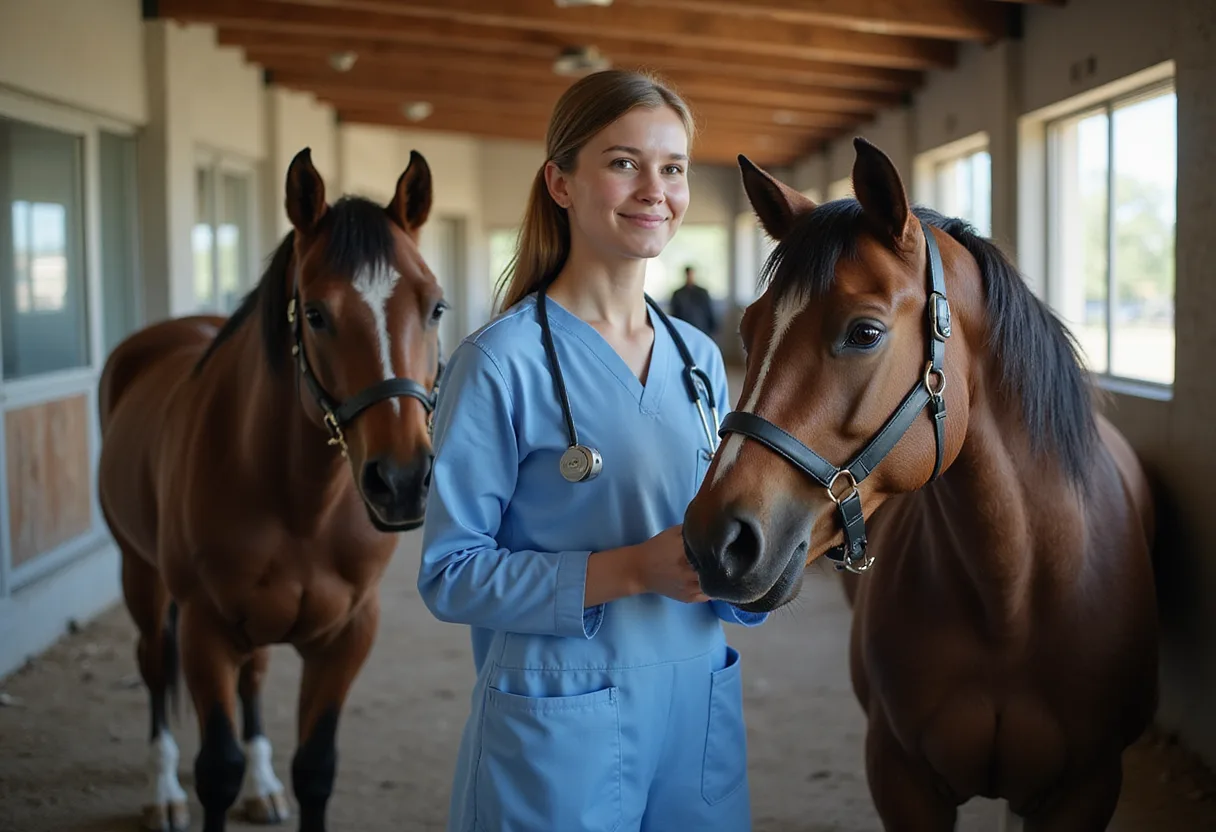
Photo: AI-generated
Louisiana State University has announced a new program targeting the chronic shortage of food animal veterinarians in rural America. The initiative, disclosed through a university news release, responds to a workforce problem that has reshaped livestock medicine across production regions for years.
The release itself carries no specifics on cohort size, curriculum length, funding source, or launch date. What it establishes is institutional intent: a program explicitly designed to address the rural practitioner gap. That framing alone carries signal value for veterinary colleges watching similar demographic curves in their own states. The takeaway: the announcement is a direction, not a pipeline yet.
What does the underlying shortage actually look like?
For practitioners in the field, the problem requires no introduction. Federal shortage designations in food animal medicine have accumulated across rural counties in beef, dairy, and mixed-species country for the better part of two decades. Student debt loads run high. Rural practice revenue, particularly in cow-calf country, rarely supports the compensation packages urban companion-animal clinics can offer. The result shows up at the auction barn and the feedlot: longer travel distances, fewer scheduled herd-health visits, and a slow erosion of the producer-veterinarian relationship that has anchored livestock health for generations. The structural gap is real, it is large, and it has resisted market correction.
Where does this announcement sit in the broader response?
The LSU move lands in a policy environment that has tried, with mixed results, to push back against the decline. The USDA Veterinary Medicine Loan Repayment Program has placed practitioners in shortage areas since 2003, though annual awards cover only a fraction of identified need. State-level tuition assistance, rural practice tax credits, and targeted admissions pathways at land-grant institutions have layered on top. The cumulative effect has slowed the decline without reversing it. No single instrument has closed the gap.
What changes at the exam table or in the barn?
Initially, little. Training pipelines operate on multi-year timescales. A student entering a food animal track this fall will not enter rural practice, if at all, before the end of the decade. The immediate effect of the LSU announcement is recruitment signal: it tells prospective students that the institution takes large-animal medicine seriously as a career path, and it tells producers in Louisiana and adjoining states that a partner may be on the way. The veterinary work that matters happens after graduation, not before it.
The longer-term question is whether the program addresses the structural drivers of the shortage rather than its symptoms. Debt relief without sustained practice support produces a temporary relocation, not a permanent one. Curriculum reform without adequate rural mentorship placements produces graduates unprepared for the realities of solo or two-doctor food animal practice. The announcements that move the needle tend to be the ones that pair financial incentives, clinical preparation, and community integration in a single package.
What should practitioners watch next?
The formal program description, expected in the months ahead, will signal the program's seriousness. Cohort numbers, tuition structure, clinical placement commitments, and any partnership with USDA or state veterinary boards will tell practitioners whether this is a recruitment banner or a substantive pipeline. Practices in Louisiana and adjacent states should consider whether they can host a student or absorb a new graduate within the program's first five years of operation. Early engagement shapes program design.
For the veterinary profession, the LSU announcement joins a growing list of institutional responses to a workforce challenge that market forces alone have failed to solve. Whether it produces measurable change in shortage-area coverage by 2030 will depend on funding, recruitment, and the willingness of rural practices to absorb the graduates the program produces. The next data point worth watching is the program's first published curriculum, due before the first cohort enrolls.
Source: Google News: Animal health industry
Elena Vasquez
Show full bio
Market editor covering money, funding and market shifts around Small- and large-animal clinical practice at The Vet Scope.
Related articles
High School Students Trained to Fill Rural Veterinarian Gaps
Purdue Veterinary College Expands, Targeting Rural Care Gaps
Too Few Vets, Too Many Animals: The Farm Veterinarian Shortage
OSU Veterinary Medicine Couple Returns to Practice in Rural Oklahoma
Arkansas Opens First College of Veterinary Medicine at A-State