Too Few Vets, Too Many Animals: The Farm Veterinarian Shortage
Farm animals outnumber the veterinarians available to treat them. Rural producers wait longer, drive farther and manage without oversight as the shortage deepens.
Updated
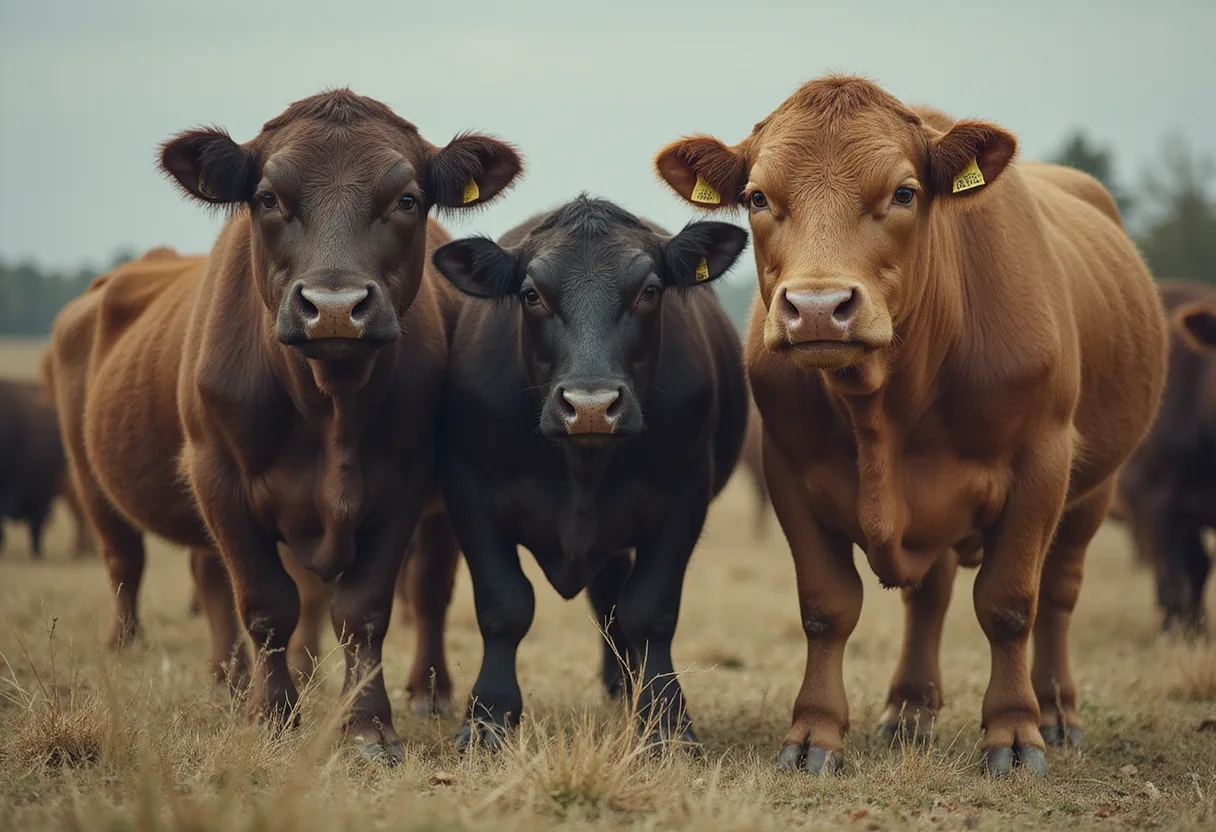
Farm animals across the United States outnumber the veterinarians available to treat them, and the gap is widening in rural livestock country, a shortage that now shapes daily decisions at the farm gate and inside the exam room.
The problem carries a blunt arithmetic: too few veterinarians, too many animals. Where a dairy or feedlot once relied on a nearby practitioner for routine herd work, emergency calls and regulatory duties, producers increasingly wait longer, drive farther or manage without veterinary oversight altogether.
What does the shortage change at the farm level?
For food-animal producers, the shortage touches everything from calving emergencies to vaccination schedules. Herd-health planning, disease surveillance and timely treatment all depend on access to a practitioner who knows the operation. When that access thins, producers absorb the delay, and the animals absorb the risk.
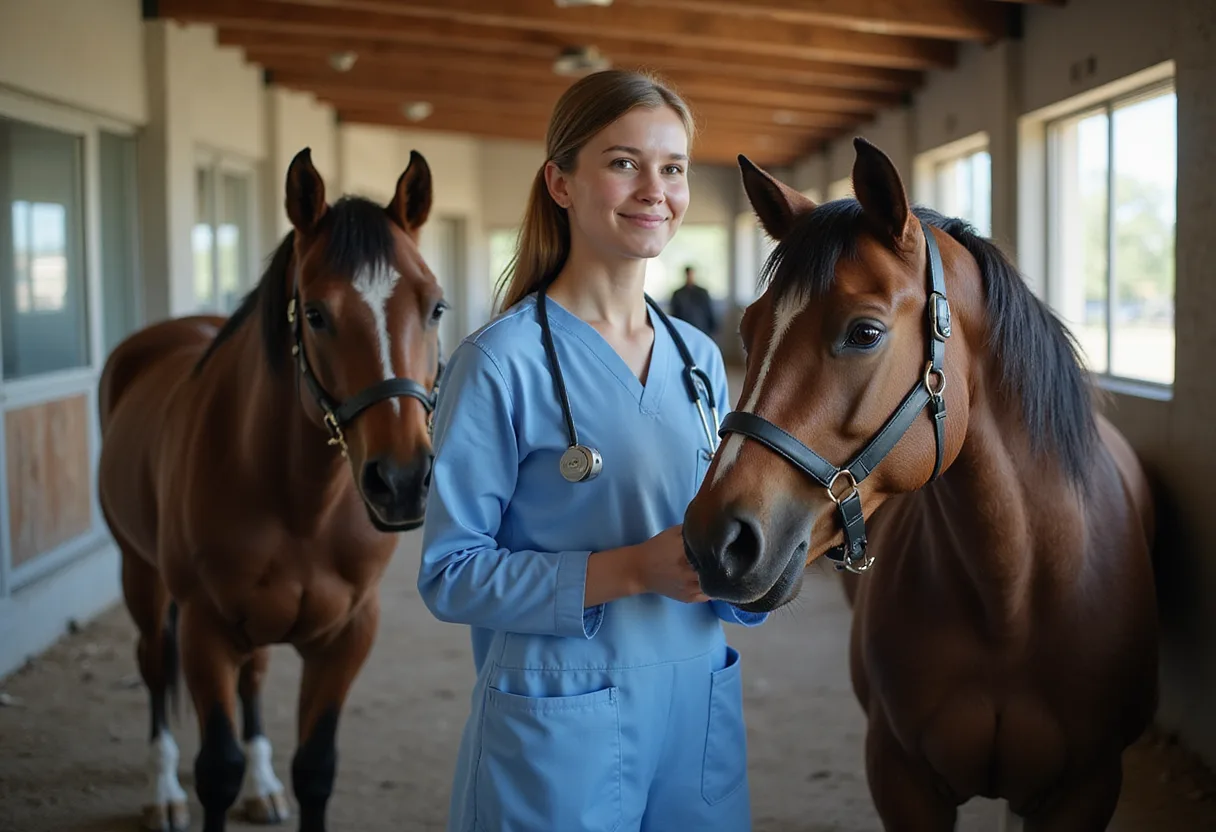
For veterinarians still practicing in rural areas, the same arithmetic lands on the other side of the fence. Fewer colleagues mean longer on-call rotations, wider coverage territories and less capacity to take new clients. Practices in livestock-heavy regions report the strain in scheduling, not in sentiment.
Why companion-animal and food-animal medicine diverge
The shortage sits almost entirely on the food-animal side. Most new veterinary graduates choose companion-animal practice, drawn by urban location, predictable hours and pay structures that rural food-animal work struggles to match. The result is a profession that grows overall while livestock coverage shrinks in the places that need it.
That divergence carries public-health weight. Food-animal veterinarians form part of the frontline for detecting reportable diseases, guiding antimicrobial use and safeguarding the food supply. Every unfilled rural position removes one layer of that surveillance.
What could close the gap?
Lawmakers and veterinary organizations have pressed incentives — loan repayment for graduates who commit to underserved areas among them — as the standard lever. Whether those programs can expand fast enough to match retirements and the shrinking rural pipeline of students with livestock backgrounds remains the open question.
Producers, practices and veterinary colleges will watch the next round of incentive funding and graduate placement data closely, because the shortage will not ease until the number of veterinarians entering rural practice begins to match the number of animals waiting for them.
By Nathan Brooks, The Vet Scope
Source: Google News: Veterinary medicine
Nathan Brooks
Show full bio
Senior reporter covering companies, deals and strategy in Small- and large-animal clinical practice at The Vet Scope.
Related articles
Rural Veterinarian Shortage Strains Farm Animal Care in Countryside Communities
Large Animal Vet Shortage Adds New Burden for Cattle Producers
LSU program targets rural food animal veterinary shortage
High School Students Trained to Fill Rural Veterinarian Gaps
Large Animal Care Access Gap Persists Across the US