Rural Veterinarian Shortage Strains Farm Animal Care in Countryside Communities
Rural communities face mounting barriers to veterinary care as the large-animal veterinarian shortage strains herd health, emergency response, and disease surveillance in farm country.
Updated
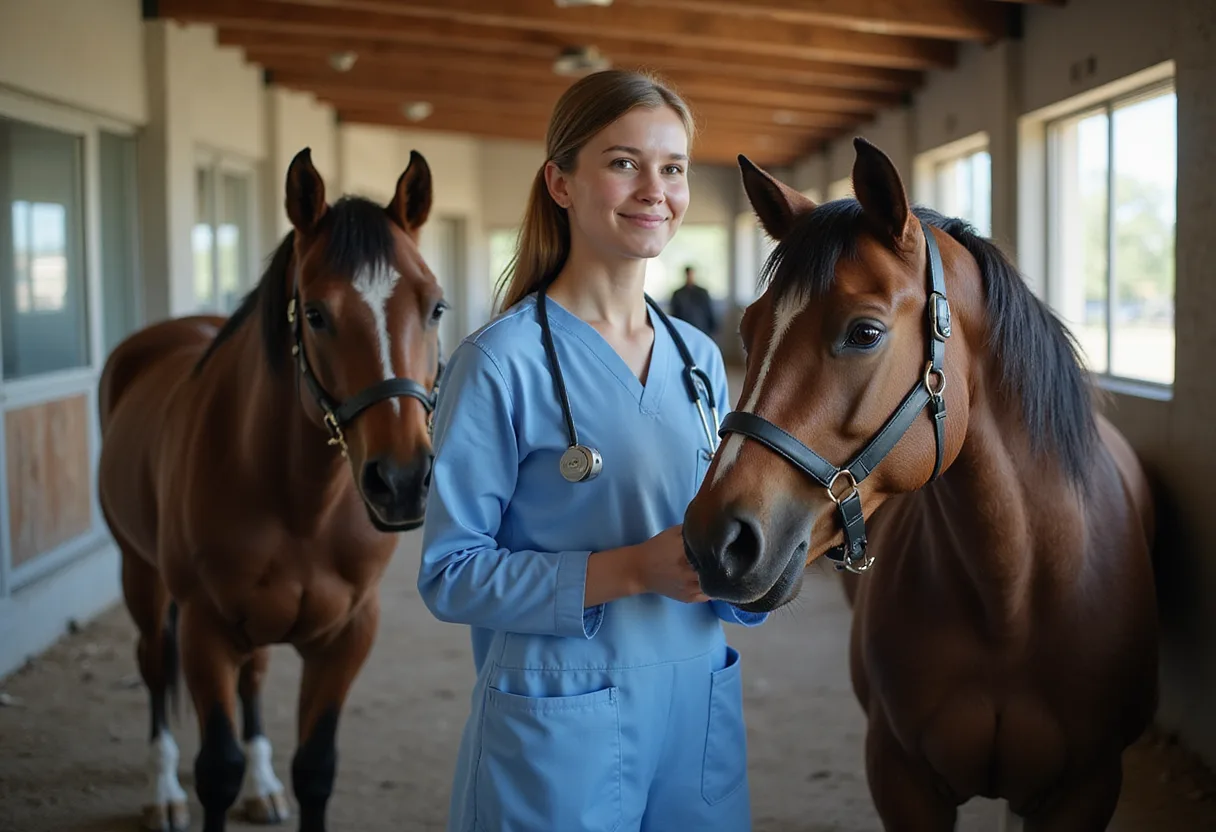
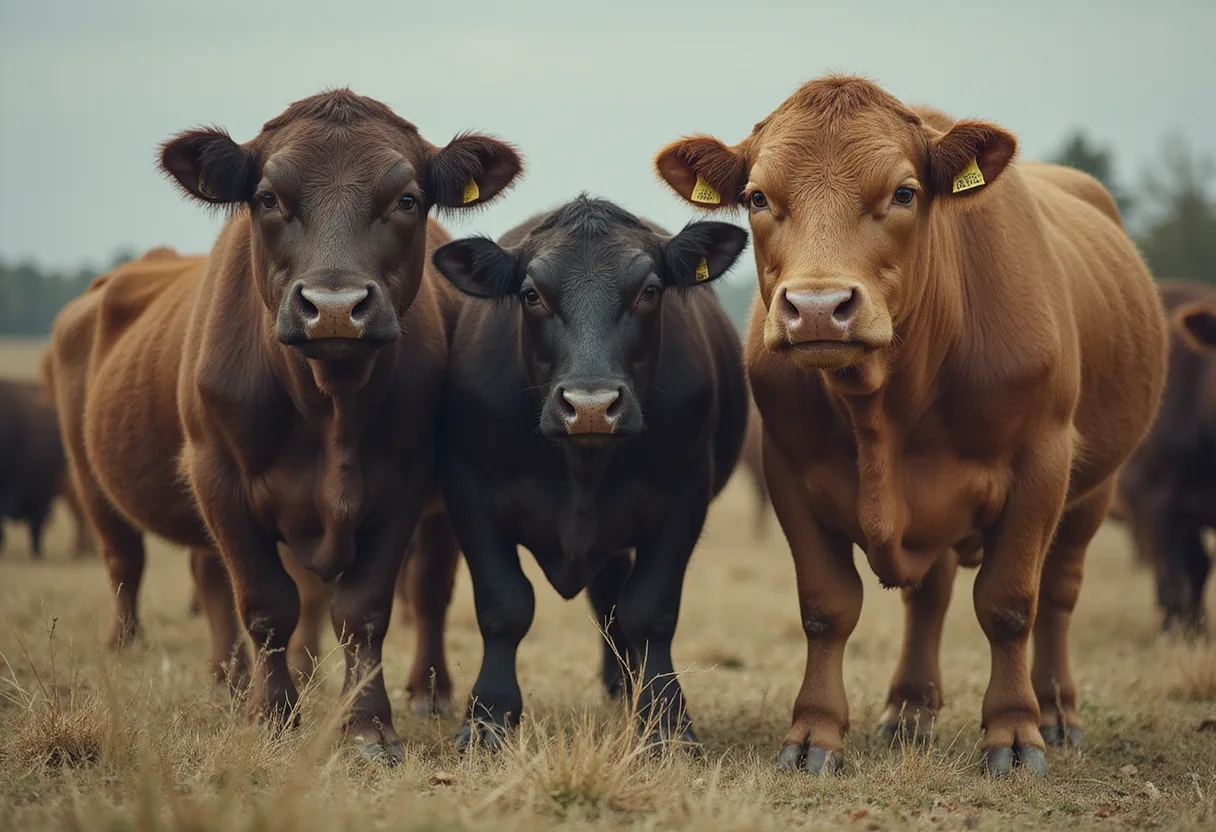
Photo: AI-generated
Rural communities across farm country are facing mounting challenges accessing veterinary care as the shortage of large-animal veterinarians deepens, according to a report from the Red River Farm Network.
The report centers on a problem food-animal practitioners and livestock producers already know firsthand: too few veterinarians are serving too many square miles, and the gap shows up at the farm gate, in emergency response times, and in herd-health programs that depend on regular professional oversight.
Who feels the shortage first?
Livestock producers carry the immediate burden. When no veterinarian practices within practical driving distance, routine work — pregnancy checks, vaccination timing, herd health consultations — gets deferred or done without professional input. Emergency cases hit hardest: a difficult calving or a downed animal can't wait for a veterinarian who is hours away or fully booked.
The shortage also reshapes the economics of rural practice itself. Veterinarians who do serve these regions often cover enormous territories solo or in very small teams, which constrains after-hours coverage, drives burnout, and makes succession planning difficult when a sole practitioner nears retirement.
What does this mean for practice-level decisions?
For clinics in shortage areas, the calculus is defensive. Producers may increasingly rely on telephonic guidance from distant veterinarians, which works for some herd-health questions but cannot replace hands-on diagnostics, surgery, or regulatory work such as health certificates for interstate movement.
For food-animal and public-health oversight, the gap matters beyond the individual farm. Veterinarians in rural areas serve as frontline surveillance for reportable diseases, residue avoidance, and antibiotic stewardship in food-producing animals. Thinner professional coverage in these regions means fewer eyes on herd-level disease events that can carry broader consequences.
Companion-animal owners in rural towns feel the squeeze too. Many mixed-animal practices in shortage regions juggle both small- and large-animal caseloads, and appointment backlogs in one category directly affect the other.
Why the pipeline hasn't kept pace
The Red River Farm Network report adds to a long-running rural-coverage problem the profession has documented for years: new graduates tend toward companion-animal practice in metropolitan areas, while food-animal work in remote regions offers higher debt-to-income pressure, demanding hours, and professional isolation.
Recruiting and retaining large-animal veterinarians in underserved counties remains the central challenge the report highlights. Communities, veterinary colleges, and loan-forgiveness programs have all tried to redirect graduates toward rural food-animal practice, but the coverage gap the report describes shows the problem persists on the ground.
What comes next
Producers and clinic owners in affected regions will be watching whether current workforce strategies — targeted incentives, expanded rural training tracks, and community-level recruitment efforts — can translate into practicing veterinarians where the shortage is felt most. The report's account of rural challenges underscores that the answer will be measured not in policy announcements but in whether a veterinarian answers the call when a herd emergency comes in after midnight.
Source: Google News: Veterinary medicine
Daniel Okafor
Show full bio
News editor covering technology and product news in Small- and large-animal clinical practice at The Vet Scope.