Washington Confirms Highly Pathogenic Bird Flu in Dairy Cattle
Washington confirms its first case of bird flu in dairy cattle, shifting the outbreak west and raising biosecurity stakes for the state's herd veterinarians.
Updated
Photo: AI-generated
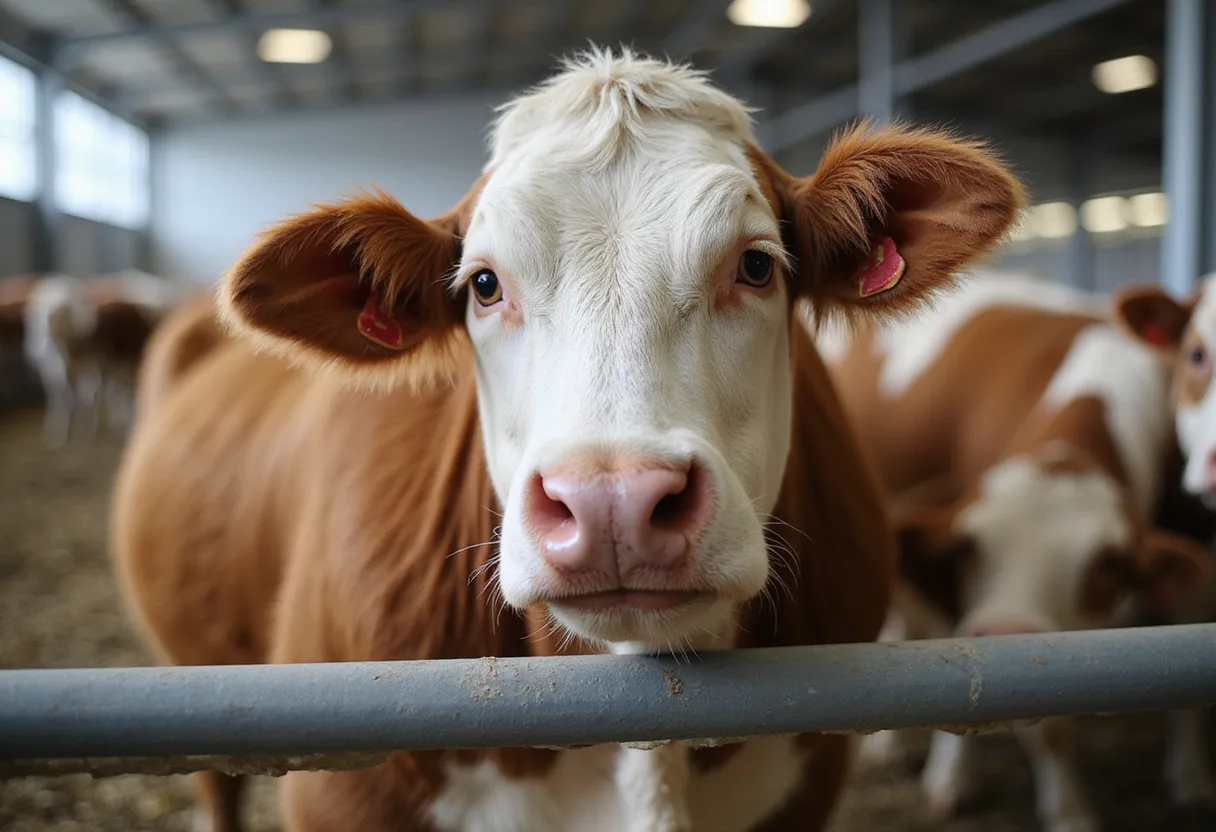
Washington has recorded its first confirmed case of highly pathogenic avian influenza — bird flu — in dairy cattle, according to a report from AGDAILY.
The detection marks a new geographic chapter in the spread of the virus into U.S. dairy herds, extending a pattern that has already affected dairies in several other states since the outbreak first reached cattle in 2024. For Washington's cattle veterinarians, the confirmation converts what had been a regional monitoring question into a local, herd-level reality.
What should clinicians watch for at the herd level?
The case underscores the need for Washington dairy practitioners to keep influenza infection on the differential list for lactating cows showing the clinical signs now associated with the cattle form of the disease. Nationally, affected dairies have reported a recognizable syndrome: a sharp drop in milk production, thicker and discolored milk, reduced feed intake, and fever, generally in mid-lactation cows.
Producers and herd veterinarians who observe unexplained production drops or suspicious milk changes should treat them as a potential reportable-disease signal rather than a routine management problem. Early communication with state animal health authorities is the practical first step, because confirmation requires official testing.
The situation also reinforces basic biosecurity discipline on dairies in the affected region:
- Limit movement of cattle between herds until their health status is clear
- Control exposure to wild birds around feed, water, and housing
- Restrict shared equipment and personnel movement between sick and healthy groups
- Isolate newly introduced or clinically affected animals promptly
- Report suspicious clinical signs to the state veterinarian's office
How does the dairy picture connect to the wider outbreak?
Avian influenza in cattle remains primarily an animal-health and industry-traceability problem, but it sits adjacent to a public-health question, because the virus has shown limited ability to infect people exposed to infected animals. Regulatory agencies, including the USDA at the federal level alongside state animal health authorities, continue to manage testing, movement controls, and epidemiological tracing tied to detections in cattle.
The companion-animal angle is narrower but real: domestic cats on affected farms have proved susceptible in previous herd investigations, so households and barn cats associated with infected dairies warrant sensible precautions around raw milk and sick animals.
For the food supply, federal agencies have consistently held that the commercial milk supply remains safe because pasteurization inactivates the virus, and milk from sick cows is diverted under existing rules.
What changes now for Washington veterinarians?
A first detection in a state typically triggers the standard response sequence: quarantine and movement controls on the affected premises, epidemiological investigation into how the virus arrived, and surveillance to determine whether other herds are involved. State animal health officials will direct those steps.
The immediate practice-level implication is vigilance. Washington dairy veterinarians now practice in a state with confirmed infection, which shifts the pretest probability of avian influenza in cattle presenting with compatible signs. Clinicians should confirm current testing protocols and reporting requirements with the Washington State Department of Agriculture before they need them, not after.
Further surveillance results from the affected herd and any epidemiological findings on the source of introduction will shape whether this remains a single detection or the leading edge of a wider incursion in Washington's dairy sector.
Source: Google News: Livestock health
Amara Osei
Show full bio
Correspondent covering companies, deals and strategy in Small- and large-animal clinical practice at The Vet Scope.
Related articles
Washington Reports First Avian Influenza Detection in Dairy Cattle
HPAI confirmed in two Washington dairy herds
Dairy producer perceptions of H5N1 drive biosecurity study in Journal of Dairy Science
New Veterinarians Urged to Tackle Animal-Human Diseases
USDA APHIS Avian Influenza Page Tracks Ongoing H5N1 Response