New Veterinarians Urged to Tackle Animal-Human Diseases
A Daily Trust report carries a direct appeal to new veterinarians to focus on diseases that cross between animals and humans, framing zoonotic practice as a professional obligation.
Updated
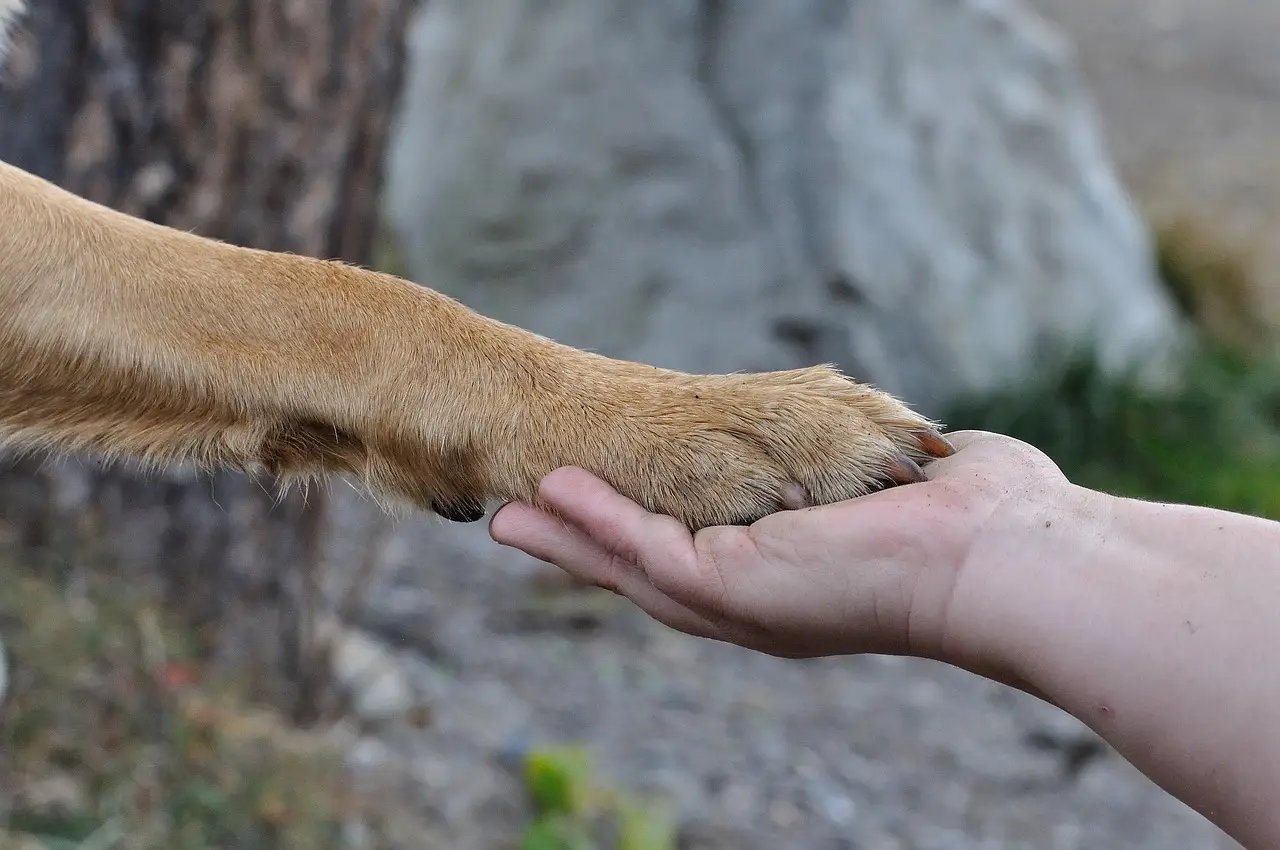
Photo: Pezibear / pixabay
A Daily Trust report published under the headline "New Veterinarians Urged To Tackle Animal-Human Diseases" carries a direct appeal to recently qualified veterinarians. The framing positions zoonotic work as a professional obligation rather than a specialty pursuit.
Public-health agencies have long classified zoonotic diseases as the source of roughly three-quarters of emerging infectious diseases in humans. That category spans bacterial infections such as brucellosis, tuberculosis, and salmonellosis, viral threats including rabies, avian influenza, and coronaviruses, and parasitic conditions such as toxoplasmosis and cysticercosis. Most circulate silently in livestock or wildlife reservoirs before spilling into human populations, often through close contact at the farm gate, in live-animal markets, or during food preparation at home.
Where veterinarians fit in the response chain
Veterinarians occupy the earliest detection point for most zoonotic threats. A drop in milk yield in a dairy herd, an unusual poultry die-off, or a suspect rabid dog represents a data point that reaches no human clinician without veterinary involvement. That data point also drives regulatory action, from quarantine orders to vaccination campaigns to import bans.
The Daily Trust appeal highlights that early-career veterinarians entering field practice, abattoir inspection, or district veterinary offices constitute the operational layer of national early-warning systems. Without that layer, surveillance collapses into passive reporting from human hospitals, by which point an outbreak has usually spread beyond containment.
Past outbreaks have exposed the consequences of thin veterinary capacity. The 2009 H1N1 influenza pandemic, repeated highly pathogenic avian influenza H5N1 outbreaks, and the 2014 to 2016 West African Ebola epizootic each strained systems that depended on under-resourced veterinary offices. The pattern repeats whenever veterinary presence at the district level thins out.
What the call changes at the practice level
New veterinarians face immediate pressure to choose between companion-animal clinics, mixed rural practice, food-animal production medicine, public-sector veterinary services, and academic research. Each path carries different exposure to zoonotic risk and different influence on outbreak response. The choice typically lands within the first year of graduation, when student debt and salary expectations shape decision-making.
Public-sector and food-animal roles often pay less than urban companion-animal positions. The Daily Trust framing suggests these posts require deliberate recruitment of recent graduates to maintain surveillance capacity. The argument is not new, but the urgency in the headline reflects continued shortfalls in veterinary workforces across sub-Saharan Africa, where many countries report ratios below the World Organisation for Animal Health benchmark.
The workforce math matters because livestock densities in pastoral and agropastoral systems across Nigeria, Niger, Chad, and Cameroon run into tens of millions of cattle, sheep, and goats. A single government veterinarian may serve several local government areas. The cost of an unfilled posting is measured in delayed outbreak detection and weakened food safety.
Companion-animal, food-animal, and public-health implications
For companion-animal practice, the call carries an indirect message. Rabies control, dog-mediated bite surveillance, and antimicrobial stewardship in small-animal clinics all feed the same zoonotic framework. Veterinarians who do not work with livestock still contribute to the human-animal disease interface through routine preventive care.
For food-animal practice, the implications are direct. Herd-level vaccination, biosecurity audits, and residue testing define the daily workload. Each task corresponds to a measurable reduction in human disease burden downstream, and each skipped task raises downstream case counts.
For public health, the appeal underscores how veterinary services underpin human health systems in ways that medical training alone cannot substitute. The One Health framing, long promoted by the World Health Organization, the Food and Agriculture Organization, and the World Organisation for Animal Health, depends on a veterinary workforce distributed across rural, peri-urban, and abattoir settings. In short, no practice setting sits outside the zoonotic mandate.
Why the call lands now
Veterinary school enrollment in Nigeria and neighboring countries has expanded in recent years, raising the absolute number of graduates. Distribution has not kept pace with underserved rural and public-sector posts. Each new class enters a job market that offers higher compensation in urban small-animal practice than in district veterinary offices, abattoirs, or border inspection posts.
That compensation gap shapes disease risk. When district veterinary offices go unfilled, ante-mortem and post-mortem inspection at slaughter slabs declines. The regulatory floor under food-borne zoonoses such as tuberculosis and cysticercosis weakens as a result, and outbreaks follow.
Whether the appeal changes distribution patterns will depend on whether professional bodies, veterinary councils, and government livestock services attach concrete incentives to public-sector and rural postings. The Daily Trust headline, stripped to its core message, asks new graduates to absorb that risk calculus as professional duty rather than financial calculation.
The takeaway: the call reframes zoonotic practice as the default expectation for new veterinarians, and the next decade of outbreak response will turn on how the workforce distributes itself.
Source: Google News: Veterinary medicine
Daniel Okafor
Show full bio
News editor covering technology and product news in Small- and large-animal clinical practice at The Vet Scope.
Related articles
Animal Health Gets as Little as 0.6% of Global Health Spending
Report links global wildlife trade to zoonotic disease spread
Political and economic forces shape zoonotic disease risk
Wildlife trade linked to 40 years of animal-to-human pathogen spread
Down To Earth: Zoonoses Strategy Must Extend Past Biology