Uganda microbiome survey maps bacteria at chimpanzee–livestock interface
Veterinary Microbiology is set to publish a 15-author survey of pathogenic bacteria at Uganda's chimpanzee–human–livestock interface online on 15 October 2026. Companion-animal relevance is indirect; food-animal and public-health translation is sharper.
Updated
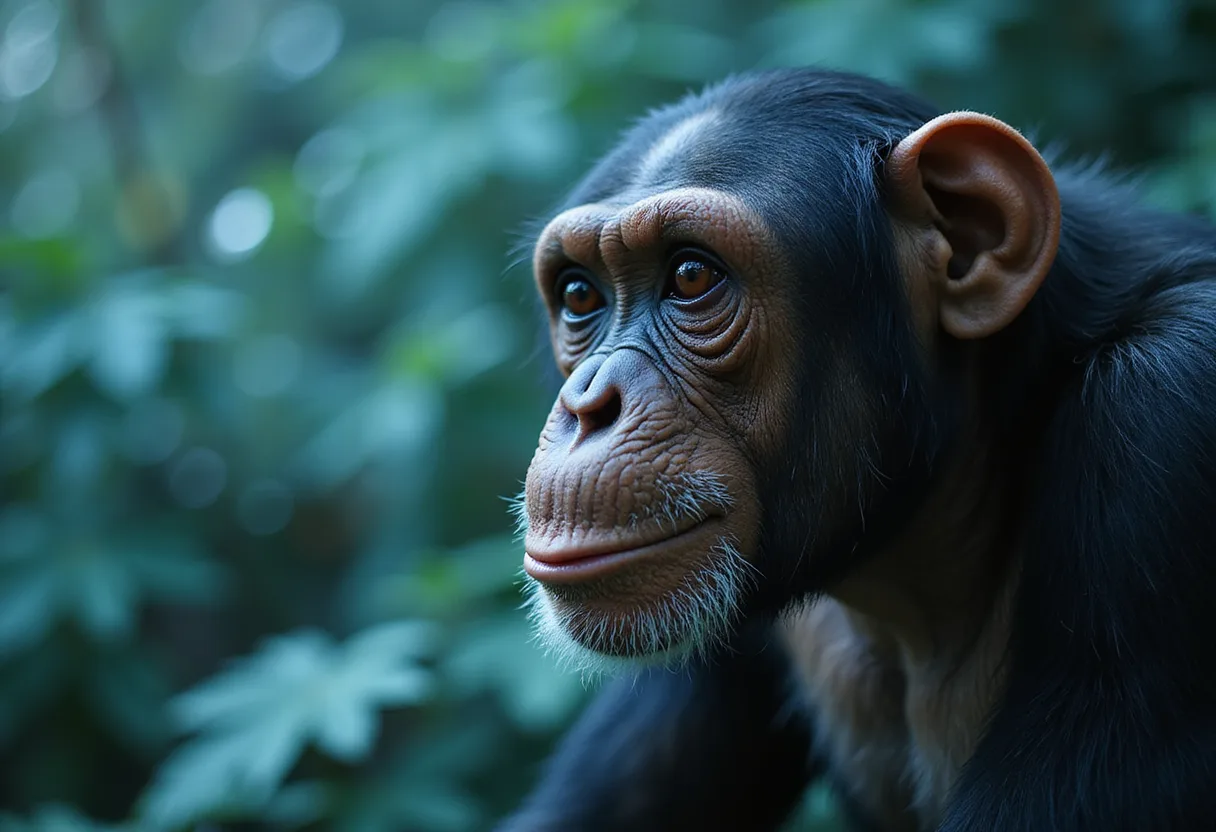
Photo: AI-generated
What publishes and when?
A microbiome survey of pathogenic bacteria circulating where free-ranging chimpanzees, people, and livestock share habitat in Uganda will appear online in Veterinary Microbiology on 15 October 2026. The paper, "Microbiome-based survey of pathogenic bacteria at the chimpanzee–human–livestock interface, Uganda," carries a 15-author roster led by Andrea Dias-Alves.
Who authored it?
The contributor list runs through Caroline Asiimwe, Catherine Hobaiter, John Walter Akankwasa, Fred Babweteera, Edrine Kayaga, Ignasi Marco, Mariette Viladomat Jasso, Manuel García-Ulloa, Anna Malavé, Lourdes Migura-Garcia, Xavier Fernández Aguilar, Jaime Martínez-Urtaza, and Oscar Cabezón.
The mix of names — Ugandan researchers alongside contributors with Iberian surnames — points to a multi-institutional field collaboration. Wildlife–livestock interface studies typically pull in primate ecologists, field veterinarians, microbiologists, and molecular sequencing specialists, all of whom converge at the laboratory bench and the forest-edge village.
What does the title imply?
A metagenomic look at the bacterial communities present where chimpanzees, humans, and livestock overlap. Older wildlife-pathogen work tended to culture single organisms — Salmonella, Campylobacter, Shigella, Mycobacterium. Microbiome screens, by sequencing all DNA in a sample rather than growing individual colonies, recover a wider slice of bacteria, including opportunistic and environmental species standard diagnostics miss.
The chimpanzees, the rural villagers, and the cattle, goats, and pigs those villagers keep share water sources, salt licks, crop residue, and grazing land. Everything that moves through that physical overlap is candidate material for the survey.
What changes at the clinic or in the barn?
Nothing direct for companion-animal practice. No dogs, cats, or horses appear in the named interface. The data will interest specialists in zoonotic disease, antimicrobial resistance, primate health, and food-animal herd medicine.
For food-animal and public-health veterinarians in East Africa, the translational value is sharper. A shared microbial map across a forest-edge village tells a clinician which resistance patterns circulate in the local herd before any individual animal arrives at the chute. It tells a district veterinary officer where to focus active surveillance. It also flags bacterial lineages that human clinicians should expect to see in patients presenting from those villages.
What comes next?
Veterinary Microbiology is an Elsevier title indexed in CAB Abstracts and MEDLINE, with strong readership among veterinary microbiologists and wildlife-disease specialists. The paper arrives as surveillance in sub-Saharan Africa shifts from pathogen-by-pathogen testing toward broader metagenomic and amplicon-based screens — a move driven by falling sequencing costs and by repeated demonstrations that single-target diagnostics undercount real microbial flow.
Such data also feed public-health agencies tracking zoonotic reservoirs, including regional antimicrobial-resistance surveillance networks built over the past decade. The study enters the literature as regional authorities weigh how to integrate wildlife-health findings into existing livestock surveillance frameworks, a question with practical implications for staffing, sampling protocols, and laboratory capacity.
Sample size, field sites, sequencing platform, and the bacterial taxa shared across the three host groups will surface once the full text posts online on 15 October.
Source: Veterinary Microbiology (Elsevier)
Amara Osei
Show full bio
Correspondent covering companies, deals and strategy in Small- and large-animal clinical practice at The Vet Scope.
Related articles
Report links global wildlife trade to zoonotic disease spread
Down To Earth: Zoonoses Strategy Must Extend Past Biology
Nigeria, World Bank launch AMR initiative in livestock sector
ASM Journals review examines zoonotic risk at traditional food markets
Nigerian report reignites livestock antimicrobial resistance debate