ASM Journals review examines zoonotic risk at traditional food markets
A review titled 'Zoonotic disease risk at traditional food markets' now appears in ASM Journals, placing live-market commerce in front of veterinary and public-health practitioners.
Updated
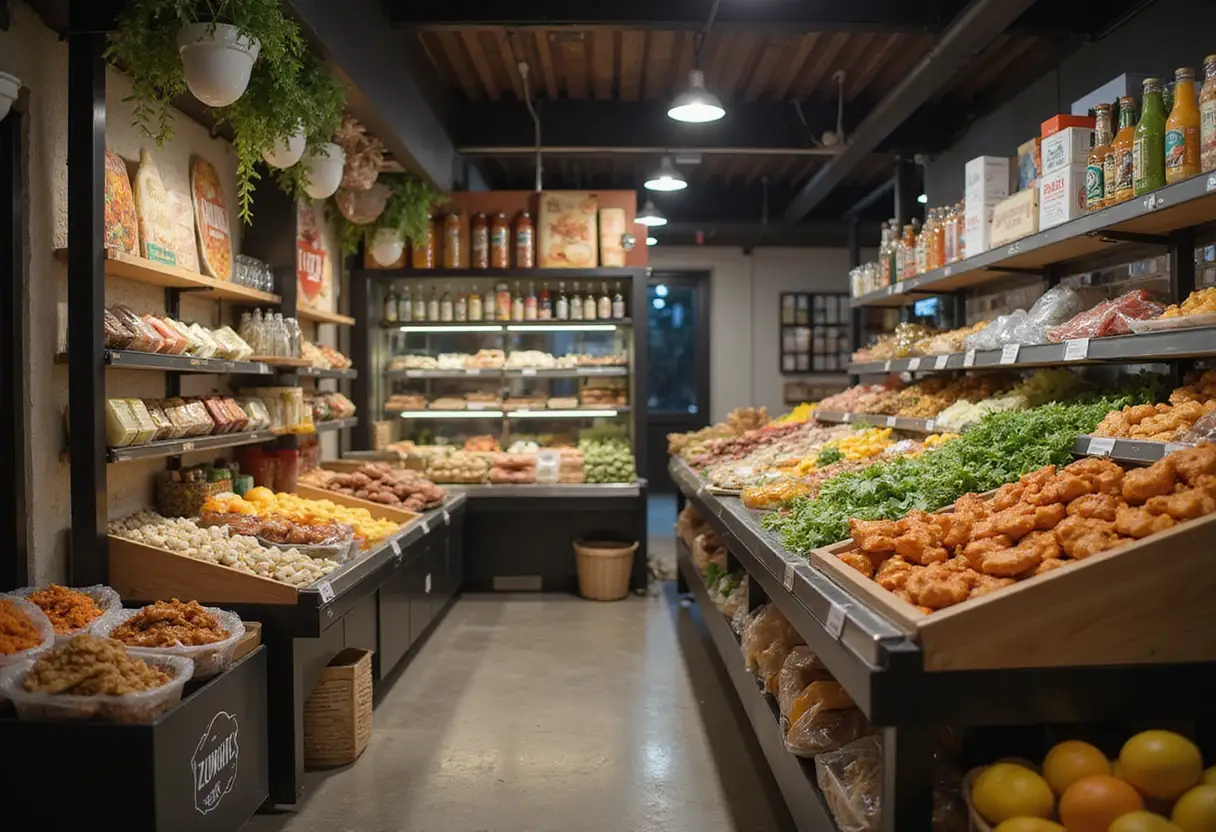
Photo: AI-generated
A paper titled "Zoonotic disease risk at traditional food markets" now appears in ASM Journals, placing live-market commerce in front of veterinary and public-health practitioners once again.
ASM Journals serves as the peer-reviewed publishing arm of the American Society for Microbiology. A review in this venue on traditional food markets enters a body of literature that has driven regulatory change in regions where live-animal retail remains common.
The publication category spans bacterial, viral, and parasitic agents with documented spillover from animal hosts to humans. It intersects veterinary and public-health practice at multiple points.
What is the paper about?
The title points to zoonotic risk in markets where animals are sold alive, slaughtered on premises, or processed under conditions that increase human-animal contact. Such settings include wet markets, live-bird markets, and other traditional food retail venues.
They concentrate animal density, mix species, and place workers and consumers in repeated close contact. The title alone does not specify which pathogens the review covers, the geographic scope, or the species emphasis.
Practitioners seeking those details should retrieve the original from ASM Journals directly and confirm whether the paper is a primary study, a systematic review, or a narrative review. Read the original first.
What does this mean for companion-animal practice?
Small-animal clinicians should treat the title category as relevant to any client sourcing pet food through traditional channels. Households that purchase fresh meat at venues of this type face bacterial and parasitic risks when those products enter the home raw.
Counsel clients on kitchen hygiene, separation of raw protein in the refrigerator, and the risks raw diets pose to immunocompromised household members and pets. Document those discussions at every visit.
The chart note protects the practice when a client chooses to feed raw despite the conversation. The paper's category supports the existing professional consensus on raw feeding that major veterinary associations have published.
What does this mean for food-animal practice?
For practitioners serving producers who supply traditional markets, the paper's category intersects existing biosecurity and surveillance work. Herd-level testing, pre-movement examination, and on-farm biosecurity remain the operational backbone of trade into markets with documented zoonotic risk.
Mixed-practice veterinarians working with poultry and small ruminants in regions with active traditional retail should expect the review to support protocols already in place. The category also covers traceback work when human illness clusters implicate a herd of origin.
What does this mean for public health?
Public-health agencies have used the same body of literature to drive market closures, mandatory surveillance, and trade restrictions. Practitioners who flag unusual zoonotic clusters in their patient population should communicate with state and local health departments using the shared vocabulary this literature provides.
Reportable conditions, sample submission protocols, and chain-of-custody requirements all flow from the regulatory framework this literature has informed. The review category likely supports those requirements.
What should practitioners look for when reading the original?
Look for the study design first. Primary studies report new surveillance or outbreak data. Systematic reviews aggregate published evidence. Narrative reviews summarize the field.
Check the species and pathogen lists. A paper on traditional food markets may focus on poultry, swine, or a mix. It may emphasize bacterial, viral, or parasitic agents, or all three.
Note the regulatory context. The paper may cite FDA CVM, USDA, EMA, or local agencies depending on geographic scope. Practitioners outside the paper's geographic frame should map findings to their own regulatory environment.
The practical takeaway: a new ASM Journals review on zoonotic disease risk at traditional food markets is now available. Practitioners across companion, food-animal, and public-health practice should retrieve the original and review its methods before updating client counseling, biosecurity protocols, or outbreak communications.
The forward outlook: this publication marks continued academic attention to a category of risk that has shaped veterinary and public-health practice for decades. Future ASM Journals work in this area will likely expand as surveillance data accumulate and new spillover events drive regulatory revision.
Source: Google News: Zoonotic disease
Elena Vasquez
Show full bio
Market editor covering money, funding and market shifts around Small- and large-animal clinical practice at The Vet Scope.