BMJ Review Maps Disease Risks in Traditional Live-Animal Markets
A BMJ Public Health review consolidates evidence on public health risks from live animal and animal product trade in traditional food markets across low- and middle-income countries.
Updated
Photo: AI-generated
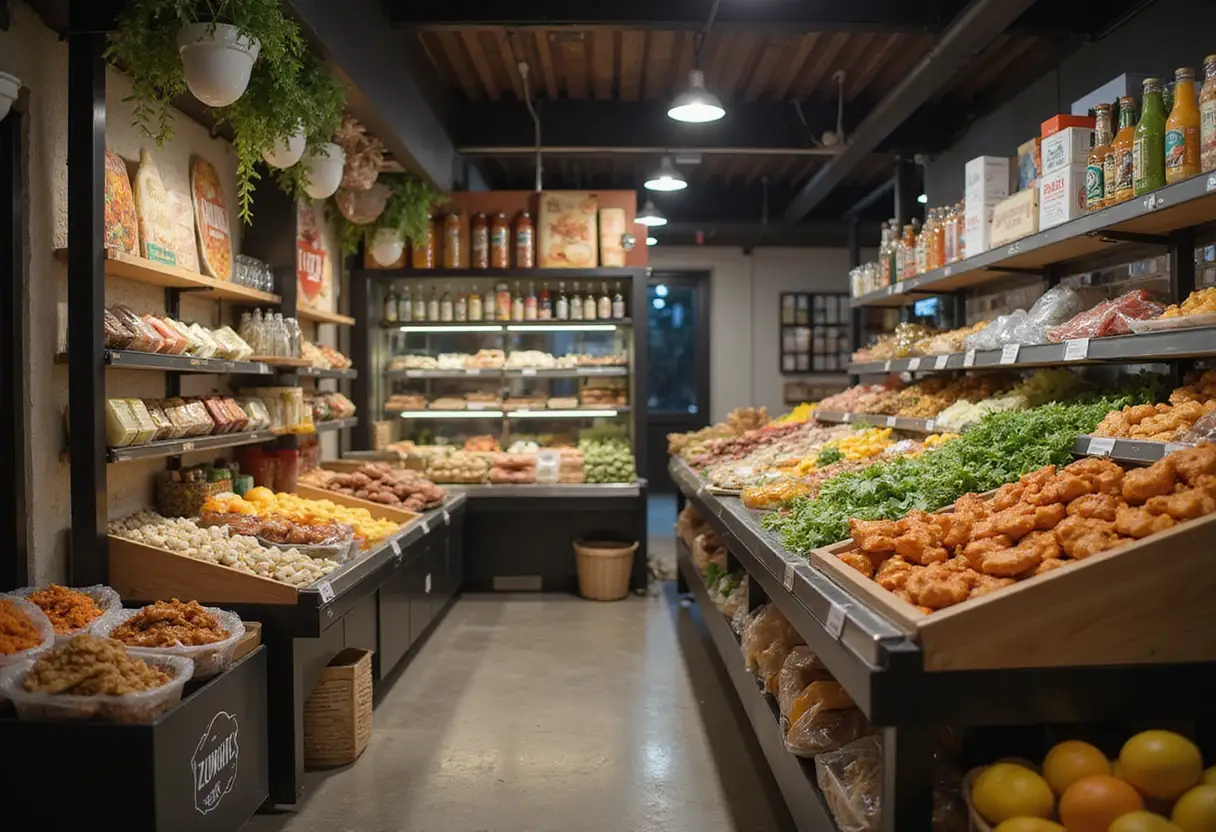
A review in BMJ Public Health has consolidated evidence on the public health risks and control measures tied to live animal and animal product trade in traditional food markets across low- and middle-income countries. The synthesis targets a recurring policy problem: where food security, informal commerce, and pathogen emergence converge.
The review frames traditional wet markets as a single analytic category. Its scope spans live poultry, swine, small ruminants, and wild-caught species sold for human consumption, alongside animal products moving through the same venues. The shared feature is limited inspection, no cold chain, and close contact between animals, vendors, and customers. The takeaway: market structure, not just pathogen biology, drives the risk profile.
What does this mean for food-animal practice?
For livestock veterinarians in LMICs, the review underlines what practitioners already see in the field. Mixed-species holding and on-site slaughter create the conditions for pathogen exchange. Avian and swine influenza reassortment, foodborne bacterial contamination, and rodent-borne zoonoses all trace back to market infrastructure as much as to farm-level control. The takeaway: clinical work at the farm cannot offset structural risk at the point of sale.
What is the companion-animal connection?
The companion-animal link runs through wildlife trade rather than livestock. Bushmeat and live wild-animal products bring exotic pathogens into urban settings shared with household pets. Practitioners advising clients who travel to or source animals from LMIC markets should counsel on zoonotic risks, even when the pet itself is not the primary vector. The takeaway: travel history and import behavior belong in the intake form.
Where does public health fit?
Public health is the review's organizing concern. Market-based surveillance functions as a frontline tool against pandemic emergence, alongside wildlife trade regulation, laboratory capacity, and rapid response. Coordination between veterinary services, public-health agencies, and market operators remains inconsistent across jurisdictions. Programs that succeed share one feature: they are built with vendors, not against them. The takeaway: compliance follows inclusion.
What changes at the regulatory level?
For regulators, the review supplies structured evidence for decisions on market modernization, temporary closure, and species restrictions. No single model prevails. Reform approaches range from centralized slaughter mandates to voluntary vendor training, with documented trade-offs between food access, livelihoods, and pathogen control. The takeaway: regulation succeeds when it accounts for the market it aims to reform.
What are the evidence gaps?
The review acknowledges that LMIC markets often lack systematic disease surveillance. Reported zoonotic events are likely undercounts. The review calls for sentinel-site monitoring in high-volume markets, harmonized reporting standards, and shared data platforms. The takeaway: data deficits shape the policy ceiling as much as the policy choice.
What is the forward look?
Integration is the next step. Veterinary services, food-safety regulators, and public-health agencies increasingly share the same outbreak horizon. A coherent response requires agreed trigger points for market closure, vendor compensation during restrictions, and shared laboratory networks. The review positions traditional markets as surveillance partners rather than sites to be closed by default.
Source: Google News: Zoonotic disease
Elena Vasquez
Show full bio
Market editor covering money, funding and market shifts around Small- and large-animal clinical practice at The Vet Scope.
Related articles
ASM Journals review examines zoonotic risk at traditional food markets
Uganda Warns Against Housing Livestock in Markets Over Disease Risk
Political and economic forces shape zoonotic disease risk
Backyard Chickens in the Spotlight: German Study Probes Zoonotic Risk
Wildlife Trade And Human Health: What A New Study Adds