Rabies resurfaces in mainland Europe, BBC Wildlife reports
A BBC Wildlife Magazine headline claims rabies has returned to mainland Europe. The framing prompts an immediate review of ORV programs, EU pet travel rules under Regulation 576/2013, and clinical exposure counselling.
Updated
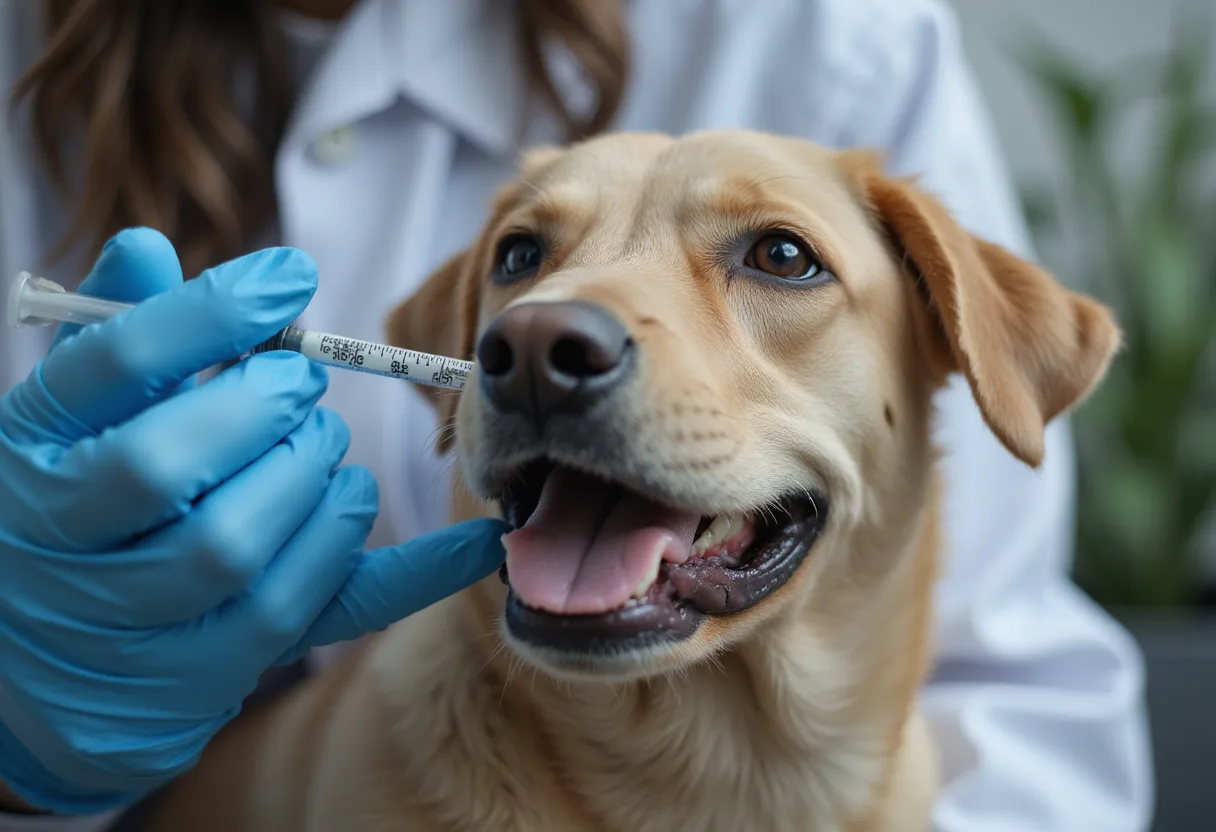
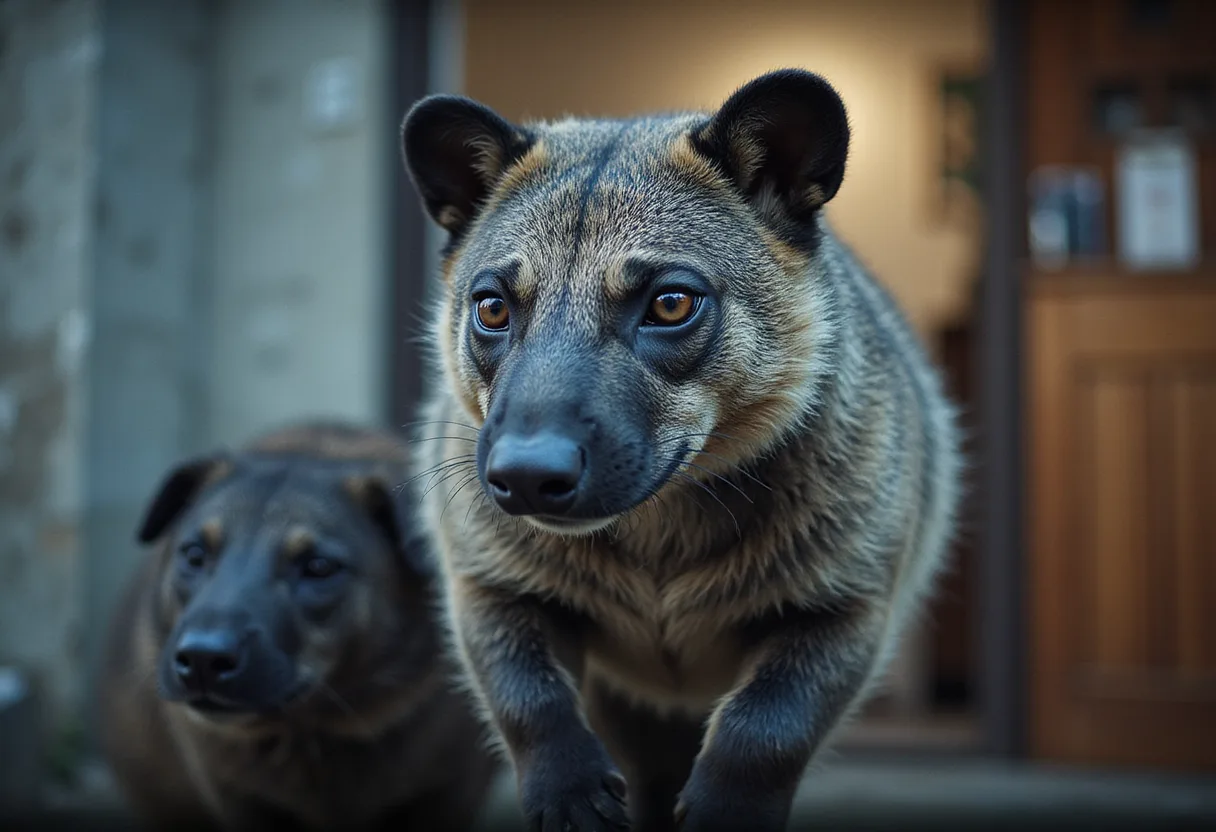
Photo: AI-generated
A BBC Wildlife Magazine headline reads: "Rabies is back in mainland Europe – here's why and what we can do to stop it." The framing — a documented return of a notifiable viral zoonosis once driven to the margins of the continent — puts veterinary clinicians, wildlife authorities, and traveling pet owners on notice.
The full text of the BBC Wildlife article, including the named countries, case counts, and policy prescriptions, was not in the source feed reviewed here. What follows is a synthesis of the headline claim and the established veterinary and public health context that any rabies re-emergence in mainland Europe would activate.
What did "rabies-free mainland Europe" actually mean?
Western and Central European countries spent the second half of the 20th century pushing terrestrial rabies toward elimination. The mechanism was coordinated oral rabies vaccination (ORV) of red foxes (Vulpes vulpes), with bait drops typically conducted in spring and autumn over wide geographic belts. By the early 2010s, multiple EU member states had been declared free of fox-mediated rabies by the World Organisation for Animal Health (WOAH, formerly OIE).
That status underpins pet travel rules under EU Regulation (EU) No 576/2013. The regulation requires a licensed inactivated or recombinant rabies vaccine and a titre-neutralizing antibody test for dogs, cats, and ferrets crossing external EU borders. A reversal of rabies-free status in any member state would force immediate review of those movement controls.
Why does the headline matter at the exam table?
For companion animal practice, the operational questions are short and immediate:
- Which countries are now flagged, and on what case data?
- Are there documented spillovers into domestic dogs or cats, or only sylvatic (wildlife) circulation?
- What is the official advice on booster intervals for traveling pets whose destination country has changed risk status?
The general drivers of European rabies resurgence, well documented in the veterinary literature, include disruption of ORV baiting programs (often linked to funding gaps or political fragmentation), cross-border movement of unvaccinated reservoir hosts, illegal pet trade, and wildlife population recovery in previously controlled areas without parallel vaccination coverage.
Which species are in scope?
The reservoir and at-risk populations divide cleanly across three fronts:
- Wildlife. Red foxes (Vulpes vulpes) remain the dominant sylvatic reservoir in continental Europe. Raccoon dogs (Nyctereutes procyonoides), an invasive species established in northern and eastern Europe, are a recognised secondary reservoir in countries where ORV coverage is incomplete.
- Companion animals. Dogs are the principal bridging host into human households. Cats are over-represented in surveillance reports relative to their population share, reflecting their hunting behaviour and unsupervised outdoor access.
- Livestock. Cattle, horses, and small ruminants are dead-end hosts and rarely transmit rabies to people, but they generate regulatory and economic reporting obligations when bitten on pasture by a wild canid.
What shifts on the public health side?
Rabies lyssavirus is notifiable across European jurisdictions and is a WOAH-listed disease of global concern. The European Centre for Disease Prevention and Control (ECDC) coordinates surveillance across the bloc. Europe has historically reported very few human cases; most recent human exposures trace to imported dogs rather than endemic wildlife transmission.
A documented wildlife resurgence would re-weight that profile. It would put pressure on post-exposure prophylaxis (PEP) stockpiles and on veterinary capacity to triage suspect bites.
Practitioners should review client counselling on three points now: vaccination status verification for any traveling pet, avoidance of contact with wild canids and bats, and prompt reporting of any suspected exposure to public health authorities.
What to watch
The BBC Wildlife report will sharpen the clinical picture once the full article, its cited case data, and the named control measures are reviewed. Until then, the headline finding alone — that rabies is back in mainland Europe — warrants an immediate check of in-clinic rabies vaccination protocols, post-exposure referral pathways, and client travel guidance.
Source: Google News: Zoonotic disease
Amara Osei
Show full bio
Correspondent covering companies, deals and strategy in Small- and large-animal clinical practice at The Vet Scope.
Related articles
Rwanda Targets Zero Rabies Deaths by 2030 Through One Health
Chile becomes first South American country to eliminate dog-transmitted rabies
Egypt's Agriculture Ministry Ramps Up Rabies Field Operations
Community-Led Dog Vaccination Could Cut Rabies Deaths, WSU Study Finds
Rabies Prevention Belongs on Every Farm's Risk Checklist