Rabies Prevention Belongs on Every Farm's Risk Checklist
Farms.com urges producers to treat rabies as a whole-farm risk: wildlife exposure, suspect animal handling and vaccination decisions all determine whether the virus reaches handlers.
Updated
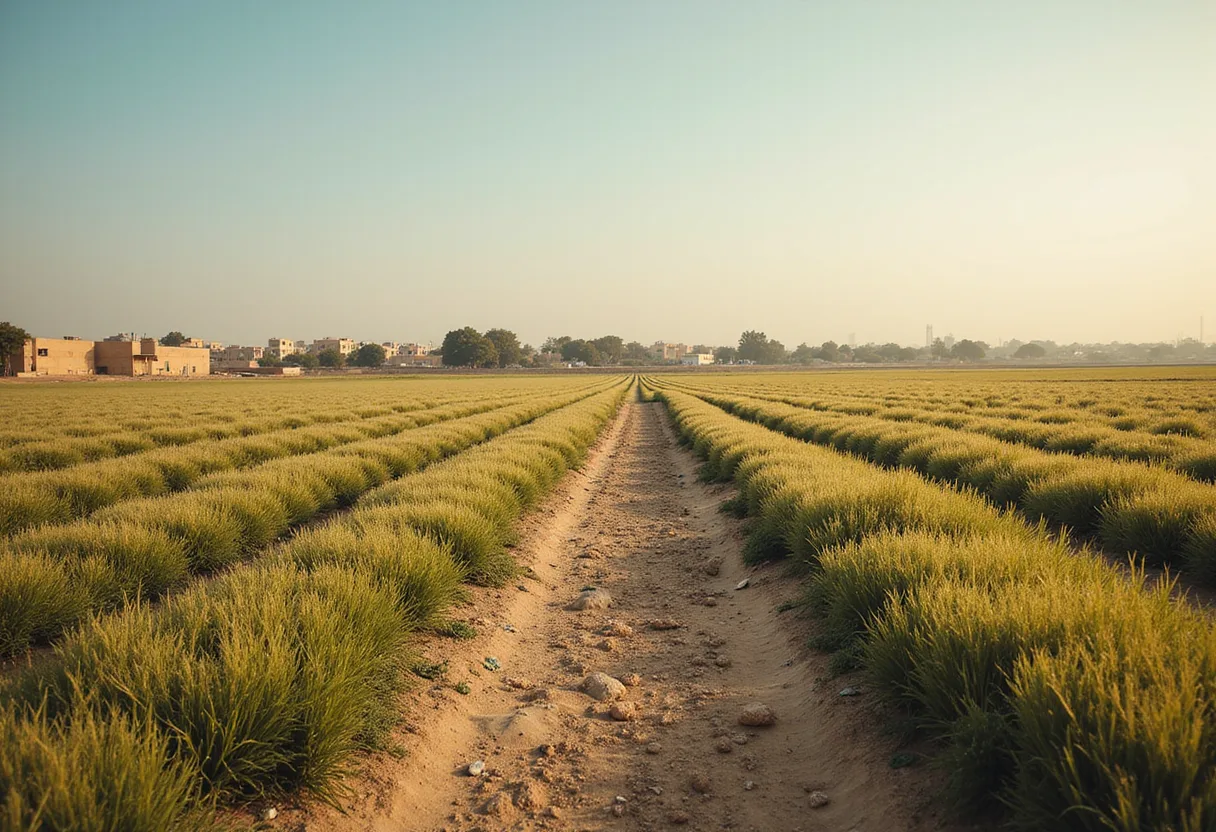
Photo: AI-generated
Rabies prevention has moved onto the farm agenda, and Farms.com is telling producers why the disease deserves a place on every operation's risk checklist. The viral infection remains a live threat wherever livestock, wildlife and people share ground, and farms concentrate all three.
The case for attention is structural. Farms attract wildlife carriers, house susceptible animals and employ handlers who work in close physical contact with them daily. A single exposure event can reach a veterinarian, a herd worker or a family member before anyone suspects the source animal.
Why does rabies reach farms at all?
The disease does not circulate within cattle or sheep herds the way it does in wildlife reservoirs. Instead, farm animals encounter rabid wild carriers, and a bite or saliva contact transfers the virus. An infected animal then becomes a hazard to every handler who touches its mouth, examines it or treats it.
That route places the burden on observation. Behavioral change in a normally docile animal, unexplained aggression, drooling or progressive paralysis all warrant suspicion. Producers who handle such animals without gloves or caution convert a veterinary problem into a human medical emergency.
What should farmers actually do?
The guidance from the source centers on prevention rather than treatment. There is no cure once signs appear, so every practical measure sits upstream of infection.
Key actions the article points toward include:
- Reporting suspicious behavior in livestock or wildlife to a veterinarian promptly
- Vaccinating animals where a veterinarian recommends it for the operation
- Limiting contact between domestic animals and wildlife where feasible
- Using gloves and caution when handling any animal with unexplained neurological signs
- Seeking medical advice immediately after any bite or saliva exposure
Each step shifts risk away from the people who work the animals.
Who carries the exposure risk?
The handler does. A producer who hand-feeds an animal, restrains it for examination or treats a wound stands closest to the virus. Veterinarians face the same exposure when called to examine an animal with neurological signs that nobody has flagged as suspect.
That shared risk is the reason the article frames rabies as a whole-farm issue rather than a single-animal concern. Prevention practiced by one person protects everyone who later touches the animal.
What is the takeaway?
Rabies on a farm is a preventable hazard managed through vaccination decisions, wildlife control, prompt reporting and careful handling of suspect animals. Producers who treat those steps as routine will keep a rare but fatal disease from reaching their herd, their staff or their household.
Source: Google News: Livestock health
Daniel Okafor
Show full bio
News editor covering technology and product news in Small- and large-animal clinical practice at The Vet Scope.
Related articles
Rabies Case in Cattle Prompts Safety Guidance From Health Officials
Rwanda Targets Zero Rabies Deaths by 2030 Through One Health
Egypt's Agriculture Ministry Ramps Up Rabies Field Operations
New Veterinarians Urged to Tackle Animal-Human Diseases
Two Bats Test Positive for Rabies in Montana, Prompting Pet-Owner Warning