New World Screwworm Case in Texas Triggers Movement Restrictions
A confirmed New World screwworm case in Texas has triggered livestock movement restrictions and heightened monitoring, putting producers and veterinarians on alert.
Updated
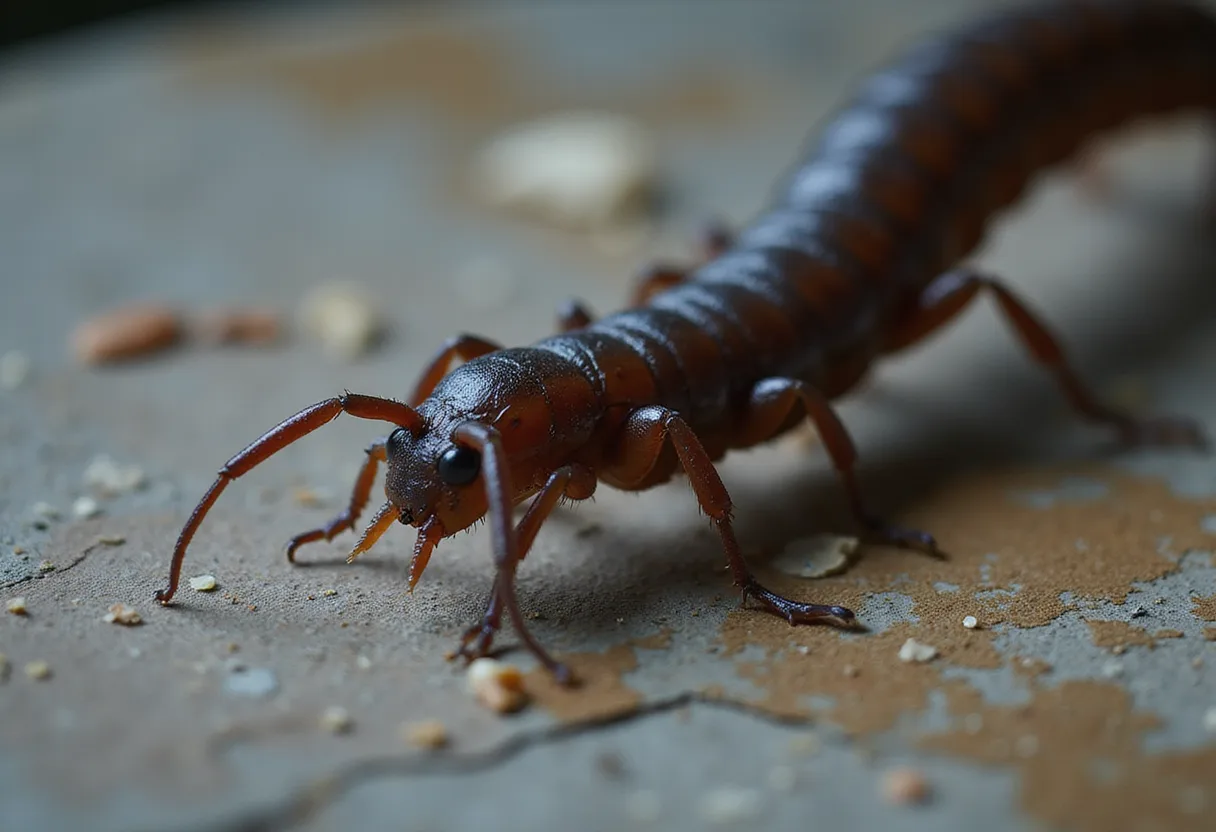
Photo: AI-generated
A confirmed case of New World screwworm in Texas has triggered movement restrictions and heightened livestock monitoring, according to Brownfield Ag News. The detection marks the arrival of a parasite that North American producers have not contended with on home soil in decades.
New World screwworm is the larva of the fly Cochliomyia hominivorax. The fly lays eggs in open wounds on living warm-blooded animals, and the larvae feed on living flesh rather than dead tissue. Untreated infestations are frequently fatal in livestock.
The confirmed Texas case places state and federal animal health authorities in response mode. Movement restrictions are now in force, and officials have intensified monitoring of livestock in the affected region.
What does a confirmed case mean for producers?
Movement restrictions are the first-line tool against a parasite that moves with its host. Producers in Texas and neighboring states should expect:
- Limits or requirements on moving livestock out of the affected area.
- Closer inspection of animals at points of sale and transport.
- Heightened surveillance for wounds that fail to heal or show signs of larval infestation.
The disease is reportable. Veterinarians and producers who suspect screwworm myiasis must contact state animal health officials or USDA authorities without delay.
Why this detection carries weight
The United States and Mexico eradicated New World screwworm decades ago, using the sterile insect technique, in which irradiated male flies are released to collapse the wild population. That eradication stands as one of the landmark achievements of area-wide pest control.
The parasite's return to Central America and, in 2023, to Mexico, has kept North American veterinary authorities on alert. A confirmed case on U.S. soil, in Texas, is the event the surveillance system was built to catch early.
Companion-animal, food-animal and public-health implications
Food animals. Cattle are the classic host, but sheep, goats, swine and horses are all susceptible. Movement restrictions will fall hardest on cattle operations in the affected zone, where breeding stock, feeder animals and market-ready lots all face transport friction.
Companion animals. Dogs and cats can also become infested through any open wound. Veterinarians in Texas should examine slow-healing wounds closely and consider screwworm in the differential.
Public health. Humans are susceptible hosts as well. Screwworm myiasis in people is rare where the fly is absent, but a confirmed animal case raises the local risk for workers in direct contact with infested livestock.
What happens next
The response playbook is established: quarantine and treat infested animals, trace movement of animals from the affected premises, and, if spread is detected, release sterile flies to break the reproductive cycle.
For now, the confirmed Texas case, the movement restrictions and the intensified monitoring define the operational picture. State and federal authorities have not signaled how long the restrictions will remain in place, and producers should treat official channels as the authoritative source for updates.
The early signal from this detection is that surveillance worked. How far the parasite has traveled, and whether sterile-fly releases follow on U.S. soil, are the questions the coming weeks will answer.
Source: Google News: Livestock health
Daniel Okafor
Show full bio
News editor covering technology and product news in Small- and large-animal clinical practice at The Vet Scope.
Related articles
New World Screwworm Advances North in Mexico, Texas On Alert
New World Screwworm Returns to Texas, First Detection Since 1966
New Screwworm Cases Reach New Mexico as U.S. Detections Rise
Texas Confirms Additional New World Screwworm Cases in Livestock
Second Screwworm Case Confirmed in Texas Cattle Region