New World Screwworm Advances North in Mexico, Texas On Alert
Texas producers urged to heighten wound checks as New World screwworm advances north through Mexico, drawing a decades-old eradication line into question.
Updated
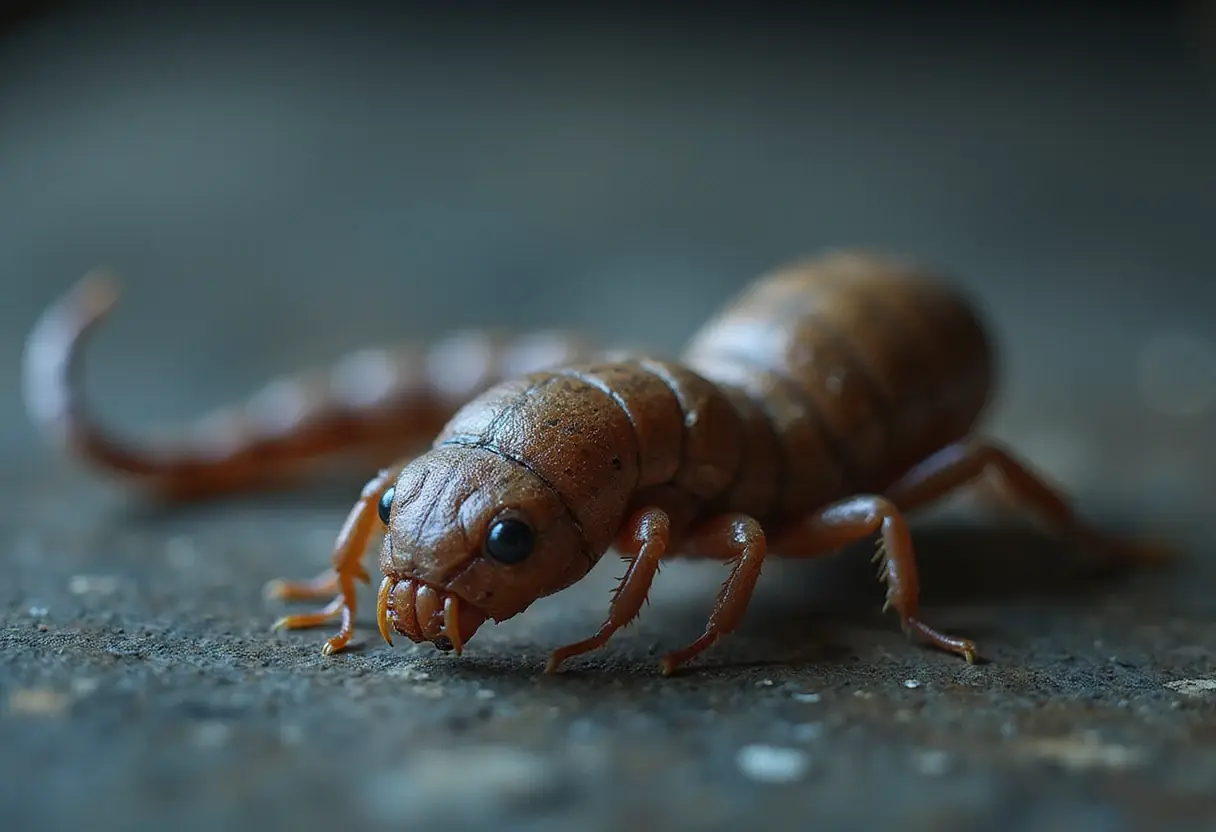
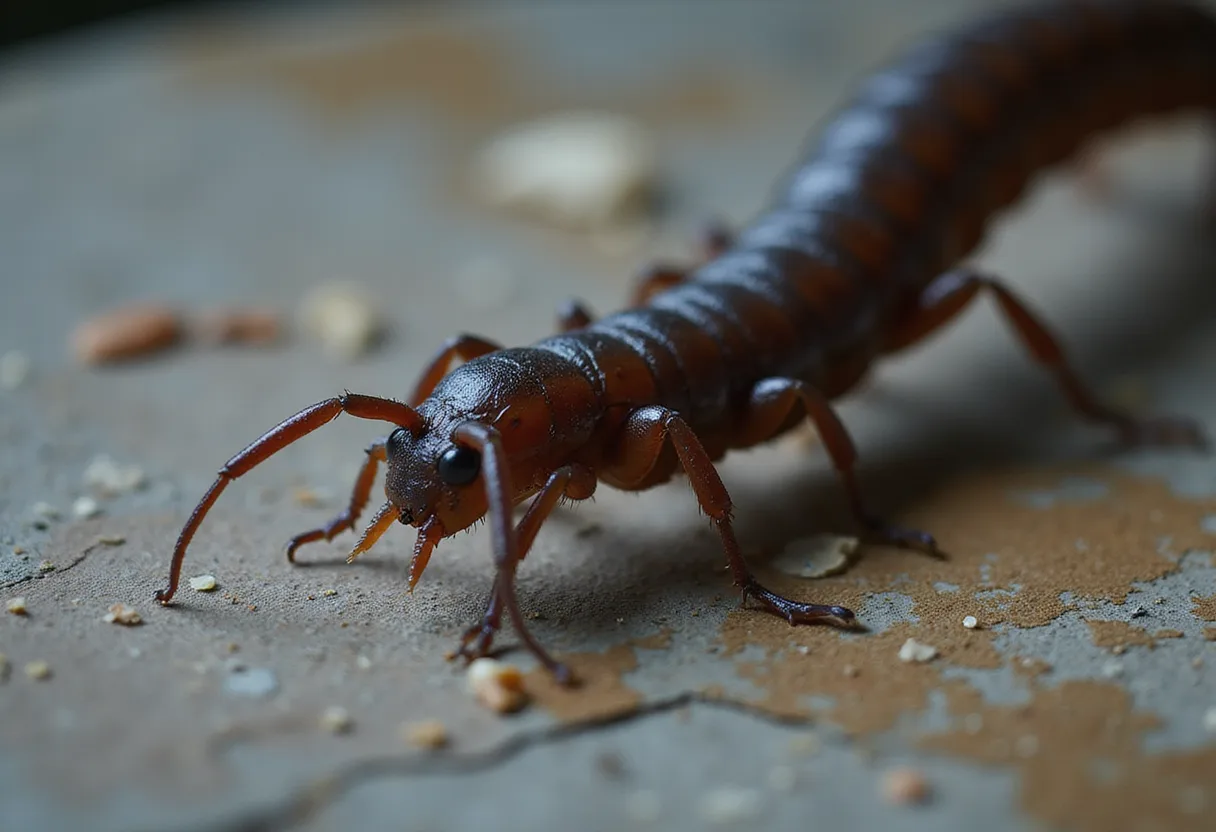
Photo: The Metropolitan Museum of Art / The Met · CC0
Texas animal health officials are urging livestock producers to stay alert as New World screwworm moves north through Mexico, reopening a threat that American herds have not faced in decades.
The call to vigilance follows confirmed spread of the parasite within Mexican territory, bringing a fly whose larvae feed on living tissue closer to the United States border. For cattle operations in Texas, the practical change starts now: every wound on every animal becomes a potential entry point, and early detection is the only tool that keeps an infestation from becoming a herd-level event.
What is New World screwworm?
The New World screwworm fly, Cochliomyia hominivorax, lays eggs in open wounds of warm-blooded animals. The larvae feed on living flesh rather than dead tissue, which separates them from common blowfly strike and makes untreated infestations rapidly fatal. Cattle bear most of the economic burden, but horses, sheep, goats, wildlife and even dogs fall within its host range.
The pest also carries a public-health dimension: humans can be infested, so a northward spread concerns more than the livestock sector alone.
Why the Texas warning matters
The United States eliminated screwworm from its territory decades ago through the sterile insect technique, in which irradiated male flies released over wide areas break the reproduction cycle. That eradication underpins current export confidence and everyday wound management, which assumes larvae in wounds are not screwworm.
A re-establishment would change practice-level routines immediately:
- Producers would need to inspect wounds, navels of newborns, branding and castration sites, and tick bites daily.
- Any suspect larval infestation would require prompt veterinary confirmation before treatment.
- Movement controls and quarantine could follow a confirmed case.
The warning to Texas producers amounts to a request for heightened surveillance at the ranch level while the fly's advance continues south of the border.
What producers should do now
Brownfield's report frames the message as vigilance rather than alarm. Producers should treat even minor wounds promptly, monitor healing closely, and report unusual or worsening larval infestations to a veterinarian or state animal health officials without delay. Early reporting is what allows regulators to act before the fly establishes a foothold.
Companion-animal owners in border regions share a stake, since dogs with wounds can host the larvae, though the economic risk concentrates in cattle.
For now, no change in federal status has accompanied the advisory. The situation in Mexico will determine whether surveillance hardens into mandatory inspection, movement restriction or coordinated sterile-fly releases in the months ahead.
Source: Google News: Livestock health
Elena Vasquez
Show full bio
Market editor covering money, funding and market shifts around Small- and large-animal clinical practice at The Vet Scope.
Related articles
Texas State faculty Q&A breaks down South Texas screwworm detection
Texas Confirms Additional New World Screwworm Cases in Livestock
Indiana BOAH Tightens Animal Movement Over Screwworm Risk
New Screwworm Cases Reach New Mexico as U.S. Detections Rise
New World Screwworm Case in Texas Triggers Movement Restrictions