New Screwworm Cases Reach New Mexico as U.S. Detections Rise
New World screwworm has been detected in New Mexico, AgroLatam reports, as U.S. cases rise and the livestock industry weighs the cost of the pest's spread.
Updated
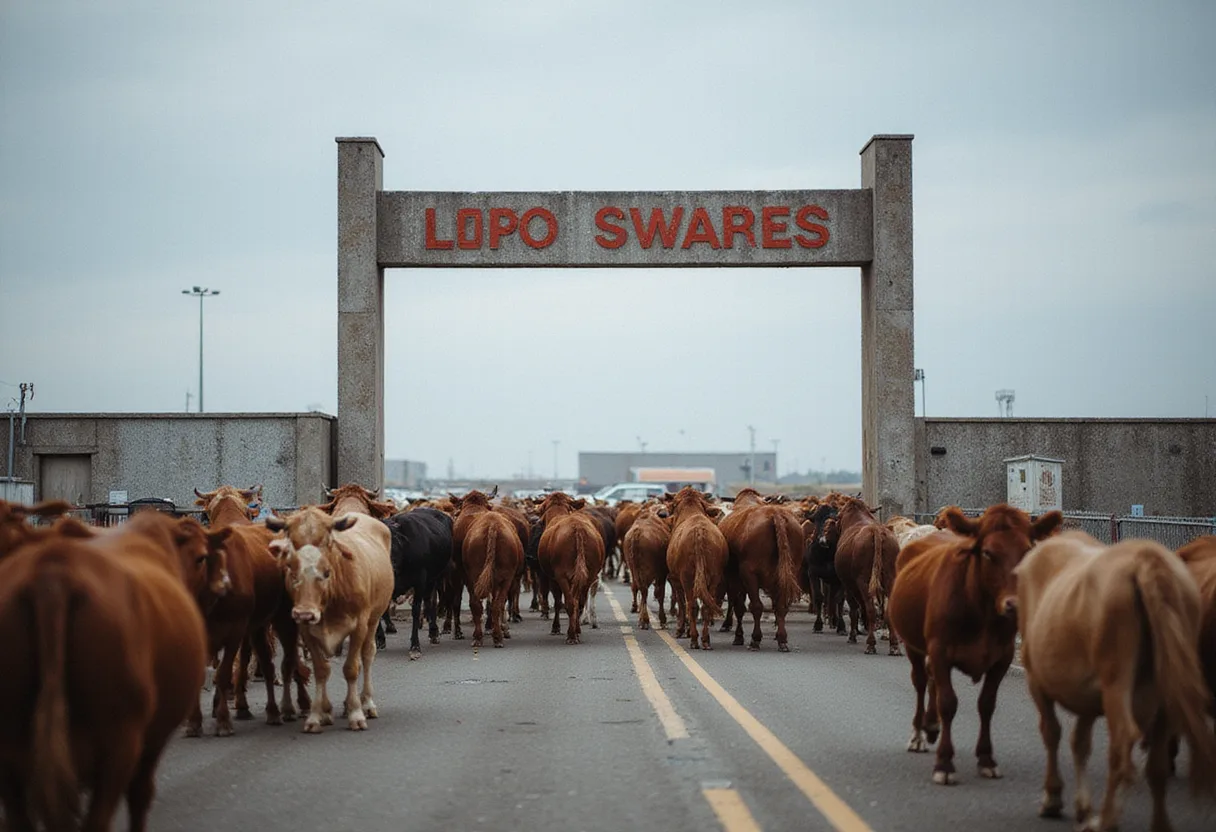
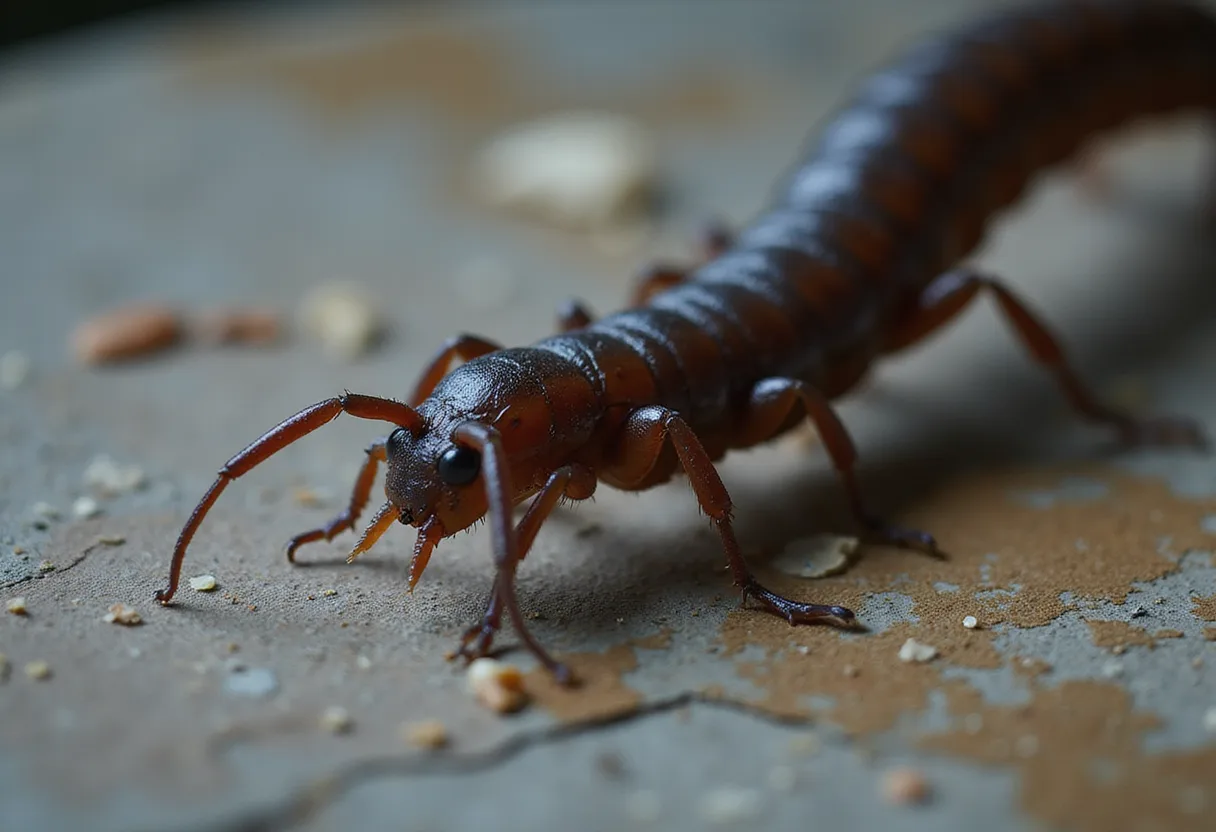
Photo: AI-generated
The New World screwworm has reached New Mexico, according to a report from AgroLatam, as cases across the United States continue to rise and the livestock industry sounds the alarm over the pest's spread.
The report, titled "Screwworm Reaches New Mexico as U.S. Cases Rise, Raising Livestock Industry Alarm," confirms the detection of the parasite in a state that had not previously figured in the current outbreak's map. The development signals continued northward pressure from a pest that feeds on the living tissue of warm-blooded animals and can kill livestock when infestations go untreated.
AgroLatam's headline and framing — "Raising Livestock Industry Alarm" — describe a sector watching the detection count climb and weighing what it means for herds, movement controls, and trade.
What is at stake for producers?
New World screwworm myiasis occurs when screwworm fly larvae infest open wounds in mammals. Cattle are the most economically exposed species, but the pest can strike any warm-blooded animal, including companion animals and, in rare human cases, people themselves.
The arrival of the fly in New Mexico, as reported by AgroLatam, places the outbreak within the continental United States' cattle-producing territory. For producers, the practical concern is immediate: any animal with an untreated wound — from branding, castration, calving, or injury — becomes a potential host. The industry alarm that AgroLatam describes reflects both the animal-health cost and the commercial consequences that follow a screwworm detection, including movement restrictions and surveillance burden.
The publication does not detail case counts by state, the species affected, or the specific diagnostic pathway that confirmed the New Mexico detection, and those figures await official confirmation from the agencies that manage the response.
Why the regional spread matters
AgroLatam frames the New Mexico detection within a broader pattern: U.S. screwworm cases are rising. Each detection in a new state extends the geography that veterinarians, producers, and animal-health authorities must cover with surveillance and wound-checking protocols.
Historically, the United States and Central America coordinated a sterile-insect technique program that drove the screwworm fly out of North America decades ago. The pest's return and its northward progression — now documented by AgroLatam as far as New Mexico — have rebuilt that old frontline inside U.S. territory.
What should veterinarians and producers watch?
The AgroLatam report does not prescribe clinical guidance, but the detection itself dictates the basics for any practice or operation in or near the affected region:
- Examine all wounds on livestock daily, including navels of newborn calves, castration and branding sites, and injuries.
- Treat and cover wounds promptly; open tissue attracts the adult fly.
- Report suspected screwworm myiasis immediately to state or federal animal-health authorities rather than managing it as routine myiasis.
- Screen animals before movement, since transported livestock can carry the parasite into new areas.
Distinguishing screwworm larvae from common blowfly larvae requires examination by trained personnel, so suspicious findings should go to official laboratories rather than be resolved in the chute.
What happens next?
AgroLatam reports the alarm within the livestock industry as cases rise, and the trajectory now depends on the speed of the official response: surveillance around the New Mexico detection, trace-back of affected animals, and any quarantine or movement controls that state and federal authorities impose.
Source: Google News: Livestock health
Nathan Brooks
Show full bio
Senior reporter covering companies, deals and strategy in Small- and large-animal clinical practice at The Vet Scope.
Related articles
New World Screwworm Advances North in Mexico, Texas On Alert
US Reopens Another Port to Mexican Cattle as Screwworm Cases Persist Nearby
New World Screwworm Case in Texas Triggers Movement Restrictions
USDA Confirms New World Screwworm Detection in the United States
New World Screwworm Reaches Northern Mexico, CDC Alert Says