New World Screwworm Reaches Northern Mexico, CDC Alert Says
CDC's Health Alert Network confirms New World screwworm has moved into northern Mexico, the closest the outbreak has come to the US border. Veterinarians in border states hold the earliest detection role.
Updated
The New World screwworm outbreak has moved into northern Mexico, according to a Health Alert Network notice issued by the Centers for Disease Control and Prevention (CDC). The alert marks the latest — and geographically closest — confirmed advance of the parasite toward the United States southern border since the outbreak began spreading northward through Central America.
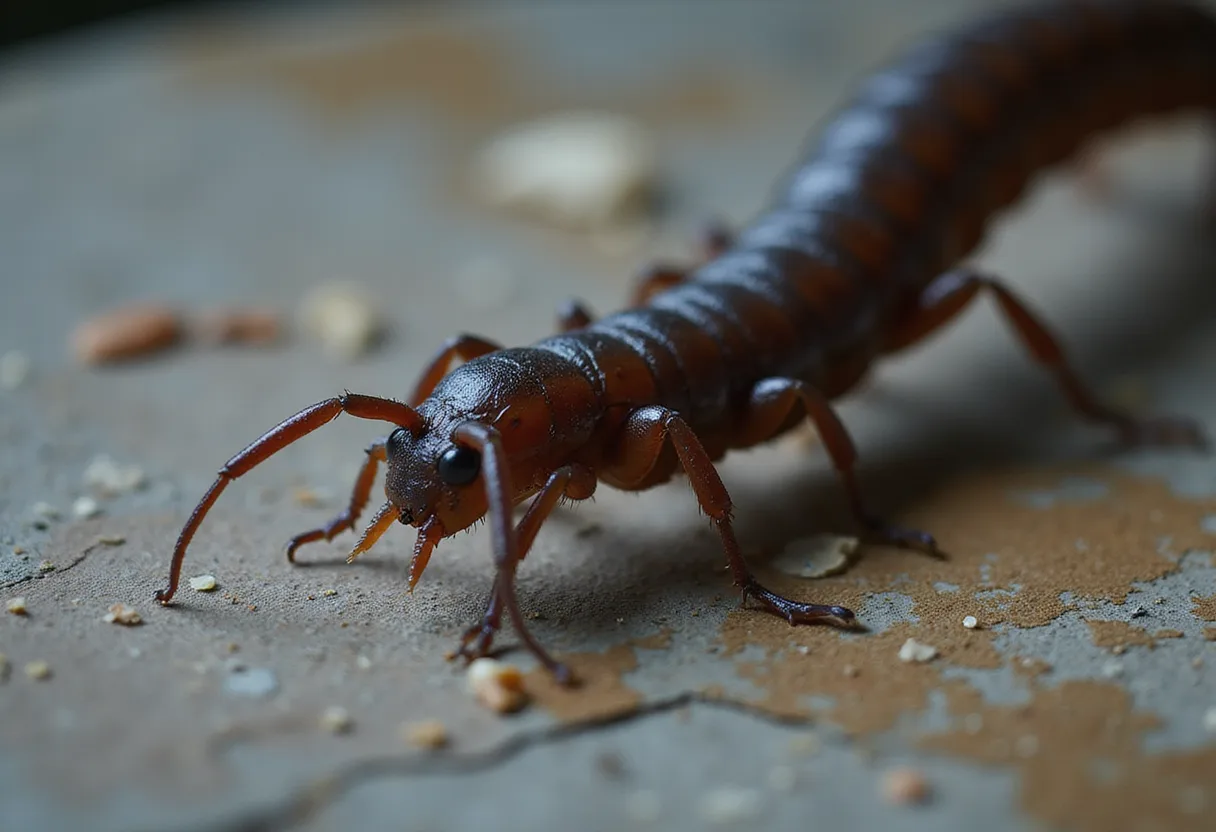
New World screwworm (Cochliomyia hominivorax) is a fly whose larvae infest the living tissue of warm-blooded animals, including livestock, wildlife, pets and, occasionally, humans. The CDC distributes Health Alert Network messages to state and local public health officials, clinicians and veterinarians when an emerging event requires heightened awareness, so the notice itself signals that federal agencies consider the northward movement significant enough to alert front-line medical and veterinary professionals.
Why does location matter for US practitioners?
Northern Mexico sits directly adjacent to the US border. Each confirmed northward movement shortens the distance between the outbreak zone and domestic US livestock operations, and it tightens the timeline for the surveillance and exclusion measures that keep the parasite out of the country.
The United States eradicated New World screwworm decades ago and has relied since on a barrier zone in Panama, where sterile fly release programs run continuously. That biological barrier has been under strain as the outbreak progressed through Central America, and the current CDC alert indicates the parasite is now established well beyond it.
What are the separate implications by sector?
Companion animals. Dogs and cats crossing the border or traveling from affected regions are the most likely route of an imported animal case. Wounds, draining tracts or larvae in a recent-import animal with travel history from Mexico or Central America warrant immediate attention and reporting rather than routine wound care.
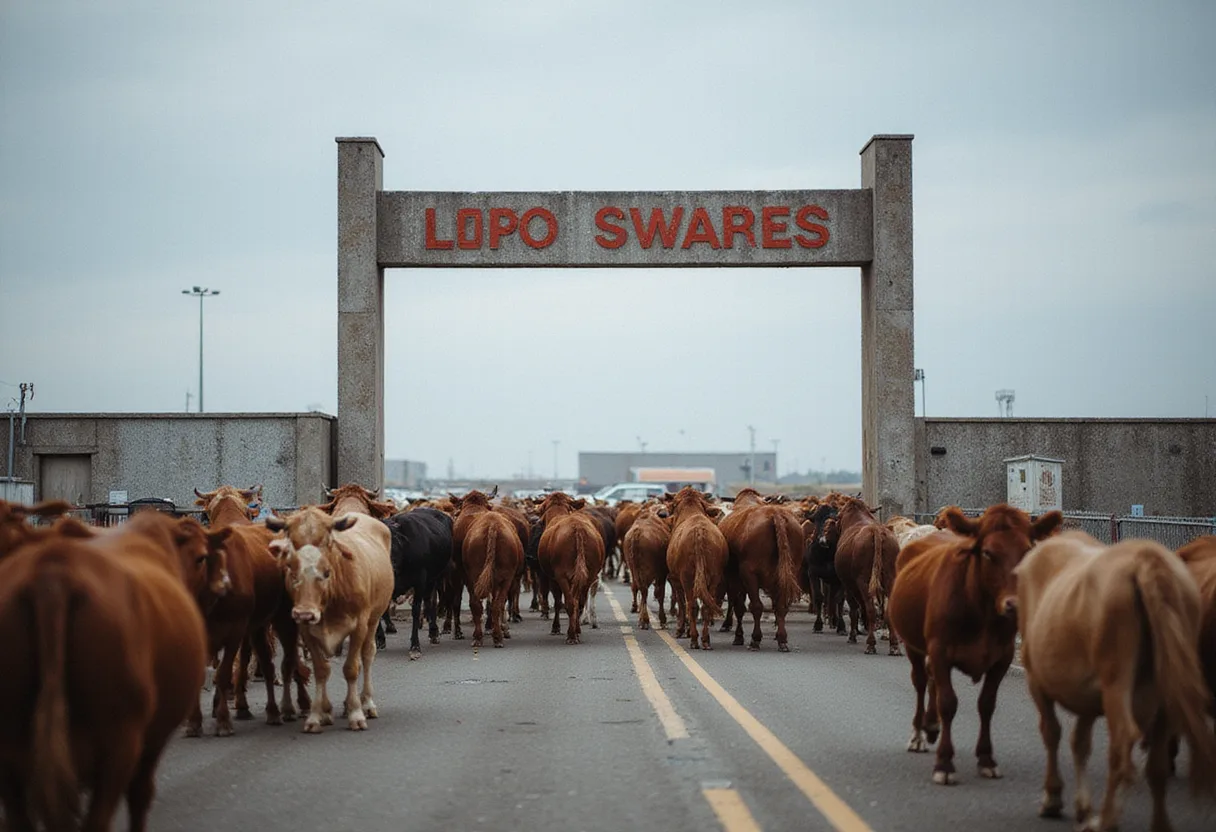
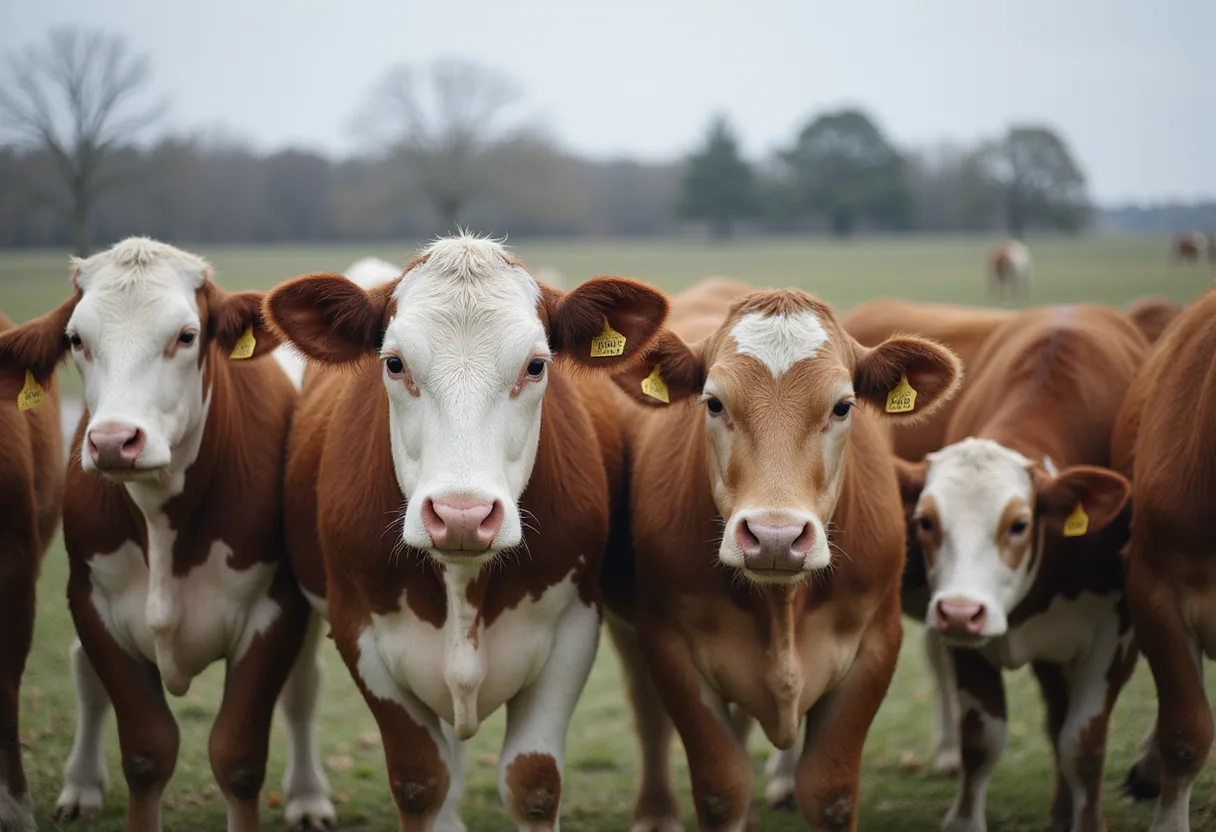
Food animals. Cattle are the classic host species, and an introduction into US herds would carry direct economic consequences for producers through tissue damage, production losses and movement restrictions. Livestock import restrictions from Mexico already reflect the outbreak; practitioners in border states should coordinate with state veterinary authorities on any suspicious findings.
Public health. Human myiasis from C. hominivorax is uncommon but occurs in outbreak zones. The CDC alert is directed in part at human clinicians, which places this event squarely in the One Health domain: animal surveillance is the primary detection tool, and human cases would follow animal establishment.
What should clinicians do now?
The CDC's Health Alert Network messages typically ask clinicians and public health officials to maintain heightened suspicion, obtain travel and exposure histories, and report suspected cases to the appropriate public health and animal health authorities. Veterinarians in border regions and those seeing imported animals hold the earliest detection role, because an animal case would almost certainly precede any human case on US soil.
Diagnosis rests on finding larvae in a wound and submitting them for identification, since New World screwworm larvae differ from common wound myiasis species in ways that require laboratory confirmation. State veterinary diagnostic laboratories coordinate with USDA on suspect submissions.
What comes next?
The CDC alert does not by itself change import policy — that authority rests with USDA APHIS for livestock and CDC Division of Global Migration Health for animals crossing with travelers — but it escalates the federal awareness level as the outbreak approaches the border. The trajectory confirmed in this notice will determine whether US sterile-fly release capacity, currently centered in Panama, needs to shift northward in the coming months.
Source: Google News: Livestock health
Amara Osei
Show full bio
Correspondent covering companies, deals and strategy in Small- and large-animal clinical practice at The Vet Scope.
Related articles
US Reopens Another Port to Mexican Cattle as Screwworm Cases Persist Nearby
Mexico Reports Coordinated Screwworm Action in Chihuahua, Sonora
New World Screwworm Advances North in Mexico, Texas On Alert
New Screwworm Cases Reach New Mexico as U.S. Detections Rise
FFAR Backs Research Into New World Screwworm Vaccine