FFAR Backs Research Into New World Screwworm Vaccine
The Foundation for Food and Agriculture Research is funding development of a New World screwworm vaccine, Morning Ag Clips reports, reviving prevention work against a parasite the U.S. eradicated in 1966.
Updated
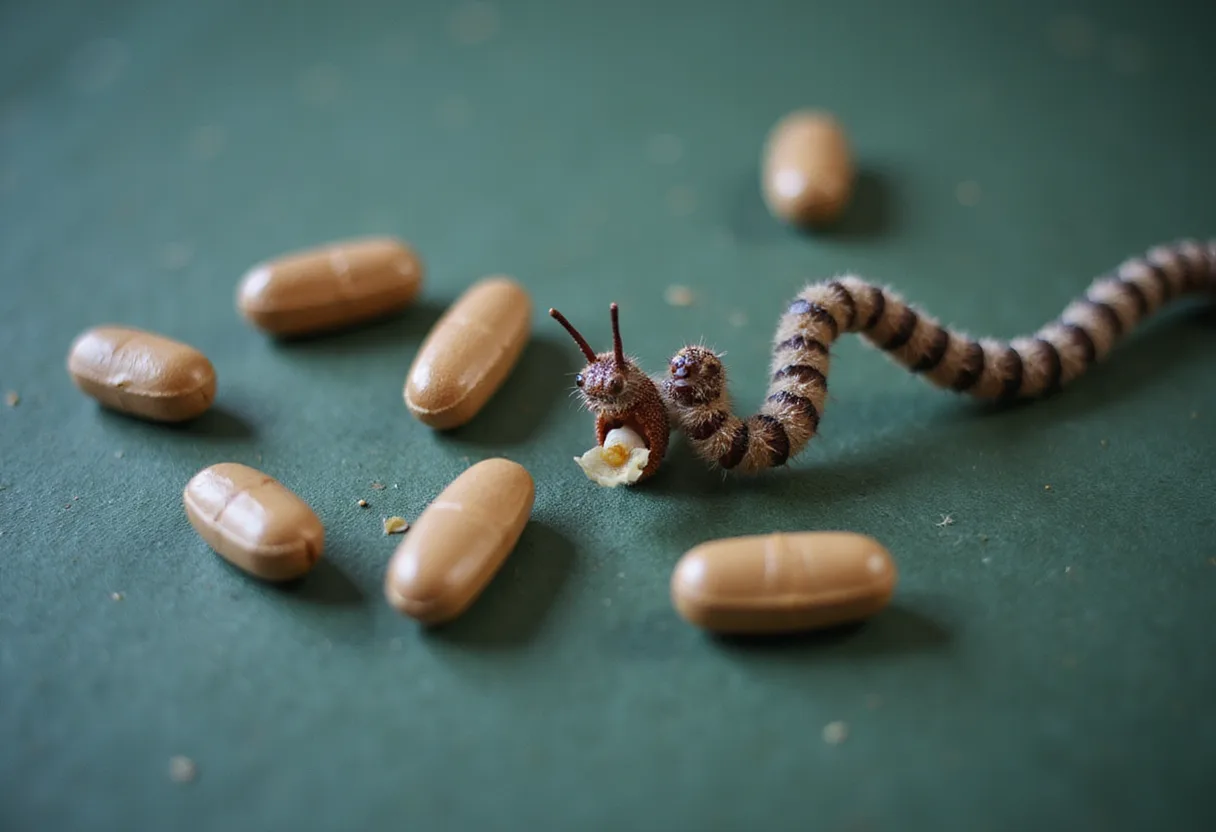
Photo: AI-generated
The Foundation for Food and Agriculture Research has launched a research effort aimed at developing a vaccine against New World screwworm, according to a Morning Ag Clips report. The headline announcement signals renewed American interest in a parasite that cost the U.S. livestock sector roughly $200 million a year before its eradication more than a half century ago.
What is the project aiming to deliver?
FFAR's stated target is a vaccine, not a treatment. The distinction matters: existing control tools for Cochliomyia hominivorax rely on the sterile insect technique (SIT), in which radiation-sterilized male flies are released in overwhelming numbers to mate with wild females and collapse local populations. A vaccine would instead give individual livestock the ability to resist larvae, putting protection inside the animal instead of in the air above it.
Why screwworms now?
New World screwworm remains endemic across South America and the Caribbean. The U.S. Department of Agriculture confirmed a human case in Maryland in August 2025 tied to travel from El Salvador, and Panama's Panama-Colón region detected larvae in livestock in 2023 after decades of absence. Each reappearance tightens trade protocols with Mexico and Central America, where cattle movements run heavy through ports of entry the USDA monitors daily.
What do we know, and what is missing from the source?
The Morning Ag Clips headline identifies FFAR as the funder and names a vaccine as the objective. The clipped report does not state:
- the award amount,
- the principal investigator or grantee institution,
- the antigen or platform under study,
- the planned timeline to field efficacy data,
- which agency, FDA CVM or USDA APHIS, would regulate any resulting product.
Absent those figures, any claim about study duration, trial size or regulatory pathway would go beyond the source. The Vet Scope will update this report when the full FFAR announcement, principal investigator comments and budget details are made public.
How a screwworm vaccine would fit into existing control
SIT has held the U.S. screwworm barrier since the 1960s, maintained through a Tuxtla Gutiérrez, Mexico factory that currently produces more than 100 million sterile flies per week. A vaccine would not replace that program. It would add a second layer, useful in outbreak zones where fly release cannot be deployed fast enough or where transboundary reinfestation pressures are constant. Producers watching the southern border, particularly in Texas, Arizona and Florida, are the immediate audience.
What to watch next
The next concrete milestones to look for are an FFAR press release naming the grantee, a USDA APHIS commentary on how any vaccine links to the SIT program, and FDA CVM guidance on the regulatory pathway for parasite vaccines in food animals. Any of those three documents would convert today's headline into a trackable schedule. Until they appear, the project sits at the funding-commitment stage, with the science still to be detailed.
Source: Google News: Livestock health
Grace Kim
Show full bio
Staff writer covering regulation, policy and their impact on Small- and large-animal clinical practice at The Vet Scope.