USDA Confirms New World Screwworm Detection in the United States
USDA APHIS has confirmed New World screwworm in the United States, returning the parasite to the list of federally notifiable diagnoses practitioners must now actively rule out.
Updated
The USDA has confirmed the presence of New World screwworm in the United States, according to an announcement published by the Animal and Plant Health Inspection Service (APHIS) on aphis.usda.gov.
The confirmation ends the parasite's decades-long absence from US soil as an established detection and returns a fly-borne livestock pest to the list of federally notifiable animal health events. For veterinary practitioners, the announcement converts screwworm from a travel-history question into a differential diagnosis that belongs on the exam table now.
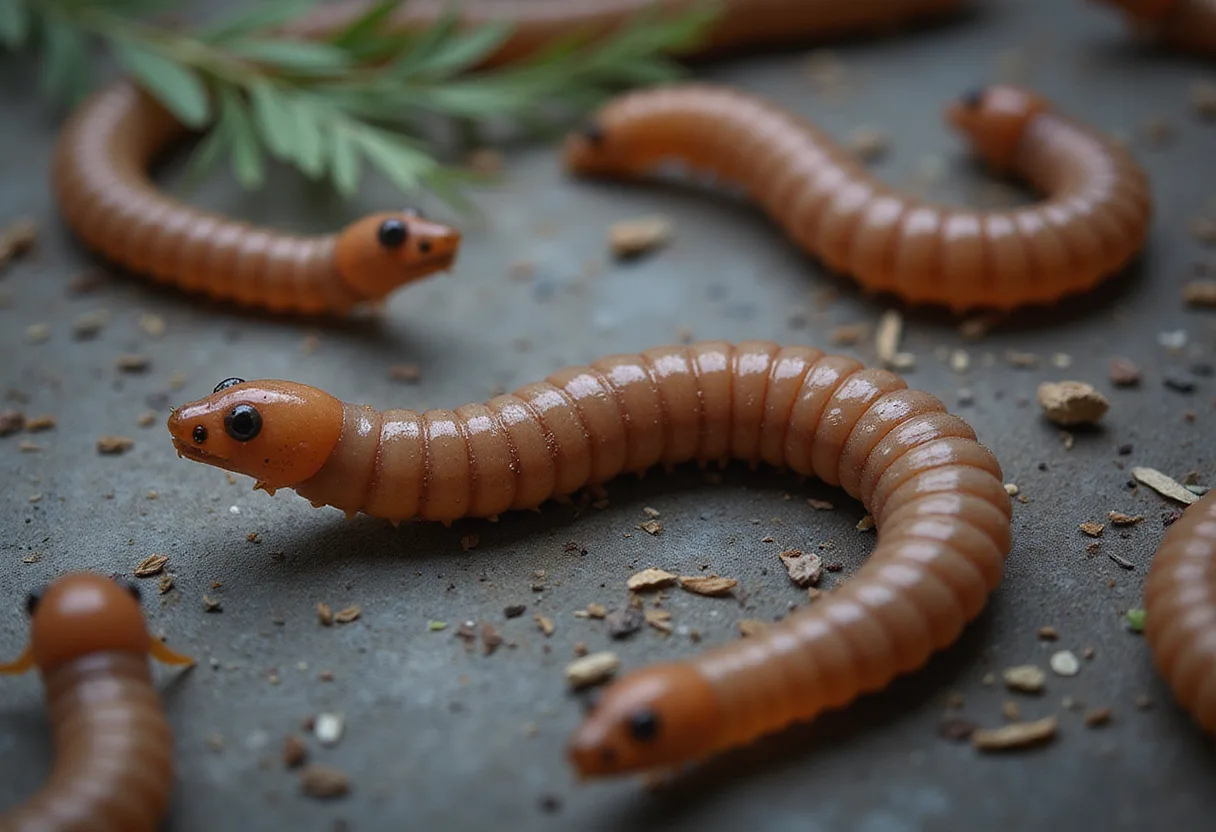
New World screwworm is the larval stage of the fly Cochliomyia hominivorax. Its larvae feed on the living tissue of warm-blooded animals, infesting wounds, navels of newborns, and mucosal surfaces. Cattle, sheep, goats, horses, swine, and dogs are all susceptible, and human cases occur. The pest was eradicated from the United States through the sterile insect technique, a program that released irradiated, infertile flies to collapse wild populations.
The confirmation has not eliminated that historical framework — it has reactivated it. APHIS is the lead federal agency for screwworm response, and its announcement positions the detection within existing regulatory authority for surveillance, quarantine, and movement controls.
What changes for practitioners?
The immediate clinical obligation is wound inspection. Screwworm myiasis presents as larvae in open wounds that do not heal as expected, often with foul odor and visible larval masses. Any suspicious case in livestock or companion animals should be reported to state animal health officials and to APHIS, because the parasite is federally notifiable.
The companion-animal implication differs from the food-animal one. Dogs and horses travel with owners and can carry larvae across state lines in untreated wounds. Food animals carry the larger economic exposure: infestations in cattle herds drive production losses, treatment costs, and potential movement restrictions that hit herd-level budgets directly.
The public-health dimension is explicit rather than incidental. Because humans are susceptible hosts, the confirmation places screwworm alongside zoonotic myiasis risks that clinicians and public-health authorities must track together.
What is the regulatory status?
The detection and its response sit with USDA APHIS, the agency that confirmed the finding. The announcement establishes the federal frame for what follows: surveillance, identification of the affected animals and location, and determination of quarantine or movement measures under APHIS authority.
Practitioners should treat the APHIS announcement as the controlling document for case definitions, reporting pathways, and any eventual treatment or movement protocols. Drug and pesticide specifics for larval removal and wound management will follow agency guidance rather than precede it.
What comes next?
The confirmation's practical weight depends on the scope APHIS defines — how many animals, which states, and what quarantine boundaries. Veterinarians in affected regions should expect heightened surveillance requests and should inspect every non-healing wound with screwworm on the differential list.
The APHIS announcement signals that the sterile-fly eradication architecture built decades ago now faces its first confirmed domestic test in generations, and the agency's next updates will define how large that test becomes.
Source: Google News: Animal health industry
Amara Osei
Show full bio
Correspondent covering companies, deals and strategy in Small- and large-animal clinical practice at The Vet Scope.