USDA Confirms Two More New World Screwworm Cases
USDA confirms two additional New World screwworm cases, extending surveillance zones and wound-inspection duties for livestock and companion-animal veterinarians.
Updated
Photo: AI-generated
The USDA has confirmed two additional cases of New World screwworm, according to a report from Brownfield Ag News. The confirmation adds to the detections that have kept the parasite on the radar of cattle producers and regulatory veterinarians across the United States.
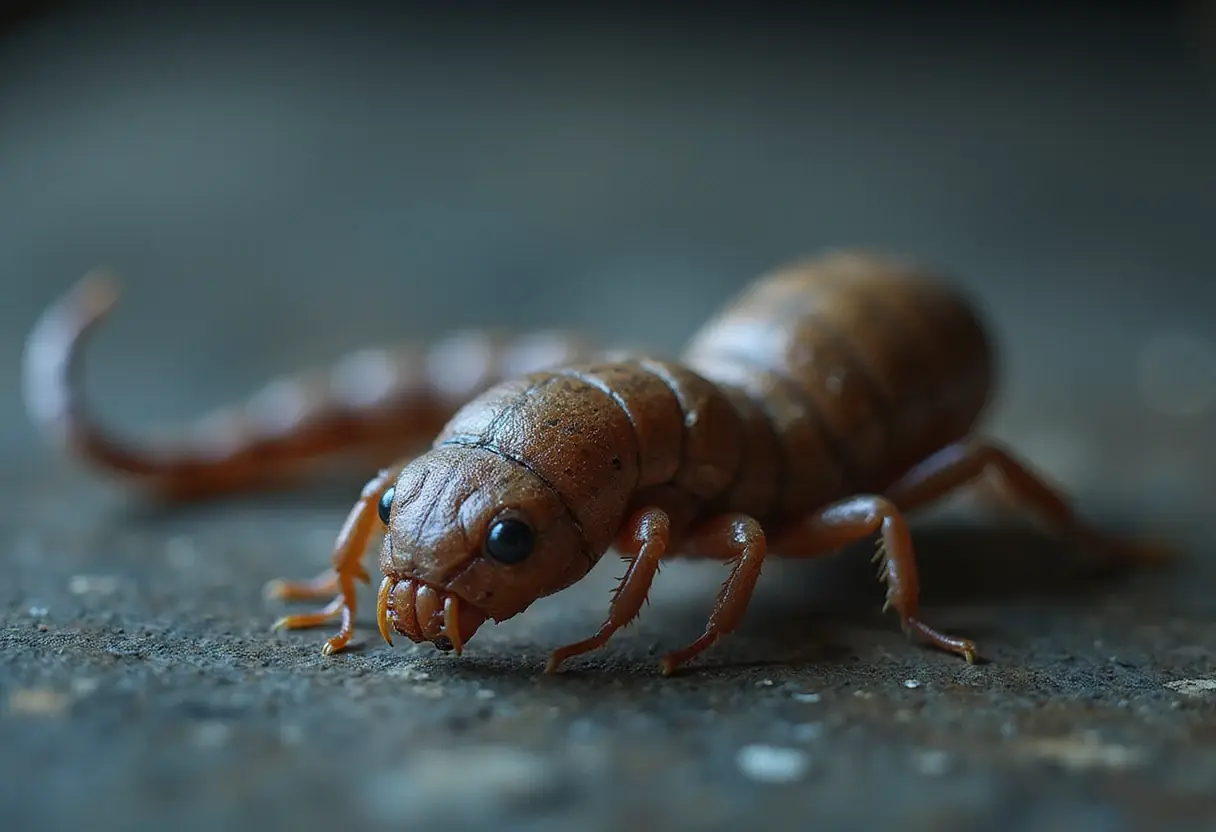
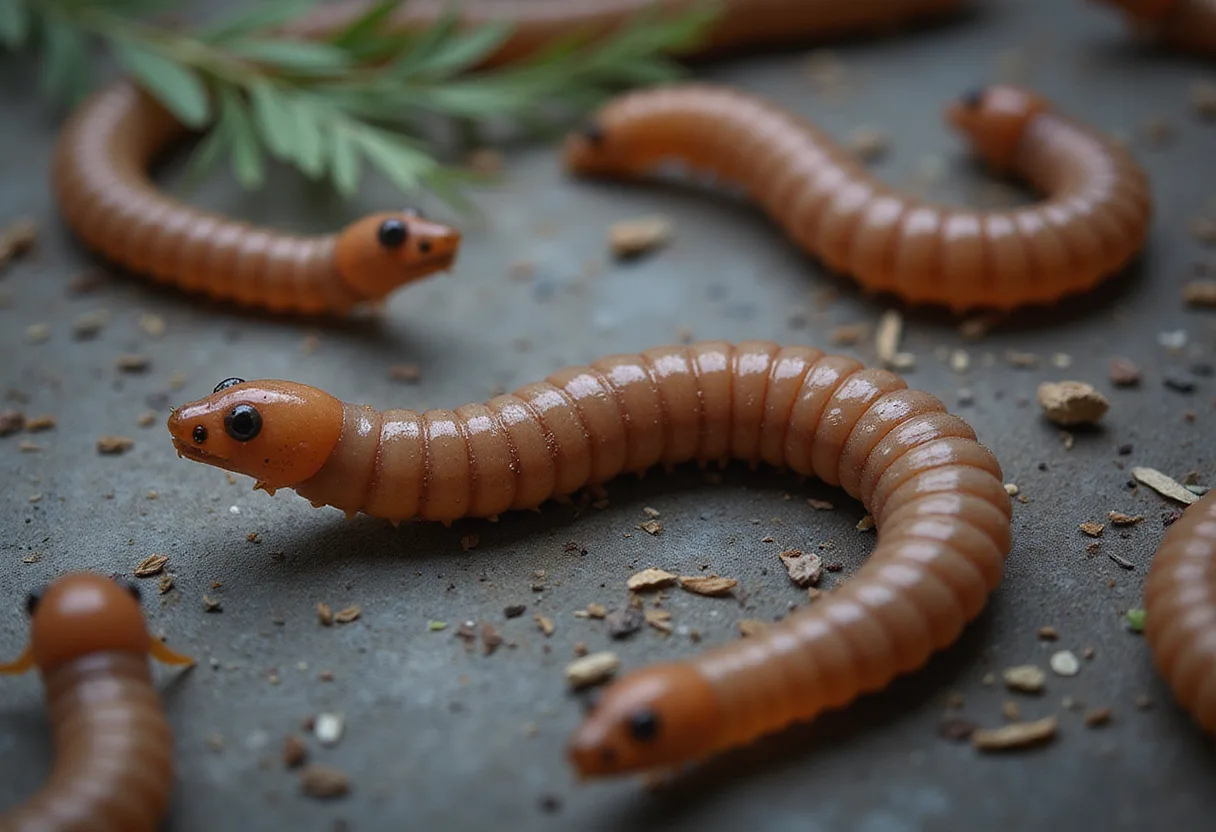
New World screwworm is the larva of the fly Cochliomyia hominivorax. It feeds on the living tissue of warm-blooded animals, and it infests wounds of any species, including livestock, companion animals and humans. A single confirmed case triggers regulatory response because the fly spreads fast and the economic damage lands directly on livestock operations.
What does each confirmation trigger?
A USDA confirmation is not a passive laboratory finding. It activates the cooperative eradication framework the agency runs with state animal health authorities. The practical steps practitioners and producers should expect include:
- Movement controls and surveillance in the area around the detection site
- Inspection of animals with wounds at markets and on premises
- Reporting obligations for veterinarians who suspect larvae in wounds
For practitioners in affected regions, the exam-table implication is direct. Any animal presenting with a draining or foul-smelling wound warrants a close look for screwworm larvae, and suspect findings go to regulatory channels rather than routine casework.
Why the species matters for all three audiences
The parasite does not respect category boundaries, and the implications separate cleanly.
Food-animal practice. Cattle carry the largest economic exposure. Infestations reduce weight gain, damage hides and can kill young animals. Producers in southern states already operating under heightened awareness should treat every open wound, including branding sites and castration wounds, as a potential entry point.
Companion-animal practice. Dogs and horses with untreated wounds can harbor the larvae. Veterinarians in detection zones should examine wounds thoroughly and communicate the reporting pathway before routine debridement.
Public health. Humans are susceptible hosts. The zoonotic potential means clinic staff handling suspect wounds need protective measures, and public-health notification runs parallel to the veterinary response.
What changes at the practice level
Each new confirmation extends the surveillance perimeter and keeps movement restrictions live. Veterinarians who serve livestock clients in the affected corridors should confirm current zone boundaries with their state animal health official before certifying movement, because those boundaries shift with each detection.
The detections also keep the sterile fly technique relevant. That method, which releases sterilized male flies to collapse the wild population, remains the regulatory tool of record for eradication once the fly is established in a region.
The takeaway
Two more confirmed cases mean the response continues, not expands into panic. Practitioners should verify current USDA and state guidance, inspect wounds with the parasite in mind, and report suspects immediately; the next detection window depends on the speed of that first phone call.
Source: Google News: Livestock health
Elena Vasquez
Show full bio
Market editor covering money, funding and market shifts around Small- and large-animal clinical practice at The Vet Scope.
Related articles
USDA Confirms New World Screwworm Detection in the United States
USDA APHIS Calls for Reports of Suspected Screwworm Cases
Texas State faculty Q&A breaks down South Texas screwworm detection
Texas Confirms Additional New World Screwworm Cases in Livestock
Indiana BOAH Tightens Animal Movement Over Screwworm Risk