Johns Hopkins Publishes Explainer on New World Screwworm Threat
Johns Hopkins' public health desk has published an explainer on New World screwworm as the parasite's northward advance puts veterinarians on alert.
Updated
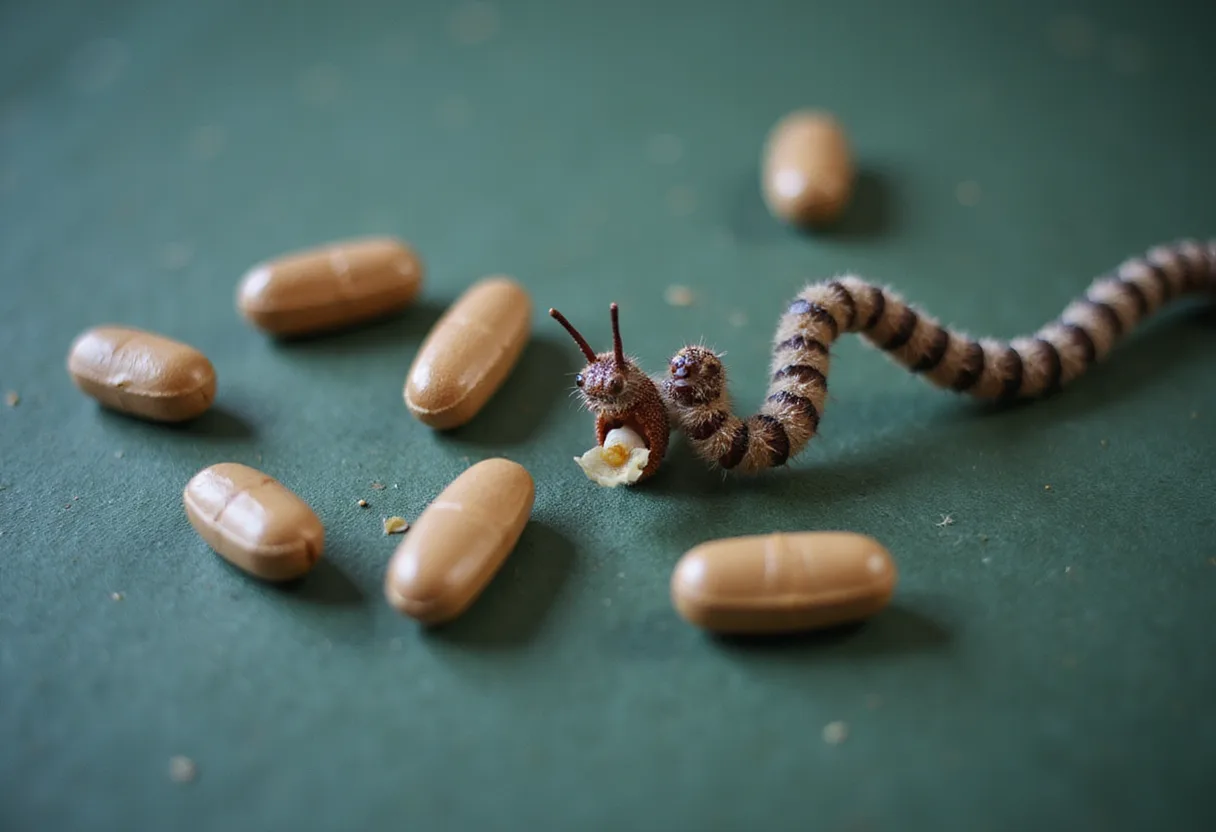
Photo: AI-generated
Johns Hopkins University's public health news outlet has published a new explainer, "What to Know About New World Screwworm," aimed at readers tracking the parasite's northward advance in the Americas.
The article arrives as veterinary and regulatory attention on New World screwworm (Cochliomyia hominivorax) intensifies. The fly's larvae infest the wounds of warm-blooded animals — including cattle, horses, sheep, dogs and humans — feeding on living tissue, which distinguishes screwworm myiasis from other maggot infestations and makes early recognition a clinical priority.
Why is screwworm back in the news?
The parasite had been eliminated from the United States decades ago through the sterile insect technique, in which irradiated male flies are released to collapse the wild population. That eradication framework, coordinated across North and Central America, kept the fly out of the U.S. for generations.
The current concern follows the fly's re-establishment in parts of Central America, breaking a barrier that had held since eradication. Johns Hopkins' public health desk published the explainer to give clinicians, producers and the general public a single reference on the biology, the surveillance picture and the practical steps for recognizing and reporting suspected cases.
What should practitioners watch for at the exam table?
The clinical signal is myiasis involving living tissue rather than necrotic tissue. Wounds that fail to heal, that show deep, pocketed larval activity, or that re-infest after cleaning in livestock, horses or companion animals warrant suspicion in regions where the fly is active or in animals with travel history from those regions.
Because screwworm myiasis is a reportable disease, suspected cases go to state and federal animal health authorities. The U.S. response architecture sits with the USDA, which manages surveillance at the southern border and coordinates sterile-fly releases with Mexico and Central American partners when the barrier zone is threatened.
How do companion-animal, food-animal and public-health interests diverge?
The three constituencies carry different stakes. For cattle operations, an incursion would mean wound management at herd scale, movement restrictions and treatment costs — the historical reason the eradication program was built. For companion animals, dogs and cats traveling from endemic regions present the most realistic entry route into U.S. veterinary exam rooms. For public health, humans are susceptible hosts, which is why a university school of public health rather than a purely agricultural outlet is briefing its audience.
What is the mechanism keeping the parasite at bay?
The sterile insect technique remains the control cornerstone. Mass-reared pupae are irradiated, released as adult males, and mate without producing offspring, driving the wild population toward collapse. That biological approach, rather than chemical control, is what historically cleared screwworm from North America, and it is the tool regulators deploy when the fly pushes northward.
The Johns Hopkins explainer adds to a growing body of guidance this year from academic and government sources as the parasite's range edges closer to the U.S. border. Veterinarians in border states and those seeing imported animals will likely find the piece a useful client-education handout as surveillance continues.
Source: Google News: Livestock health
Amara Osei
Show full bio
Correspondent covering companies, deals and strategy in Small- and large-animal clinical practice at The Vet Scope.
Related articles
FDA widens screwworm drug list, adding generic pet options
USDA Confirms New World Screwworm Detection in the United States
Texas Confirms Additional New World Screwworm Cases in Livestock
USDA APHIS Calls for Reports of Suspected Screwworm Cases
Indiana BOAH Tightens Animal Movement Over Screwworm Risk