US Reopens Another Port to Mexican Cattle as Screwworm Cases Persist Nearby
A US port has reopened to Mexican cattle imports while New World screwworm cases persist near the border, keeping detection duties high for food-animal practitioners.
Updated
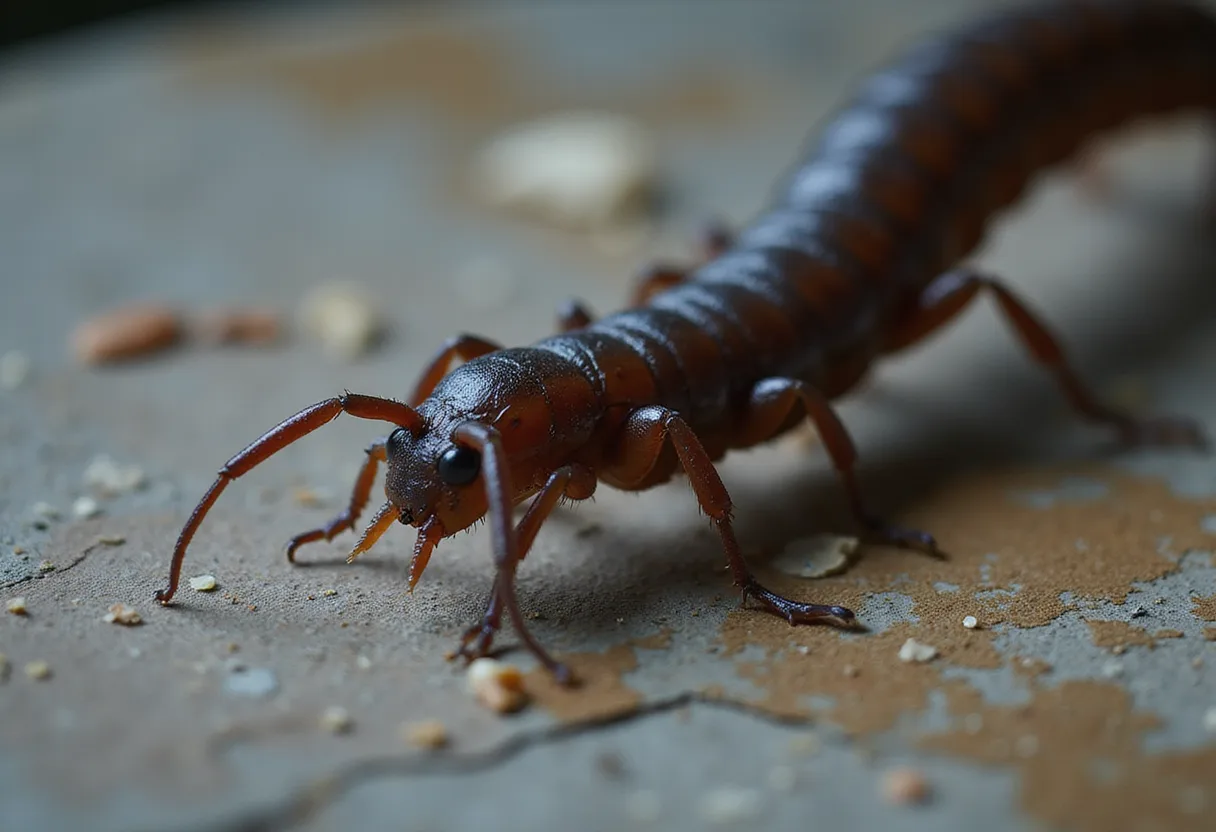
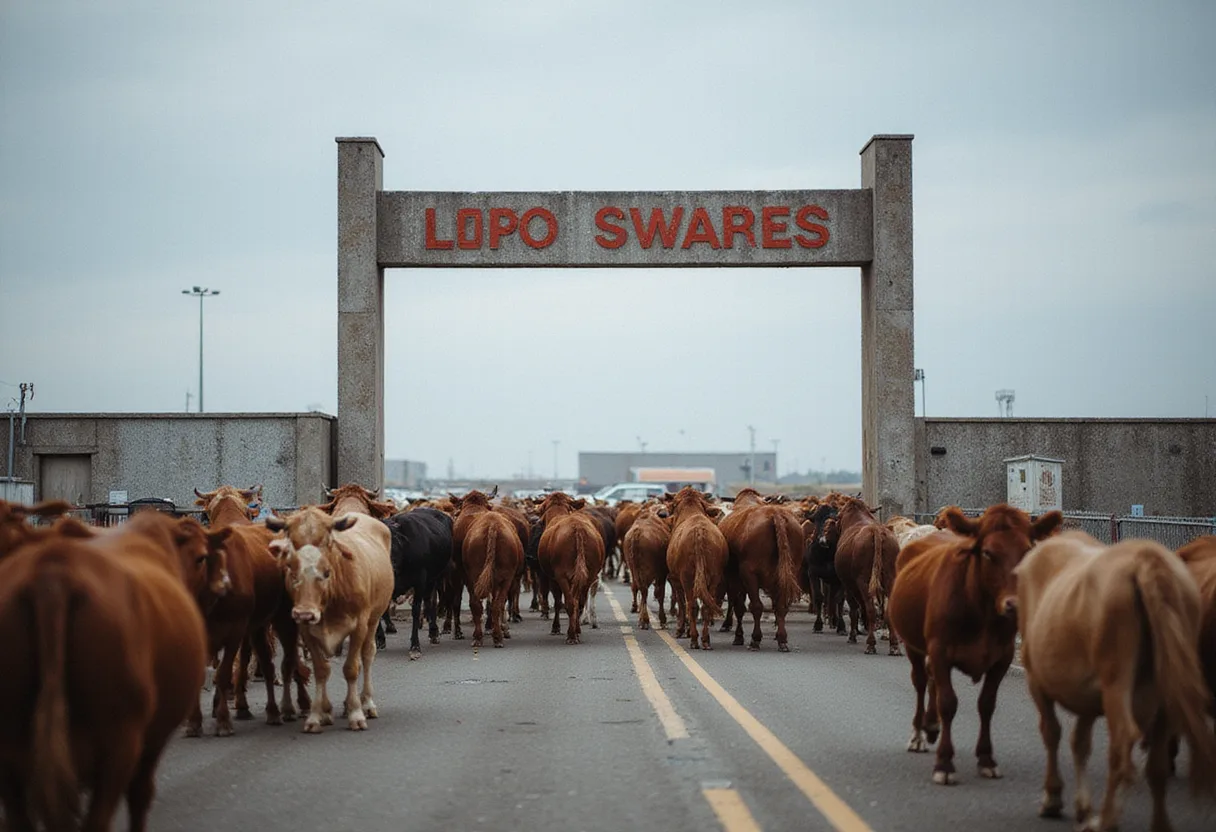
Photo: AI-generated
Another United States port of entry has reopened to cattle imports from Mexico, even as New World screwworm (NWS) cases continue to be reported in the region near the border, according to the American Veterinary Medical Association (AVMA).
The reopening marks the latest adjustment in what has become a rolling process of restriction and partial resumption at the southern border since New World screwworm re-emerged in Mexico. US veterinary authorities have spent months calibrating cattle movement from Mexico against the risk posed by the parasite, closing some crossings entirely while allowing others to operate under tightened inspection protocols.
For practicing veterinarians, the development matters on two fronts. In food-animal practice, reopened ports mean renewed cattle flow northward — and with it, a continued need for vigilance at the level of the individual animal. New World screwworm infestation presents as myiasis: fly larvae invade open wounds, including castration sites, dehorning wounds, branding injuries, navels of newborn calves, and even tick bites. Producers receiving Mexican-origin cattle, and the veterinarians servicing those operations, remain the first line of detection.
The public-health and regulatory dimension is equally concrete. New World screwworm, Cochliomyia hominivorax, infests warm-blooded animals, and human cases occur, which places the parasite on the radar of both animal-health and public-health authorities. The United States eradicated the fly decades ago, and keeping it out depends on border biosecurity, surveillance, and rapid reporting of suspected cases. Any veterinarian who suspects screwworm myiasis faces a reportable-disease situation, and early identification protects not only the affected herd but the country's screwworm-free status.
The phrase "amid NWS cases nearby" in the AVMA's reporting carries practical weight. The parasite is not a distant problem confined to Central America; active detections in northern Mexico place infested or exposed animals within reach of US import channels. That geographic reality is precisely why port-by-port decisions — rather than a single blanket policy — have characterized the US response. Authorities appear to be weighing the demonstrated health status of cattle at specific crossings against the distribution of confirmed cases in surrounding areas.
For veterinary practices in border states and in states that receive Mexican feeder cattle, the operational implications are direct. Reopened ports translate into animals in the pipeline that may have originated in or transited regions with known screwworm activity. That argues for wound checks on arrival, careful examination of any animal with draining or enlarging lesions, and low thresholds for submission of larvae for identification when myiasis is suspected. Distinguishing screwworm from common wound myiasis caused by non-screwworm flies is not always possible in the field, and laboratory confirmation remains the deciding step.
The pattern also holds a commercial lesson. Each closure and reopening at the border moves market signals through the cattle industry, affecting import volumes, feeding placements, and the timing of shipments that producers and their veterinarians have planned around. Practices serving feedyards and stocker operations in affected regions should expect continued fluidity in import volumes as long as cases persist south of the border.
The AVMA's report does not indicate that the reopened port represents a return to pre-outbreak normalcy. Cases near the border remain part of the calculus, and the situation at any given crossing can change with new detections. Veterinarians on both sides of the supply chain — those certifying animals for export and those receiving them — will want to track further port-level announcements as US and Mexican authorities continue responding to the geographic spread of the parasite.
Source: Google News: Veterinary medicine
Nathan Brooks
Show full bio
Senior reporter covering companies, deals and strategy in Small- and large-animal clinical practice at The Vet Scope.
Related articles
Sonora Screwworm Finding Puts Arizona Cattle Port Reopening on Watch
New Screwworm Cases Reach New Mexico as U.S. Detections Rise
New World Screwworm Reaches Northern Mexico, CDC Alert Says
New World Screwworm Advances North in Mexico, Texas On Alert
Mexico Reports Coordinated Screwworm Action in Chihuahua, Sonora