New Bolton Center Breaks Ground on $94M Diagnostic Lab
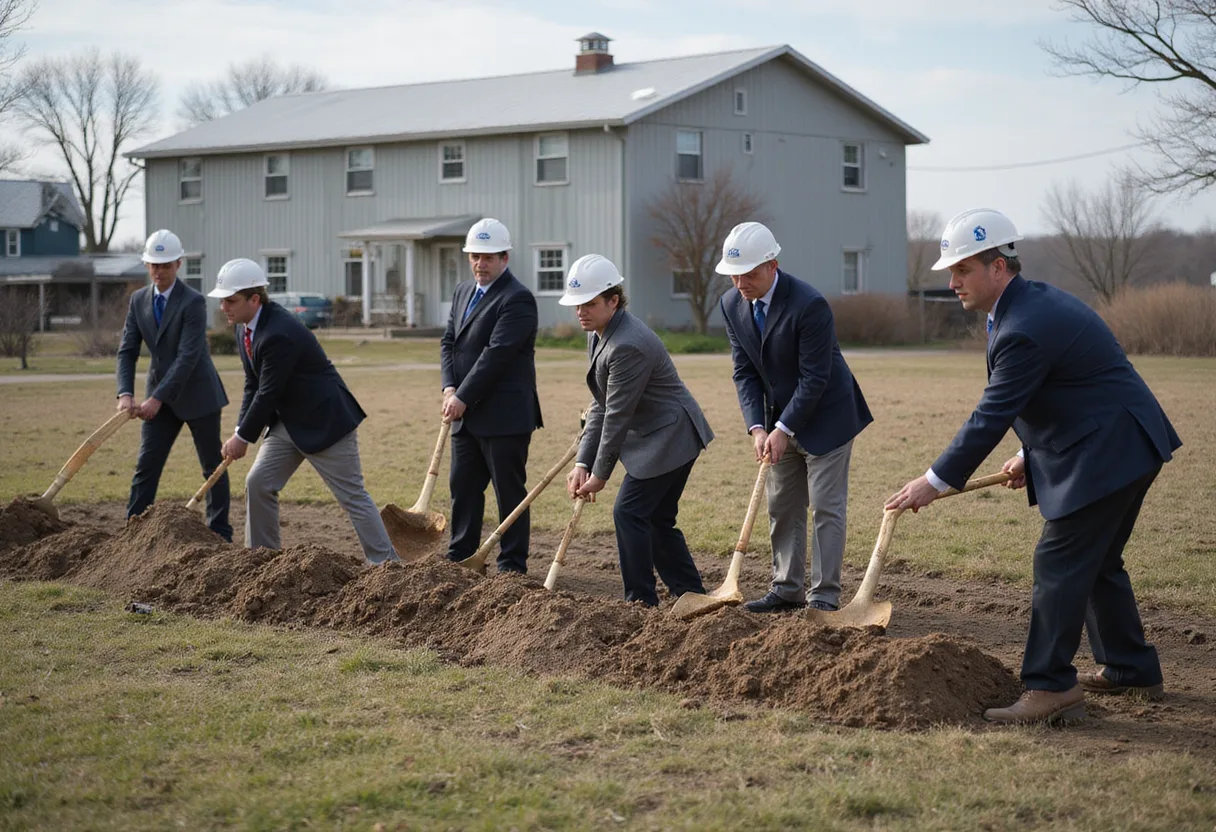
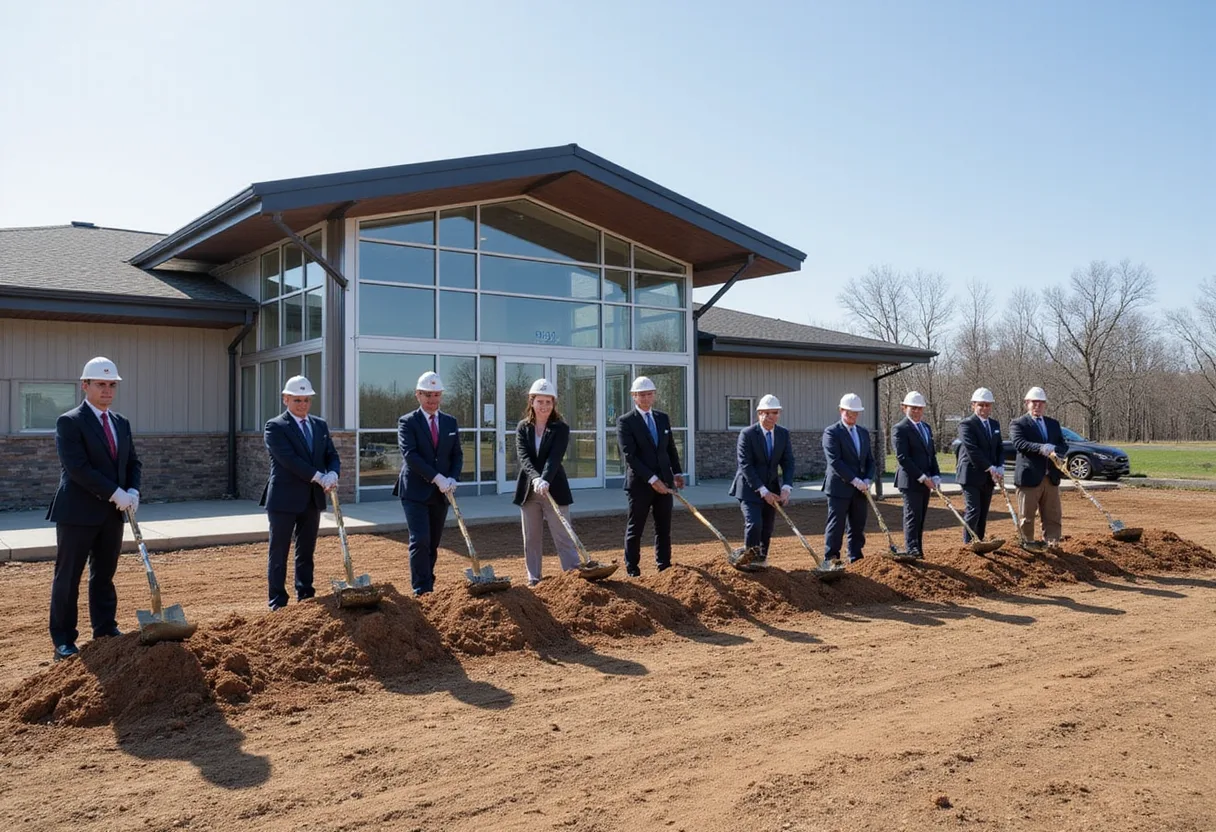
New Bolton Center has broken ground on a $94 million veterinary diagnostic laboratory, expanding diagnostic capacity for the mid-Atlantic equine and food-animal sectors.
Updated
The University of Pennsylvania's New Bolton Center has broken ground on a $94 million veterinary diagnostic laboratory, a capital investment that will reshape diagnostic capacity at one of the country's leading large-animal veterinary campuses.
The project, reported by VISTA.Today, centers on a purpose-built diagnostic facility at the Kennett Square, Pennsylvania campus. For practitioners in the dense equine and dairy corridors of the mid-Atlantic, the arrival of a modern diagnostic laboratory at New Bolton signals shorter turnaround times and expanded testing menus closer to home — the kind of infrastructure shift that changes case management decisions at the barn and the farm.
Diagnostic infrastructure matters at the exam table in ways that are easy to underestimate. Speed of confirmation drives isolation decisions, treatment timing, and outbreak response. A large-animal practice that currently ships samples to distant laboratories — losing a day or more in transit — can act faster when a full-service diagnostic lab sits within the same region. That is particularly consequential for reportable diseases, where every hour between suspicion and confirmation affects herd quarantine, movement restrictions, and notification obligations to state animal health authorities.
The $94 million figure itself anchors the story. Investment on that scale reflects sustained institutional commitment to food-animal and equine medicine, disciplines that have faced facility headwinds elsewhere. New Bolton Center, the large-animal campus of Penn's School of Veterinary Medicine, has long served the region's horse industry and agricultural sector; the new laboratory consolidates and expands the diagnostic backbone supporting that mission.
For the equine sector, the implications run from routine infectious disease screening to the specialized testing that supports racing and sport-horse regulation. For food-animal practitioners, a strengthened regional diagnostic capacity aligns with herd-health surveillance and pre-movement testing demands. And for public health, veterinary diagnostic laboratories form part of the early-warning network for zoonotic and emerging disease — a function whose value was underscored during recent outbreaks that crossed the animal-human divide.
Details on the laboratory's exact scope of testing services, staffing plans, and the expected construction timeline were not specified in the announcement as reported.
Groundbreaking marks the transition from planning to construction. As the facility takes shape over the coming construction period, regional practitioners will be watching for the opening date — and for what the new lab's test menu will mean for how quickly they can turn a suspicion into a diagnosis.
Source: Google News: Veterinary medicine
Amara Osei
Show full bio
Correspondent covering companies, deals and strategy in Small- and large-animal clinical practice at The Vet Scope.
Related articles
Penn State Breaks Ground on $65 Million Animal Diagnostic Lab
New Bolton Center Breaks Ground on $94M Diagnostic Laboratory
K-State Breaks Ground on $128 Million Veterinary Diagnostic Lab
Penn State and Pennsylvania Agriculture Break Ground on Diagnostic Lab Expansion
Penn Vet Breaks Ground on State-Funded Diagnostic Laboratory