Penn State and Pennsylvania Agriculture Break Ground on Diagnostic Lab Expansion
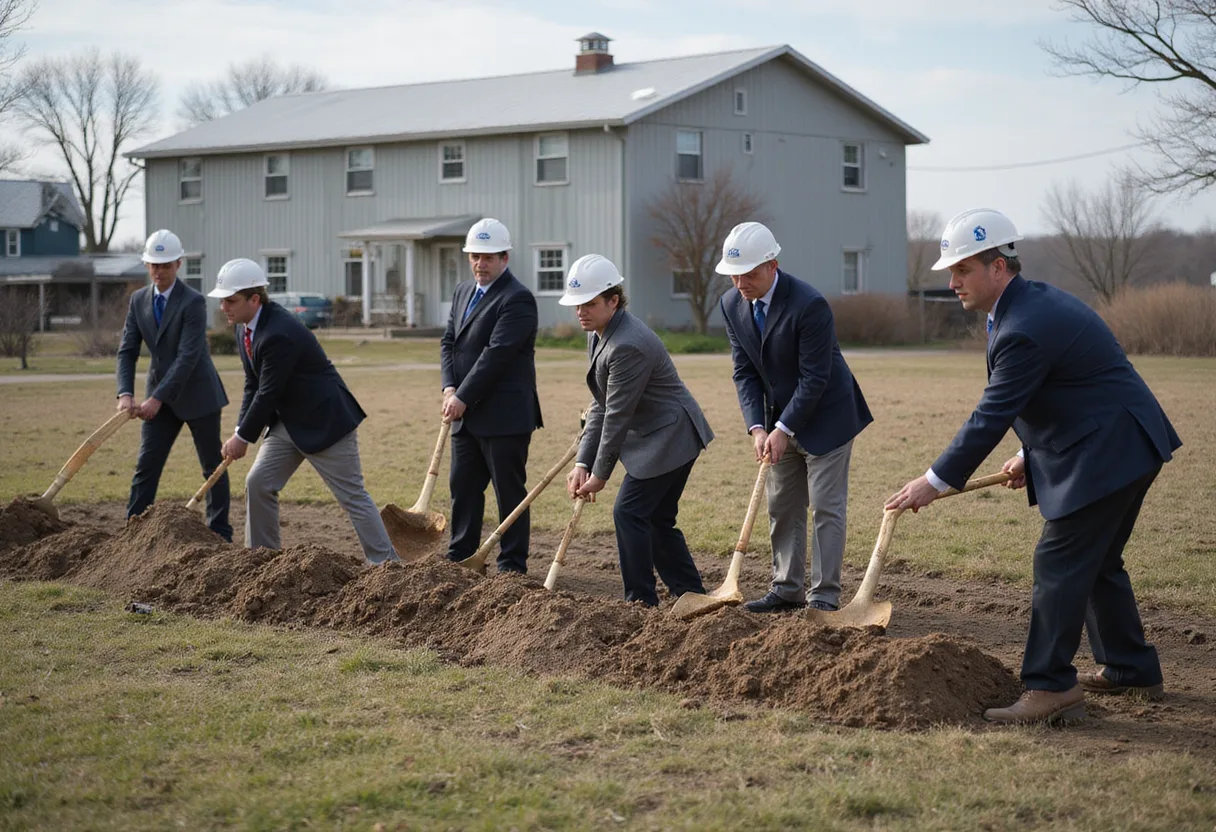
Penn State and the Pennsylvania Department of Agriculture have broken ground on an expansion of the Animal Diagnostic Laboratory, the state's hub for animal disease detection.
Updated
Penn State and the Pennsylvania Department of Agriculture have broken ground on an expansion of the Animal Diagnostic Laboratory, according to an announcement reported by the Meadville Tribune. The groundbreaking marks the start of construction on a facility that sits at the center of the state's animal disease detection infrastructure.
The Animal Diagnostic Laboratory operates as part of Pennsylvania's three-laboratory diagnostic system, which the Department of Agriculture coordinates to investigate suspected animal disease events across the Commonwealth. Penn State hosts one of those laboratories on its University Park campus. The other partner sites operate under the state's veterinary diagnostic network.
Why does an expansion matter for practitioners?
For veterinarians in practice, the laboratory is the destination for the samples that determine whether a herd outbreak is influenza, a toxicosis, or a reportable disease. Capacity at the bench sets the turnaround time at the clinic. When a laboratory's throughput is constrained, results queue.
An expanded facility adds physical space, and physical space is the prerequisite for more instruments, more biosafety containment, and more staff. Construction, not a policy change, is what delivers that. The groundbreaking signals that the project has cleared planning and budgeting and entered the build phase.
What does the laboratory do?
Pennsylvania's animal diagnostic laboratories support several functions that reach directly into practice:
- Necropsy and pathology services for livestock and companion animals
- Testing for reportable and foreign animal diseases
- Support for food-animal herd health investigations
- Data feeding the state's animal health surveillance
Those functions span the companion-animal, food-animal, and public-health divide. A dairy producer awaiting a Johne's or salmonella result, a small-animal clinic with an unexplained death, and a state regulator watching for avian influenza all depend on the same bench capacity.
Who is behind the project?
The two named partners are Penn State and the Pennsylvania Department of Agriculture. The Department of Agriculture regulates animal health programs in the Commonwealth and funds diagnostic surveillance; the university provides the campus site, faculty, and research infrastructure. A joint groundbreaking indicates the project is a shared capital investment rather than a single-institution build.
The announcement did not, in the initial report, specify the expansion's square footage, cost, construction timeline, or completion date. Those figures will determine when practitioners see any practical effect, because a groundbreaking is the beginning of a construction cycle, not the end of one.
What comes next?
Watch for the operational details. The numbers that matter to veterinarians are the budget line, the square footage added, the equipment slated for the new space, and the projected commissioning date. Once those appear in follow-up announcements, referring clinics and state veterinarians can plan around the added capacity. Until then, the concrete fact is that the shovels have hit the ground, and the expansion of Pennsylvania's animal diagnostic capability is officially under construction.
Source: Google News: Veterinary medicine
Grace Kim
Show full bio
Staff writer covering regulation, policy and their impact on Small- and large-animal clinical practice at The Vet Scope.
Related articles
Penn State Breaks Ground on $65 Million Animal Diagnostic Lab
Penn Vet Breaks Ground on State-Funded Diagnostic Laboratory
Penn State, PDA break ground on Animal Diagnostic Laboratory expansion
UPenn Breaks Ground on $94 Million Pennsylvania Veterinary Diagnostic Laboratory
New Bolton Center Breaks Ground on $94M Diagnostic Lab