Penn State Breaks Ground on $65 Million Animal Diagnostic Lab
Penn State has broken ground on a $65 million addition to its animal diagnostic laboratory, expanding capacity that Pennsylvania veterinarians rely on for case submissions.
Updated
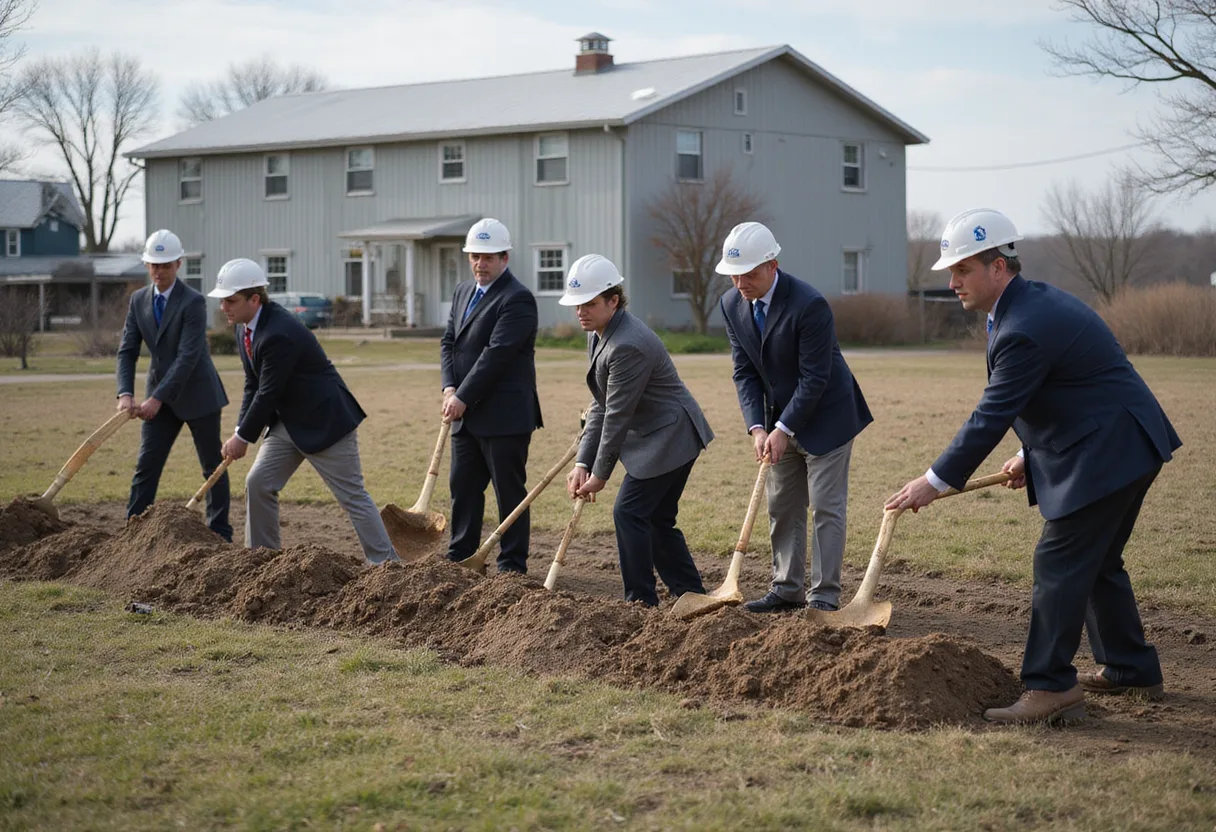
Photo: AI-generated
Penn State has broken ground on a $65 million addition to its animal diagnostic laboratory, a capital investment that directly affects how quickly Pennsylvania veterinarians get answers on submitted cases.
The project expands the university's existing animal diagnostic facility, which serves veterinarians, livestock producers and animal owners across the Commonwealth. Diagnostic labs of this kind handle the routine work that shapes daily practice decisions: necropsy submissions, infectious disease testing, toxicology and regulatory testing tied to herd health and food-animal surveillance.
What does the expansion mean for practitioners?
The stated purpose of the $65 million addition is to expand diagnostic capacity. For referring veterinarians, capacity translates into turnaround time. When submission volumes exceed a lab's bench space and staffing, results slow down — and treatment decisions, quarantine calls and movement clearances wait along with them.
Pennsylvania sits in a dense livestock region, and its animal health infrastructure carries both companion-animal and food-animal workloads. A larger diagnostic footprint at Penn State positions the university system to absorb:
- Higher submission volumes from companion-animal practices
- Expanded livestock and poultry diagnostics, including herd-level investigations
- Regulatory and surveillance testing that supports state animal health authorities
A capital commitment, not just a building
At $65 million, the project ranks among the more significant recent investments in veterinary diagnostic infrastructure at a land-grant university. Groundbreaking marks the transition from planning to construction; the institution has not yet announced a completion date in the information released so far.
Diagnostic laboratory networks operated by universities fill a role that private commercial labs only partially cover, particularly in regulatory testing and foreign animal disease preparedness. Expansion at this scale strengthens the diagnostic surge capacity that state and federal animal health response depends on during disease events.
Why it matters beyond the clinic
Animal diagnostic laboratories sit at the intersection of veterinary medicine and public health. Avian influenza, swine disease monitoring and zoonotic pathogen surveillance all run through diagnostic systems like the one Penn State operates. Added capacity in Franklin County's home state improves the speed at which outbreaks can be detected, confirmed and reported to the agencies that coordinate response.
For food-animal veterinarians and producers, faster confirmation of infectious disease in a herd changes the economics of a outbreak: earlier intervention, tighter biosecurity windows and better-informed decisions on culling or treatment.
What comes next
Construction now proceeds on the addition. Veterinarians who submit to the Penn State system will want to watch for announcements on phased openings, new test menus and any changes to submission requirements as the expanded facility comes online.
Source: Google News: Veterinary medicine
Nathan Brooks
Show full bio
Senior reporter covering companies, deals and strategy in Small- and large-animal clinical practice at The Vet Scope.
Related articles
Penn State and Pennsylvania Agriculture Break Ground on Diagnostic Lab Expansion
Penn Vet Breaks Ground on State-Funded Diagnostic Laboratory
New Bolton Center Breaks Ground on $94M Diagnostic Lab
Penn Vet Breaks Ground on $94 Million Chester County Lab
New York State Awards $19.5M for Veterinary Diagnostic Lab Expansion