Penn Vet Breaks Ground on $94 Million Chester County Lab
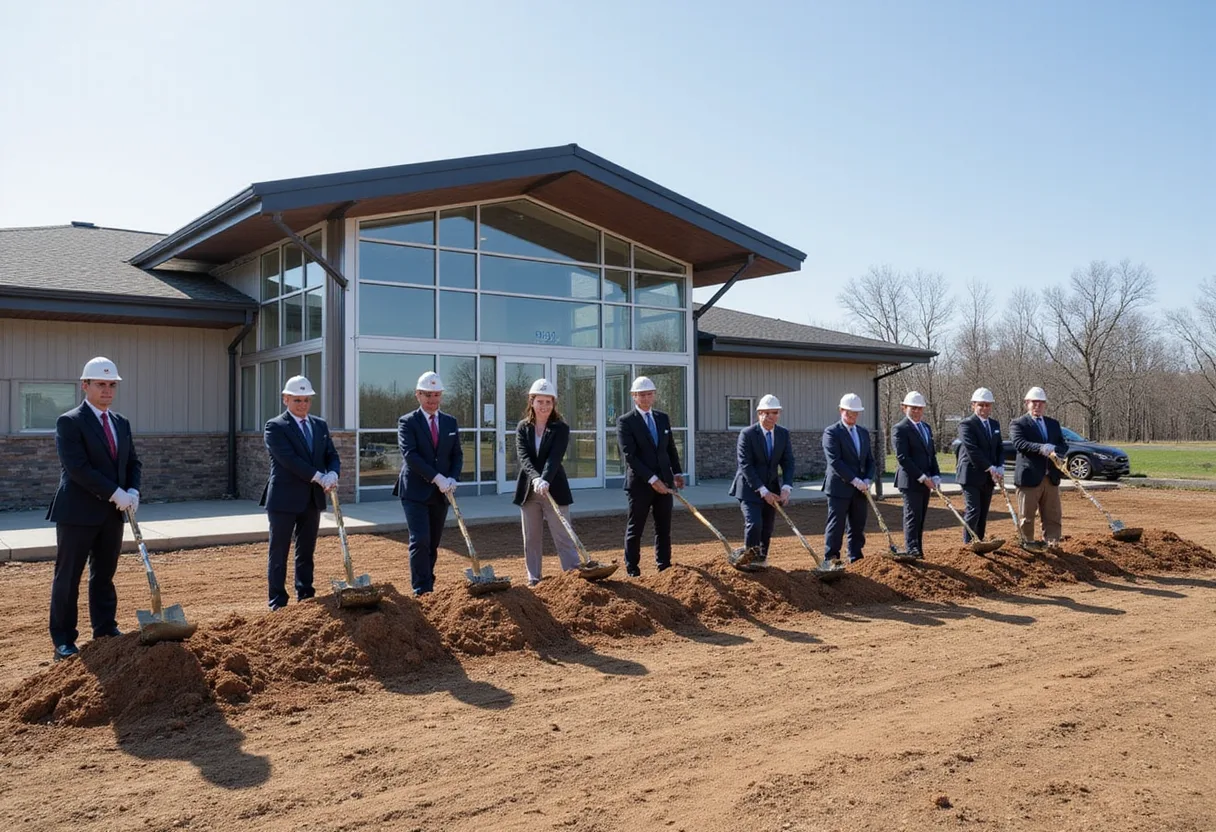
Penn Vet has begun construction on a $94 million laboratory in Chester County, Pennsylvania, expanding diagnostic and research capacity near the region's equine and livestock economy.
Updated
Photo: AI-generated
The University of Pennsylvania School of Veterinary Medicine has started construction on a $94 million laboratory facility in Chester County, Pennsylvania, a capital investment that signals growing demand for veterinary diagnostic and research capacity in the Mid-Atlantic region.
The project, first reported by MyChesCo, places one of the country's largest single veterinary infrastructure investments this cycle in a county with a dense concentration of equine operations, dairy herds, and companion-animal practices. For clinicians, a new Penn Vet laboratory in this location promises shorter turnaround times on submissions that currently route through existing campus facilities in Philadelphia and Kennett Square.
Why does the location matter?
Chester County sits at the center of Pennsylvania's equine and livestock economy. The county's horse farms, breeding operations, and dairy producers have long depended on Penn Vet's New Bolton Center in Kennett Square for large-animal diagnostics, imaging, and referral casework.
A $94 million laboratory in this corridor points to several practical consequences for referring veterinarians:
- Expanded capacity for diagnostic testing that supports herd-health decisions and regulatory disease surveillance
- Additional laboratory infrastructure positioned near the food-animal and equine caseload rather than the urban campus
- Research space that can host studies requiring large-animal and agricultural biosafety infrastructure
What changes at the practice level?
Until the facility opens, practitioners in southeastern Pennsylvania and neighboring states should expect existing submission channels and turnaround times to remain unchanged. Construction timelines, an opening date, and the specific test menu the new laboratory will offer have not yet been detailed in public reporting.
The scale of the investment — $94 million — places this project among the most significant commitments to veterinary laboratory infrastructure at a US veterinary school in recent years. Diagnostic capacity at that scale typically supports:
- Routine microbiology, virology, and pathology casework for companion-animal and livestock submissions
- Surveillance testing relevant to state and federal animal-health programs
- Research operations that can draw grant funding tied to agricultural and zoonotic disease priorities
Companion-animal, food-animal, and public-health dimensions
Each of the three stakeholder groups served by veterinary laboratories stands to gain in distinct ways. Companion-animal practices in the Philadelphia suburbs could see faster turnaround on pathology and infectious-disease panels once the facility is operational. Food-animal and equine operations gain a laboratory closer to the animals and farms themselves, which matters for time-sensitive diagnostics such as abortion workups, toxicology, and herd outbreak investigation.
On the public-health side, veterinary diagnostic laboratories form part of the surveillance network that detects zoonotic pathogens and reportable diseases before they reach the human population. Additional capacity in a livestock-dense county strengthens that early-warning function, although Penn Vet has not yet published specifics on which surveillance programs the new lab will support.
What happens next?
Construction is now underway. The project's completion date, staffing plans, and operational scope remain to be announced by Penn Vet, and referring practices in the region will be watching for details on when the laboratory begins accepting submissions.
Source: Google News: Veterinary medicine
Grace Kim
Show full bio
Staff writer covering regulation, policy and their impact on Small- and large-animal clinical practice at The Vet Scope.
Related articles
New Bolton Center Breaks Ground on $94M Diagnostic Laboratory
Penn Vet Breaks Ground on $94M Diagnostic Lab at New Bolton Center
Penn State Breaks Ground on $65 Million Animal Diagnostic Lab
New Bolton Center Breaks Ground on $94M Diagnostic Lab
Penn State and Pennsylvania Agriculture Break Ground on Diagnostic Lab Expansion