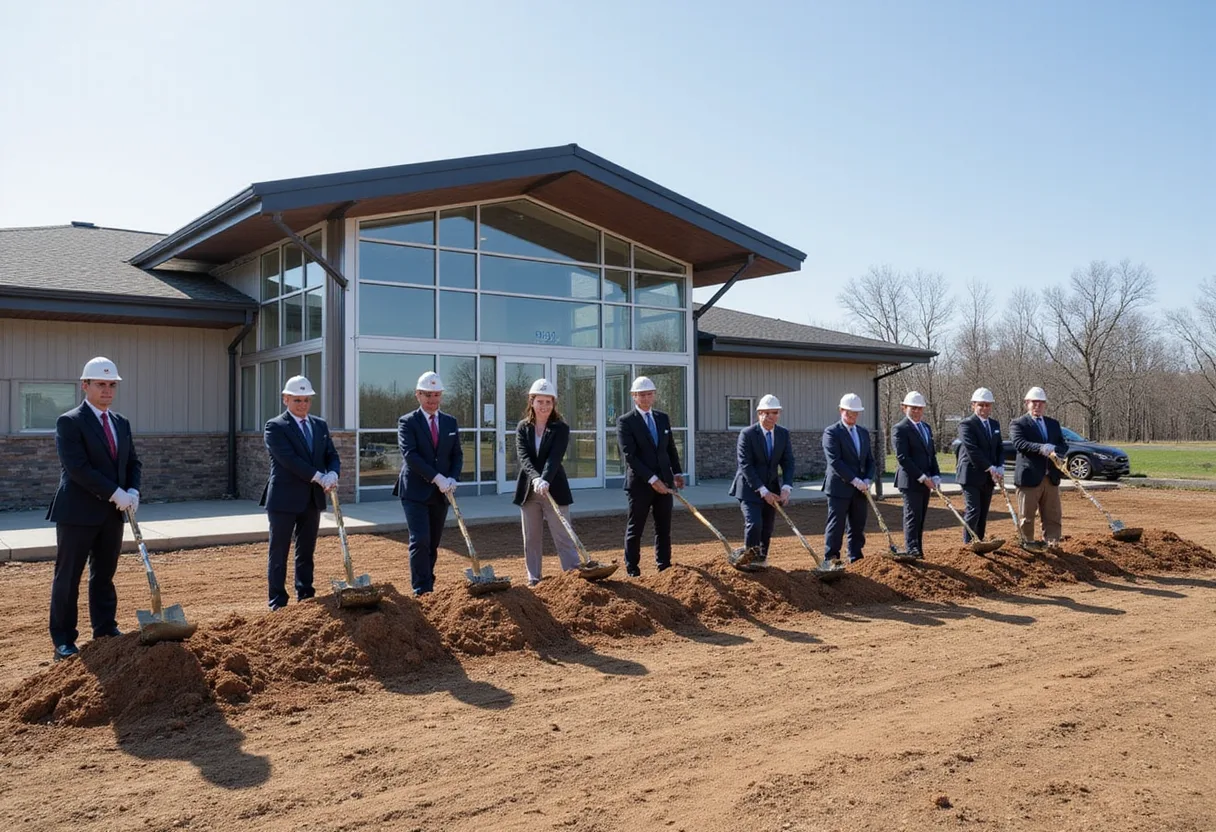
New Bolton Center Breaks Ground on $94M Diagnostic Laboratory
$94M veterinary diagnostic lab breaks ground at Penn Vet's New Bolton Center large-animal campus in Kennett Square, with implications for food-animal, equine, and zoonotic surveillance work across the Mid-Atlantic.
Updated
Photo: AI-generated
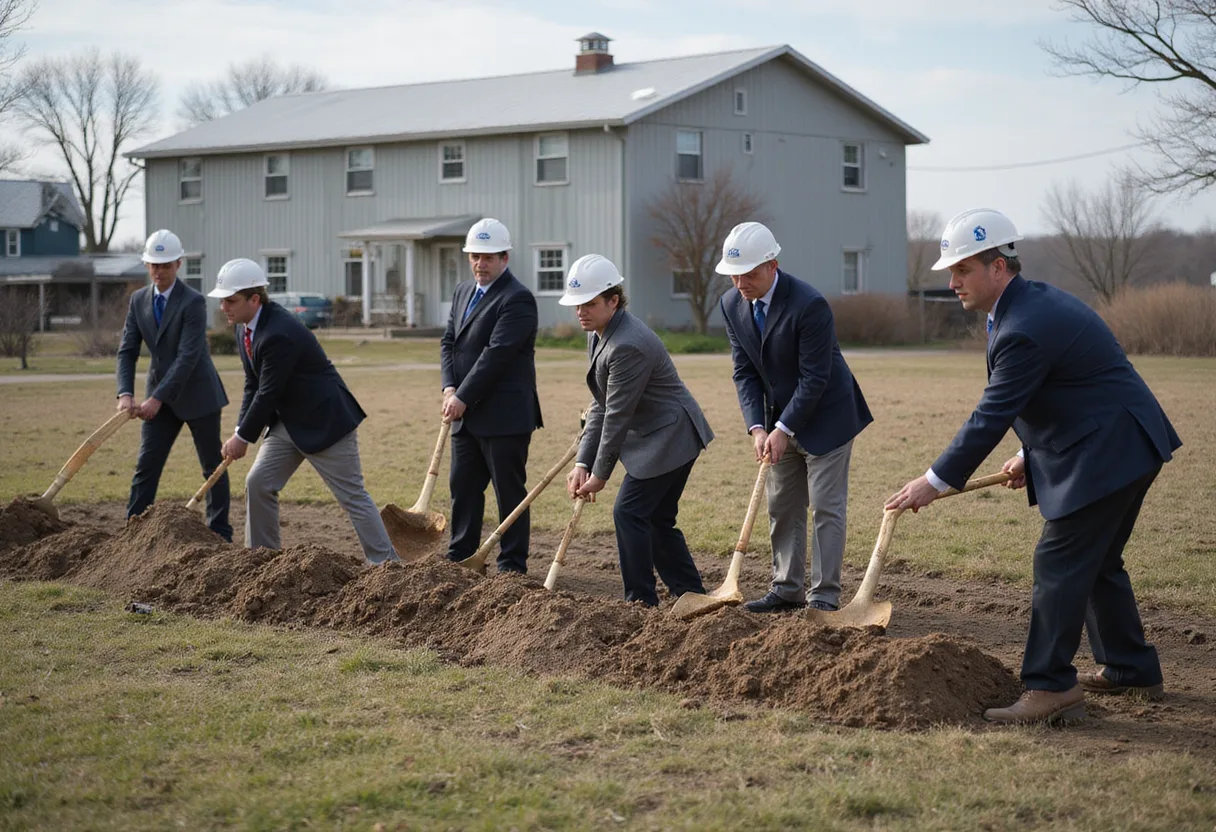
Penn Veterinary Medicine's New Bolton Center has broken ground on a $94 million veterinary diagnostic laboratory in Kennett Square, Chester County — the institution's large-animal campus in southeastern Pennsylvania, according to PHILADELPHIA.Today.
The project commits nearly $100 million to a single diagnostic facility on a working teaching campus, signaling continued institutional investment in regional agricultural-veterinary infrastructure.
What will the lab do?
Penn Vet did not release detailed specifications — square footage, completion date, or staffing target — in the announcement covered by PHILADELPHIA.Today. Industry context supplies the rest.
New Bolton Center functions as a referral hub for equine, bovine, caprine, and ovine cases drawn from Pennsylvania, the Mid-Atlantic, and the Northeast. Its existing diagnostic caseload includes necropsy, infectious-disease testing, and reproductive pathology submissions from food-animal and equine practitioners.
What changes for food-animal practice?
Pennsylvania ranks among the top U.S. dairy states and houses a sizable equine population according to USDA National Agricultural Statistics Service data. A purpose-built regional laboratory compresses turnaround on submissions that previously traveled to Midwestern or southern reference labs.
For Pennsylvania dairy veterinarians tracking Salmonella Dublin, bovine viral diarrhea virus (BVDV), or Johne's disease, days rather than weeks on a turnaround directly alters herd-level intervention timing. For swine and small-ruminant practitioners, regional access to polymerase chain reaction (PCR), bacterial culture, and antimicrobial susceptibility testing shortens the interval between sample collection and treatment adjustment.
What changes for equine clinicians?
Equine caseload gives the lab distinct weight. New Bolton operates round-the-clock equine emergency and critical-care services whose referrals draw from racing, breeding, and sport-horse operations across the Mid-Atlantic. Faster respiratory pathogen panels — including equine herpesvirus-1 (EHV-1) and Streptococcus equi subspecies equi (strangles) — translate directly to quarantine decisions on a farm.
Outbreak history explains the urgency. A 2021 EHV-1 neurologic event that disrupted Florida horse shows triggered interest at the USDA Animal and Plant Health Inspection Service (APHIS) in distributed diagnostic surge capacity. A Mid-Atlantic lab absorbs part of that load.
What are the public-health stakes?
A diagnostic laboratory constructed to biosafety level 3 (BSL-3) standards, a designation Penn Vet has explored in prior planning documents, would add regional capacity for zoonotic pathogen handling.
Highly pathogenic avian influenza (HPAI) detection in U.S. dairy cattle became a federal priority in 2024 after confirmed detections in herds, according to USDA APHIS and FDA Center for Veterinary Medicine (CVM) advisories. Pennsylvania dairy and poultry operations intersect that surveillance pipeline directly.
The new facility could position Penn Vet to participate more directly in coordinated networks that currently route many Mid-Atlantic agricultural samples elsewhere.
What comes next?
Construction milestones, equipment commissioning, and recruitment of veterinary diagnostic pathologists and clinical microbiologists will determine when submissions from local practices arrive at the new bench. Penn Vet previously indicated integration plans with its Ryan Veterinary Hospital referral network in Philadelphia.
For practitioners in the field, the operational question is straightforward: does a sample submitted Friday return by Monday? A $94 million facility answers that question only when its diagnostic benches come online.
Source: Google News: Veterinary medicine
Nathan Brooks
Show full bio
Senior reporter covering companies, deals and strategy in Small- and large-animal clinical practice at The Vet Scope.
Related articles
Penn Vet Breaks Ground on $94 Million Chester County Lab
Penn Vet Breaks Ground on $94M Diagnostic Lab at New Bolton Center
New Bolton Center Breaks Ground on $94M Diagnostic Lab
Penn State Breaks Ground on $65 Million Animal Diagnostic Lab
UPenn breaks ground on $94 million veterinary diagnostic laboratory