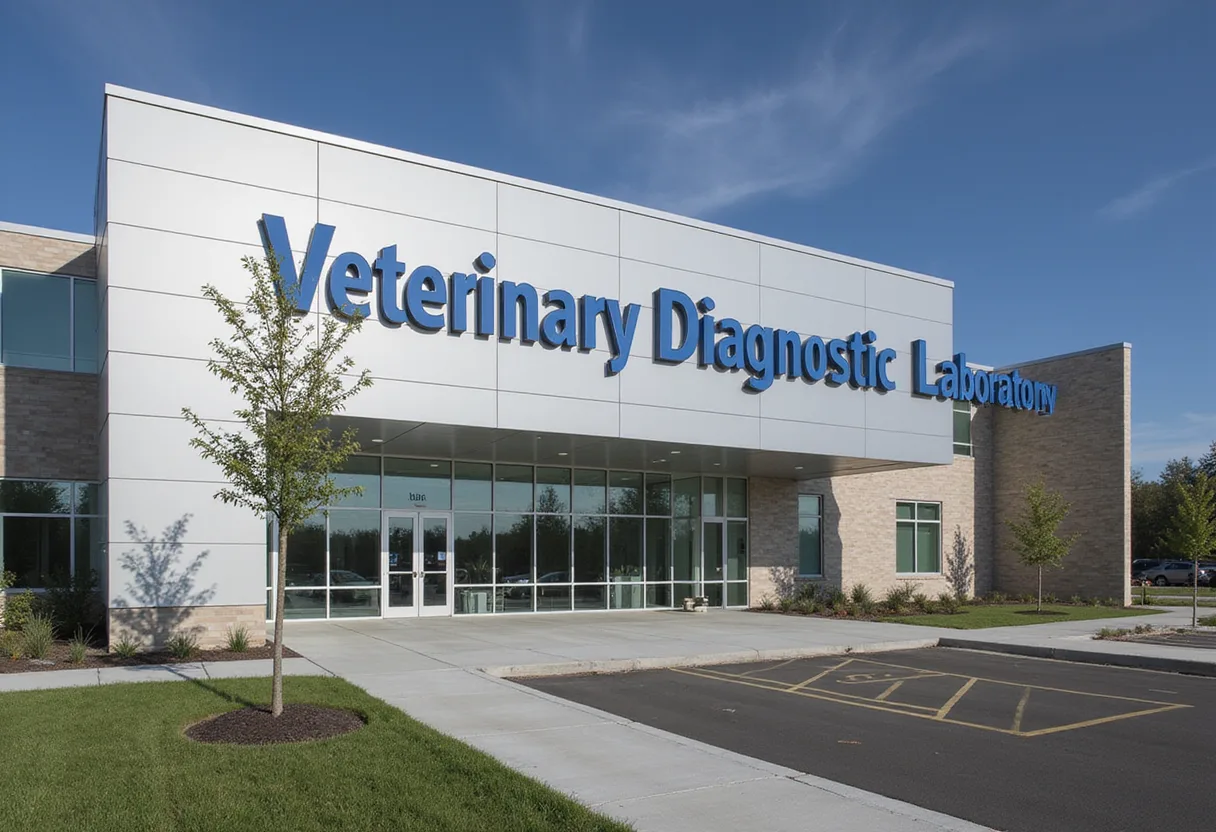
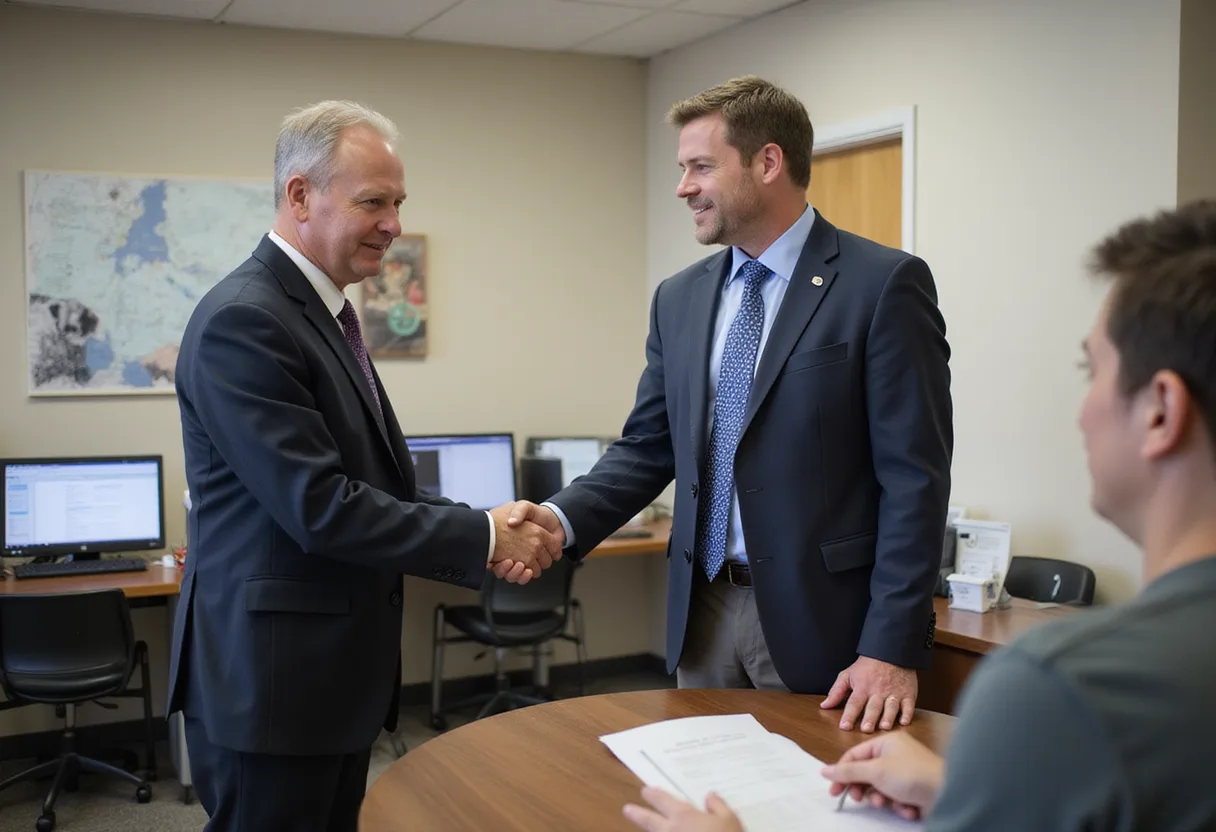
University of Kentucky Names New Director of Veterinary Diagnostic Laboratory
The University of Kentucky has named a new director of its Veterinary Diagnostic Laboratory, resetting priorities for a facility central to equine diagnostics and disease surveillance.
Updated
The University of Kentucky has named a new director of its Veterinary Diagnostic Laboratory, an announcement that places one of the nation's most consulted animal disease laboratories under fresh leadership.
For veterinarians who send tissue, blood and fetal samples to Lexington, the directorship is not an administrative detail. The laboratory sits inside a state whose equine industry concentrates thousands of broodmares, foals and stallions within a short drive of its loading dock, and whose practitioners depend on rapid turnaround when a foal collapses or a herd aborts.
What does the laboratory director actually control?
The director sets testing priorities, hires and retains board-certified pathologists and microbiologists, and decides which emerging assays the lab will offer as animal disease threats shift. In a diagnostic context, that authority determines how quickly a practitioner receives a cause of death, a vaccine-match recommendation or an early warning that a pathogen is circulating locally.
Diagnostic laboratories of this type also carry public-health weight. They routinely detect zoonotic agents — rabies, leptospirosis, salmonella — before human cases surface, and they feed surveillance data to state and federal authorities, including USDA monitoring programs. A change in director can redirect how aggressively a institution pursues that surveillance role.
Why this appointment matters at the exam table
Three practical implications follow for clinicians in Kentucky and surrounding states:
- Continuity of service. Leadership transitions at university diagnostic labs can shift submission protocols, reporting formats and turnaround expectations. Practitioners who submit regularly should watch for updated guidance in the coming months.
- Test menu evolution. Incoming directors typically review the assay portfolio. New molecular tests, revised panels or pricing changes often follow within the first year of a new directorship.
- Outreach and education. University-affiliated labs publish case summaries and outbreak alerts; a new director shapes how actively the institution communicates those findings to referring veterinarians.
For the food-animal sector, the laboratory's role in detecting reportable diseases — those tracked under state and federal rules administered with USDA and state agriculture authorities — means the appointment touches regulatory veterinary medicine as well as clinical practice.
The appointment in context
The University of Kentucky did not state the new director's name, prior position or start date in the announcement headline it released. The institution has historically operated the laboratory in close partnership with the state's agricultural establishment, and the directorship has functioned as a bridge between academic pathology and the day-to-day diagnostic needs of Kentucky veterinarians.
Leadership changes at veterinary diagnostic laboratories rarely make headlines outside the profession. Inside it, they mark the moments when surveillance priorities, test availability and institutional responsiveness quietly reset.
Practitioners who rely on the laboratory should expect the new director to introduce operational priorities in the months ahead; whether those priorities expand molecular diagnostics, shorten turnaround times or deepen equine surveillance will define the appointment's practical legacy.
Source: Google News: Veterinary diagnostics
Nathan Brooks
Show full bio
Senior reporter covering companies, deals and strategy in Small- and large-animal clinical practice at The Vet Scope.
Related articles
University of Kentucky Names New Veterinary Diagnostic Laboratory Director
Penn State and Pennsylvania Agriculture Break Ground on Diagnostic Lab Expansion
Nebraska Veterinary Diagnostic Center Earns Governor's Award
Penn Vet Breaks Ground on State-Funded Diagnostic Laboratory
K-State Breaks Ground on $128 Million Veterinary Diagnostic Lab