Penn Vet Breaks Ground on State-Funded Diagnostic Laboratory
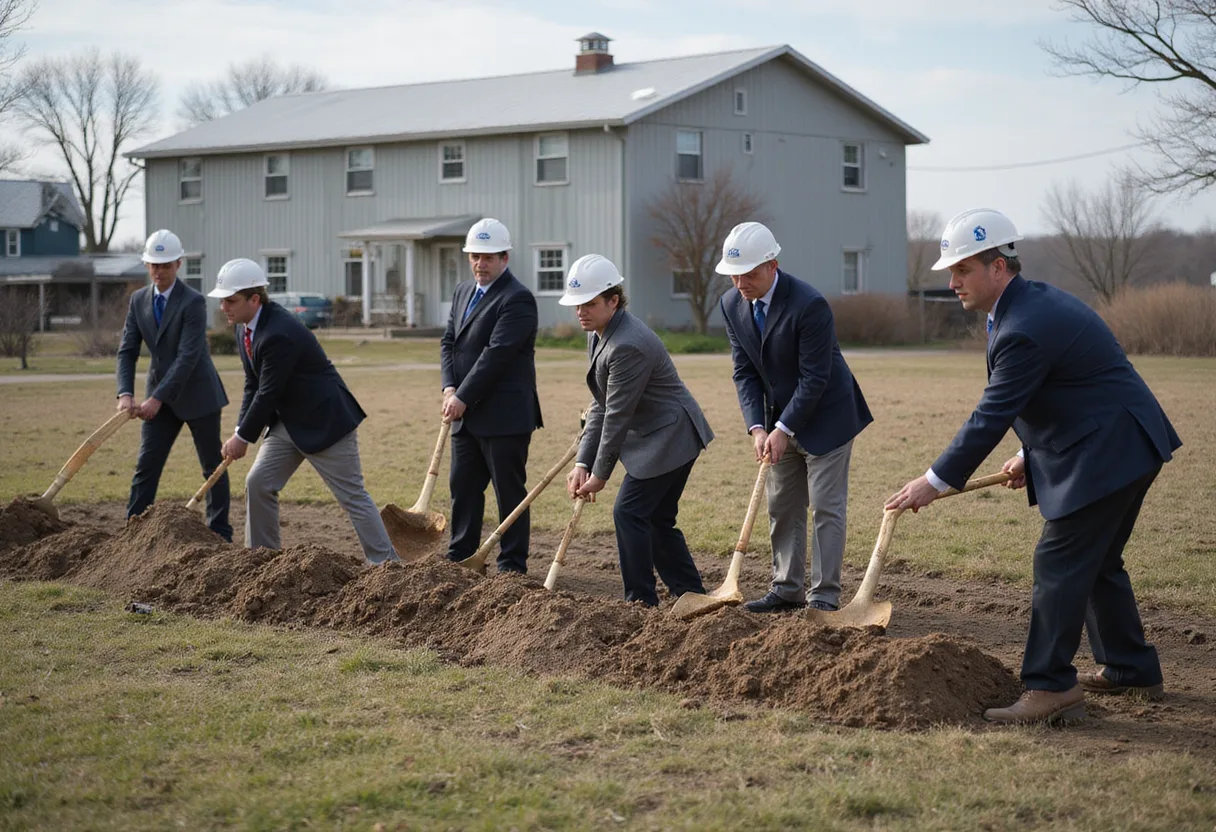
Penn Vet has broken ground on a state-funded laboratory to speed animal disease diagnoses and strengthen animal and public health infrastructure across Pennsylvania.
Updated
The University of Pennsylvania's School of Veterinary Medicine (Penn Vet) has broken ground on a new, state-funded laboratory designed to speed animal disease diagnoses and strengthen both animal health and public health across Pennsylvania, Penn Today reports.
The groundbreaking marks the transition of the project from planning to construction. The laboratory will operate with support from the Commonwealth of Pennsylvania, placing veterinary diagnostics on state infrastructure footing rather than relying solely on school or private funding.
Why diagnostic speed matters
For practicing veterinarians, the practical value of a diagnostic laboratory is measured in turnaround time. Faster confirmation of infectious agents changes decisions made at the exam table and in the barn: whether to isolate a patient, when to notify a herd owner, which animals to vaccinate, and whether a reportable disease requires state action.
Pennsylvania sits at the intersection of dense companion-animal practice in the Philadelphia and Pittsburgh metropolitan corridors and significant food-animal production in its central and western counties. A laboratory serving both sectors must handle everything from companion-animal infectious disease workups to herd-level pathogen surveillance, and delays in either domain carry different consequences — individual patient outcomes on one side, outbreak containment and food-supply protection on the other.
The public-health dimension follows directly from that dual mandate. The majority of emerging infectious diseases in humans have animal origins, and veterinary diagnostic laboratories function as early-warning infrastructure for zoonotic threats. Faster identification of a novel pathogen in animal populations gives human-health authorities more time to respond. State investment in this capacity reflects that overlap between veterinary medicine and public-health preparedness.
What the facility represents
The new laboratory adds physical diagnostic capacity to Penn Vet's existing infrastructure. Groundbreaking ceremonies typically precede a construction period of one to several years depending on scale; Penn Today's report does not state a completion date or a total project budget, and those figures will define when practitioners can expect operational changes.
For veterinarians in the region, the relevant questions over the coming construction period will include which diagnostic modalities the new laboratory will offer, what turnaround times it can commit to, how sample submission workflows will be integrated with private practices, and whether the facility will expand testing for reportable and emerging diseases requiring coordination with state animal-health authorities.
State funding as signal
The state-funding component of the project carries weight beyond the dollar figure. Legislatures fund veterinary infrastructure when they view animal diagnostics as public infrastructure — comparable in function to public-health laboratories on the human side. For the profession, that framing matters: it positions veterinary diagnostics as a shared civic asset rather than a service purchased case by case.
It also places the project in a broader context of public investment in animal-health capacity, which has drawn renewed attention following high-profile zoonotic and agricultural disease events in recent years. Diagnostic networks that connect veterinary schools, state agencies, and private practitioners form the backbone of outbreak detection for both food-animal industries and companion-animal medicine.
Penn Vet has not yet detailed in the announcement which specific test platforms, caseload targets, or staffing plans the new laboratory will carry. Those operational specifics will determine the facility's day-to-day impact on Pennsylvania practices.
As construction proceeds, veterinarians and public-health officials across the commonwealth will be watching for the timeline, scope of services, and submission protocols that will translate this state investment into faster answers at the point of care.
Source: Google News: Veterinary medicine
Grace Kim
Show full bio
Staff writer covering regulation, policy and their impact on Small- and large-animal clinical practice at The Vet Scope.
Related articles
Penn State Breaks Ground on $65 Million Animal Diagnostic Lab
Penn State and Pennsylvania Agriculture Break Ground on Diagnostic Lab Expansion
UPenn breaks ground on $94 million veterinary diagnostic laboratory
New Bolton Center Breaks Ground on $94M Diagnostic Lab
Penn Vet Breaks Ground on $94 Million Chester County Lab