UPenn breaks ground on $94 million veterinary diagnostic laboratory
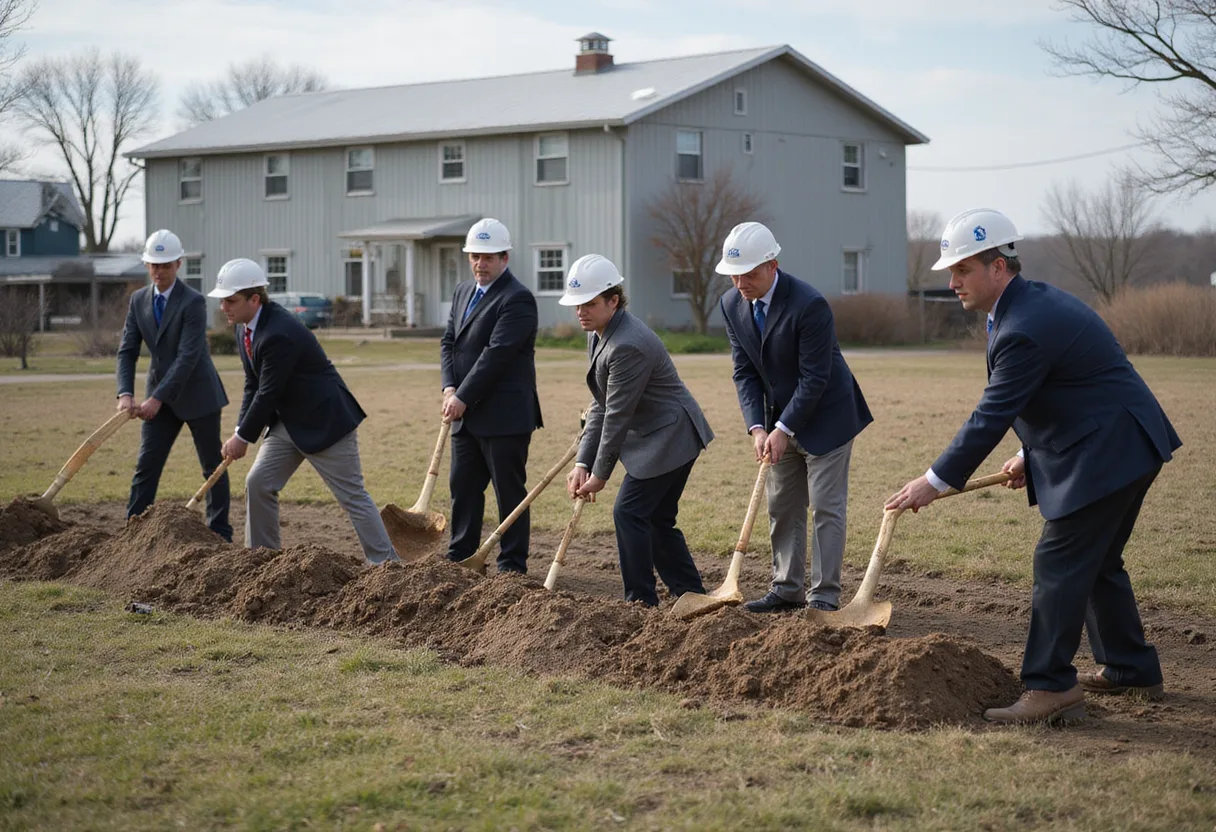
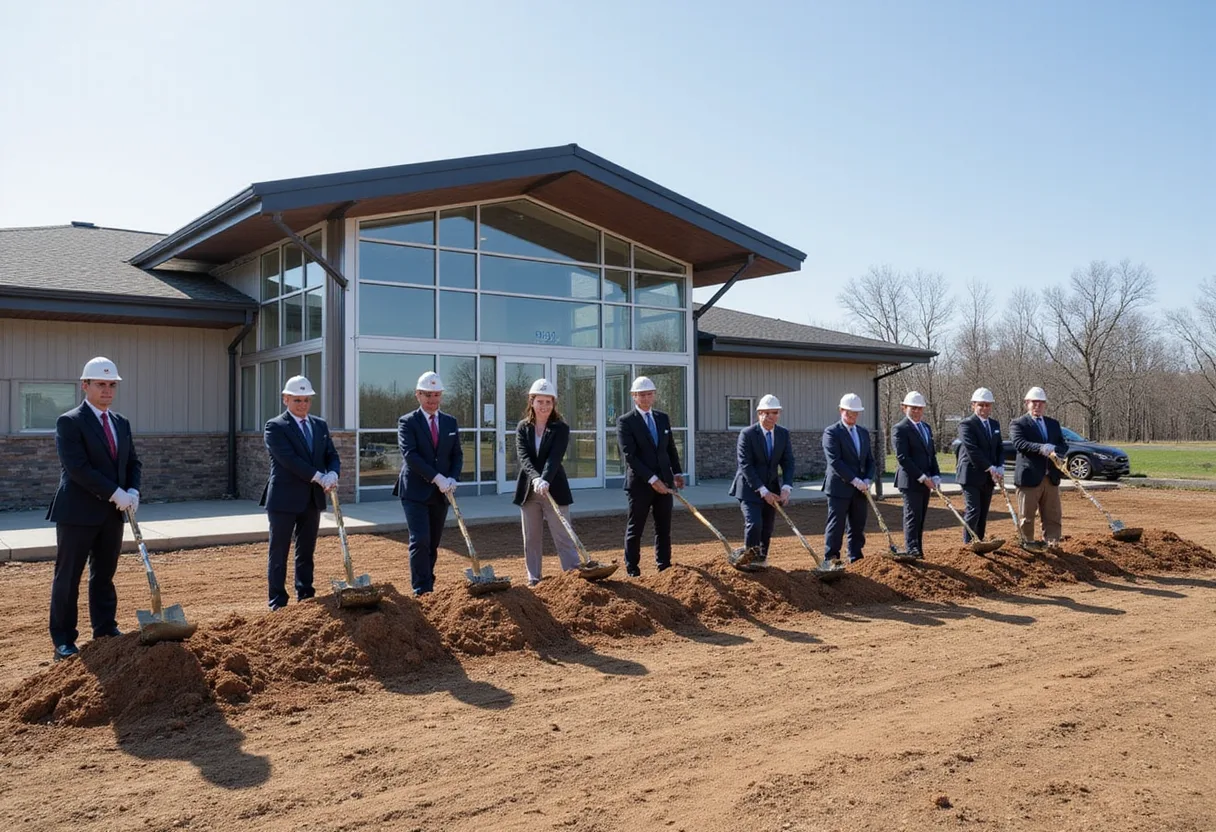
A $94 million veterinary diagnostic laboratory broke ground at the University of Pennsylvania, expanding necropsy, microbiology, and toxicology testing capacity for companion-animal clinicians and livestock producers across the Mid-Atlantic.
Updated
Photo: AI-generated
A $94 million veterinary diagnostic laboratory broke ground at the University of Pennsylvania, expanding testing capacity for clinicians and livestock operations across the Mid-Atlantic region.
The facility will operate under Penn Vet, the veterinary school that already anchors two clinical campuses: Ryan Hospital for companion animals in Philadelphia and New Bolton Center for large animals in Kennett Square, Pennsylvania. The new laboratory will expand Penn Vet's existing diagnostic services in necropsy, histopathology, microbiology, virology, parasitology, and toxicology.
What changes for companion-animal practice?
Faster turnaround on biopsies, bacterial cultures, and infectious-disease panels translates directly into tighter case management. Practitioners who currently route samples to Penn Vet or commercial reference labs for histopathology, urinary pathogen identification, or chronic diarrhea workups should see shorter timelines once the new facility reaches full operation. That shift supports more targeted antimicrobial therapy and reduces empirical prescribing during the diagnostic window. Faster molecular diagnostics, including PCR panels for respiratory pathogens and tick-borne agents, can compress the time between presentation and definitive diagnosis.
What changes for food-animal veterinarians?
Regional diagnostic capacity is the bottleneck on herd-level investigations. Pennsylvania ranks among the top US dairy-producing states and maintains sizable poultry, swine, and equine sectors. Producers and their veterinarians depend on state and university laboratories for necropsy workups on neonatal losses, abortion storms, and unexplained mortality.
A consolidated Penn Vet laboratory will shorten courier drive times for sample submission from across Pennsylvania and likely reduce backlog during high-volume periods such as calving season. The Meadville Tribune's coverage of the groundbreaking reflects those regional stakes: Crawford County sits in the heart of Pennsylvania's dairy belt, and the area's farm readership has a direct stake in expanded diagnostic access.
What is the public-health implication?
Veterinary diagnostic laboratories carry surveillance for zoonotic and emerging pathogens that include Salmonella, Campylobacter, and highly pathogenic avian influenza. Pennsylvania has recorded commercial poultry HPAI detections in recent years, and the 2024 HPAI outbreak in US dairy cattle pushed laboratory networks nationwide into higher throughput. USDA's National Animal Health Laboratory Network has backed state reinvestment in diagnostic infrastructure since the 2015 HPAI outbreak, a pattern the Penn Vet project continues.
Diagnostic laboratories also generate the antimicrobial-resistance data that informs stewardship guidelines in both veterinary and human medicine. A laboratory with expanded capacity contributes more isolates, more species coverage, and more timely reporting to state and federal tracking systems.
What comes next?
Construction milestones, equipment commissioning, and a projected opening date will determine how quickly the facility reshapes daily workflow for practicing veterinarians. Until then, Pennsylvania clinicians will continue routing samples through Penn Vet's existing diagnostic services and the Pennsylvania Animal Diagnostic Laboratory System, the regional network that already handles most of the state's submissions.
Source: Google News: Veterinary medicine
Elena Vasquez
Show full bio
Market editor covering money, funding and market shifts around Small- and large-animal clinical practice at The Vet Scope.
Related articles
Penn Vet Breaks Ground on State-Funded Diagnostic Laboratory
Penn State Breaks Ground on $65 Million Animal Diagnostic Lab
Penn State and Pennsylvania Agriculture Break Ground on Diagnostic Lab Expansion
New Bolton Center Breaks Ground on $94M Diagnostic Laboratory
New Bolton Center Breaks Ground on $94M Diagnostic Lab