Deep learning framework SPIRO targets ovine lung lesion scoring
A 16-author team publishing in The Veterinary Journal on 14 October 2026 introduces SPIRO, an explainable deep learning framework for scoring macroscopic pulmonary lesions in sheep.
Updated
The Veterinary Journal published a study on 14 October 2026 introducing Sheep Pulmonary Image Recognition (SPIRO), a deep learning framework designed to assess macroscopic pulmonary lesions in sheep.
The multi-institution team — 16 authors led by Muhammad Furqan Arshad of the University of Sassari, with collaborators spanning Sardinian veterinary institutions and engineering researchers — built SPIRO to bring automated, explainable image analysis into ovine post-mortem examination, a setting where lesion scoring has traditionally depended on the subjective judgment of the inspecting veterinarian.
What is SPIRO?
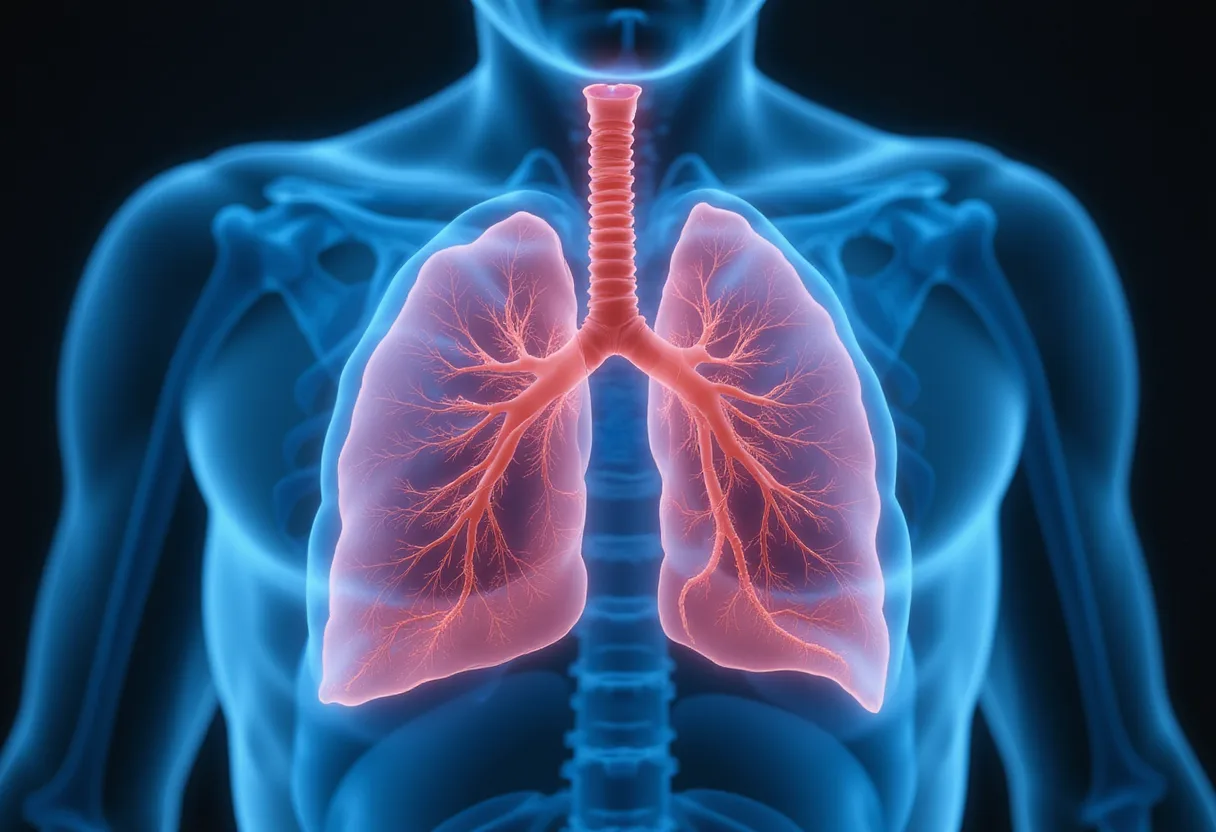
SPIRO is a convolutional neural network–based tool that classifies macroscopic pulmonary lesions from images of sheep lungs. The authors describe it as an explainable framework: rather than returning only a label, the model highlights the image regions driving its decision. That design choice matters at the slaughterhouse bench, where veterinarians must justify condemnations and pathology findings with visible evidence.
The study appears in The Veterinary Journal, a peer-reviewed Elsevier title, and was available online from 14 October 2026.
Why does explainability matter for ovine pathology?
Ovine pulmonary pathology — including pneumonic conditions that drive carcass and organ condemnations — is routinely evaluated by visual inspection at abattoirs and during diagnostic necropsies. Standard macroscopic scoring systems, such as those used for chronic respiratory lesions in small ruminants, depend on inspector consistency. Deep learning tools promise repeatability, but veterinary regulators and practitioners have hesitated over "black box" models whose outputs cannot be interrogated.
SPIRO's explainability component addresses that gap directly: the framework reports which pulmonary regions informed each classification, giving pathologists a checkable visual trace rather than an unexplained verdict.
What changes at the bench?
For food-animal practitioners and official veterinarians, the immediate implication is a potential auxiliary tool for lesion documentation — photographic records scored by a consistent algorithm, usable in surveillance data collection and herd-level monitoring of respiratory disease. For companion and public-health audiences, the relevance is indirect: the framework demonstrates a transferable template for explainable image-based pathology in any species.
The tool is a research framework, not a regulated diagnostic device. No agency — whether the FDA's Center for Veterinary Medicine, the EMA or the USDA — has cleared or approved SPIRO for clinical or inspection use; deployment would require validation studies and, in most jurisdictions, conformity with medical-device or diagnostic-software regulations.
Who built it?
The author list pairs veterinary pathologists and parasitologists from Sardinia — including Giovanni Pietro Burrai, Ciriaco Ligios, Antonio Varcasia and Maria Luisa Pinna Parpaglia — with computational researchers such as Stefano Giordano and Md Sabbir Ahmed. That veterinary-engineering pairing reflects a broader trend in veterinary diagnostics research: institutions combining domain pathology with machine-learning expertise to produce tools clinicians can actually audit.
The full methodological detail — dataset composition, model architecture, sensitivity and specificity figures — appears in the paper itself, published in The Veterinary Journal on 14 October 2026. Practitioners tracking AI in abattoir pathology will want to watch whether SPIRO's explainable approach clears external validation in independent ovine populations.
Source: The Veterinary Journal (Elsevier)
Amara Osei
Show full bio
Correspondent covering companies, deals and strategy in Small- and large-animal clinical practice at The Vet Scope.
Related articles
Deep-Learning Lung Ultrasound Targets Dairy Calf Consolidation Scoring
Thoracic Ultrasound Evaluated as Diagnostic Tool for Sheep Respiratory Disease
Veterinary AI Partnership Could Carry Clinic Tools Into Human Medicine
Thoracic Ultrasound Assessed as CCPP Diagnostic in Sheep and Goats
Lung ultrasound findings shift after colic surgery in horses, study finds