Deep-Learning Lung Ultrasound Targets Dairy Calf Consolidation Scoring
A seven-author deep-learning study on lung ultrasonography for dairy calves posted online 17 September 2026 in the Journal of Dairy Science pushes image-derived BRD scoring toward automated grader pipelines.
Updated
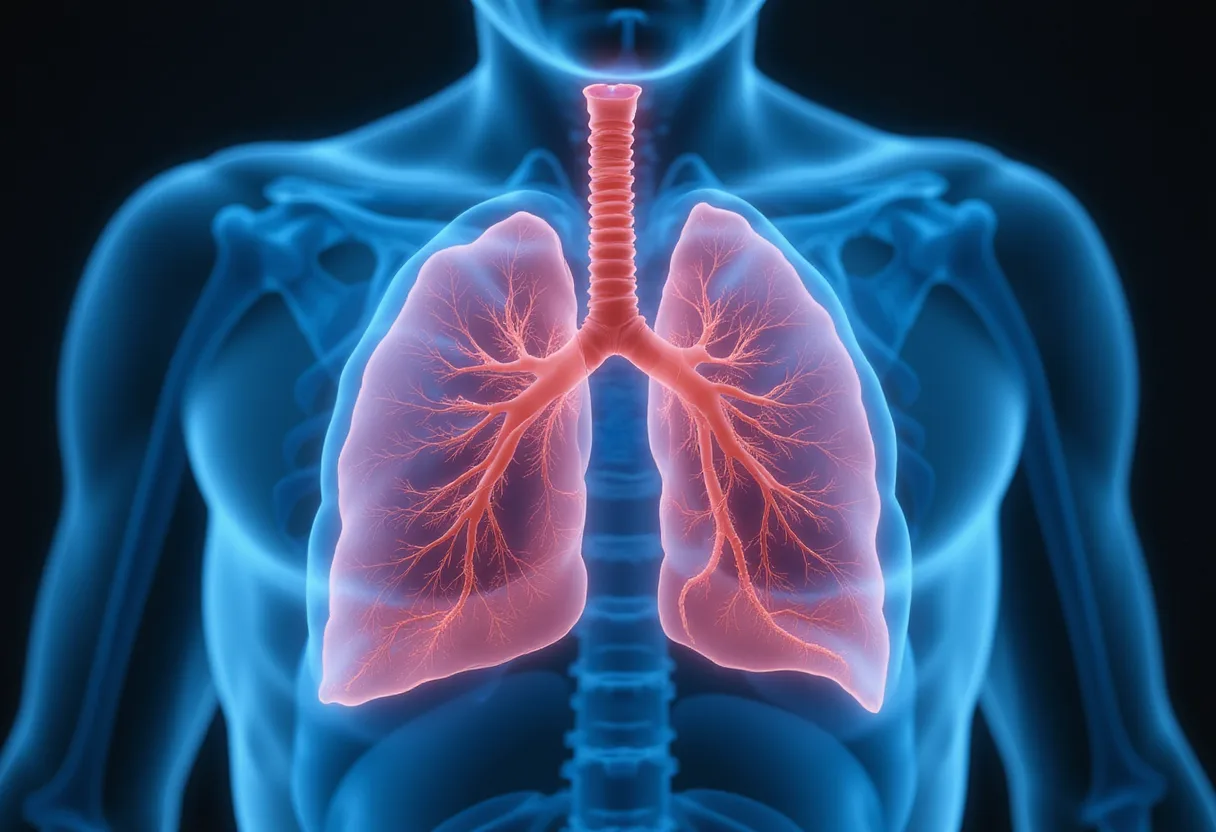
Photo: AI-generated
By Grace Kim
The Journal of Dairy Science published a deep-learning study on lung ultrasonography in dairy calves online on 17 September 2026. The paper, "A smarter lung ultrasonography solution for lung consolidation classification in dairy calves using a deep learning approach," lists seven authors led by Marina Madureira Ferreira, with Francisco A. Leal Yepes as the senior-listed author.
Co-authors include Keshawa M. Dadallage, Tyler Ward, Hannah McCray, Ryan M. Ye, and Jennifer J. Sun. The American Dairy Science Association, publisher of the journal, posted the manuscript ahead of issue assignment, with the full PDF expected on ScienceDirect in the coming weeks.
What does the paper aim to classify?
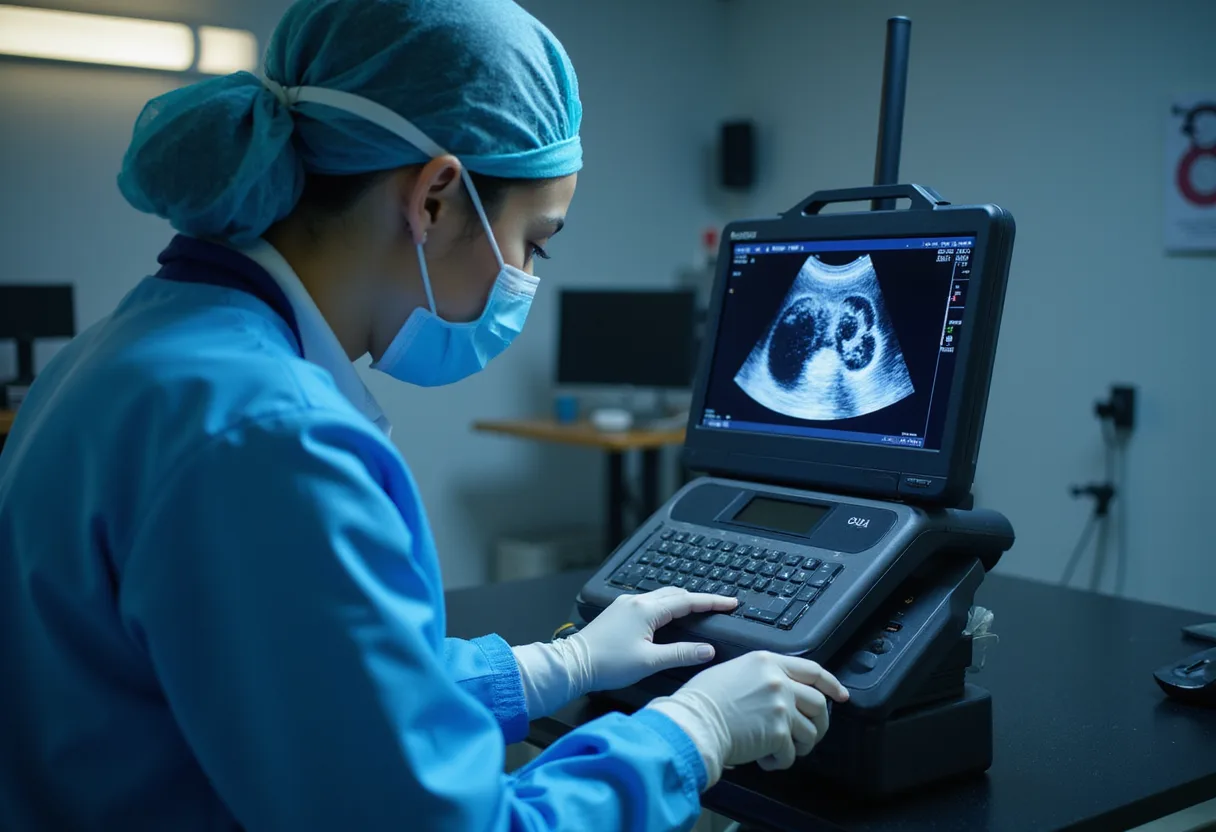
Lung consolidation in dairy calves — the displacement of air-filled alveoli by fluid and cellular debris — sits inside bovine respiratory disease complex (BRD), the syndrome widely reported as a leading infectious cause of pre-weaning heifer mortality on North American dairies. Thoracic ultrasonography (TUS), performed with a linear or convex probe across the intercostal spaces, has become the standard field method for grading the resulting lesions. Operators assign a 0-to-5 score based on the depth of consolidated lung visible in each intercostal window; depth at or above one centimeter is generally treated as clinically actionable and frequently tied to antimicrobial treatment decisions.
The clinical appeal of TUS is its speed and its ability to detect subclinical lesions that rectal temperature and respiratory scoring miss. The drawback is grader variability: different technicians reading the same clip can produce different scores, complicating herd-level trend analysis on operations with multiple calf raisers.
Why "smarter" in the title?
The word points to a software layer above the existing TUS workflow. Instead of asking a clinician to eyeball each intercostal clip and estimate depth, the authors built a deep-learning classifier to label images directly. The approach draws on convolutional and transformer architectures now common in human radiology, retrained on bovine thoracic anatomy. The title stops short of telling readers whether the model replaces the human scorer or runs alongside it — a question the full PDF will need to answer.
What does the published notice actually tell us?
Only this much. The metadata circulating this week — title, author block, and posting date — contains no sample size, no imaging protocol, no reported accuracy, and no validation cohort. Practitioners will need the full PDF from the Journal of Dairy Science website to see those numbers. Treat any secondary summary as preliminary until the paper itself is in hand.
What would this change at the calf barn?
Three concrete shifts look plausible from the title alone:
- Standardization. Automated scoring should reduce drift between graders on multi-site dairies and across shifts.
- Throughput. Pen-level sweeps become feasible without tying up a trained ultrasonographer for hours at a stretch.
- Audit trail. Image-derived BRD calls could feed antimicrobial stewardship decisions with consistent documentation — useful as calf-raising protocols tighten around documented decision rules.
The paper, however, is a single study: deployment at scale would require independent validation on herds the original authors did not image.
What should the field watch next?
Watch the Journal of Dairy Science site for the issue assignment and the full text, and the senior author's publication page for follow-on work in beef calves. The next twelve months will likely bring at least one external replication attempt and, depending on funding, a commercial pilot. The broader question this paper opens is whether AI scoring stays in research hands — or moves directly to the chute, the laptop ultrasound cart, and the next pre-weaning heifer group on the dairy.
Source: Journal of Dairy Science (Elsevier)
Grace Kim
Show full bio
Staff writer covering regulation, policy and their impact on Small- and large-animal clinical practice at The Vet Scope.
Related articles
Thoracic Ultrasound Evaluated as Diagnostic Tool for Sheep Respiratory Disease
Thoracic Ultrasound Assessed as CCPP Diagnostic in Sheep and Goats
Deep learning framework SPIRO targets ovine lung lesion scoring
Lung ultrasound findings shift after colic surgery in horses, study finds
New invited review reframes herd-level udder health indices