Thoracic Ultrasound Assessed as CCPP Diagnostic in Sheep and Goats
A Frontiers study evaluates thoracic ultrasonography as a same-visit diagnostic aid for contagious caprine pleuropneumonia in sheep and goats.
Updated
Photo: AI-generated
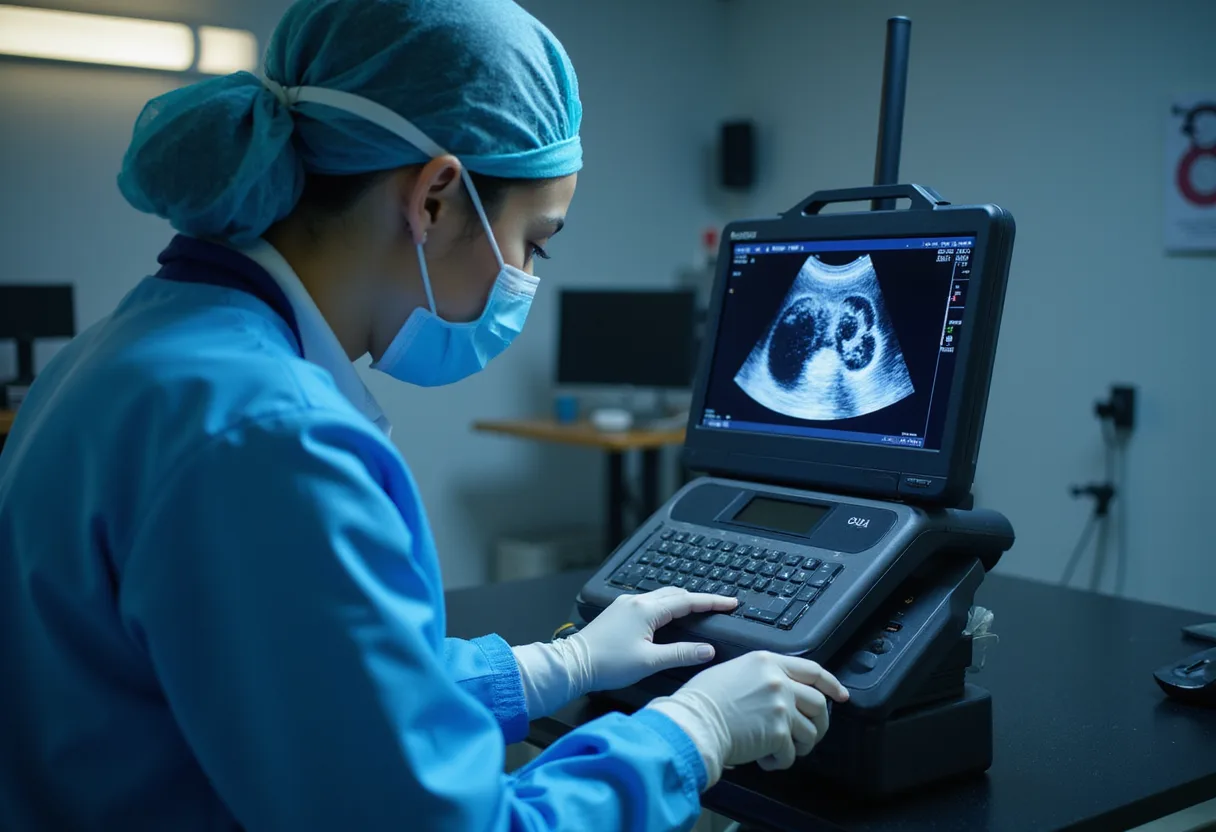
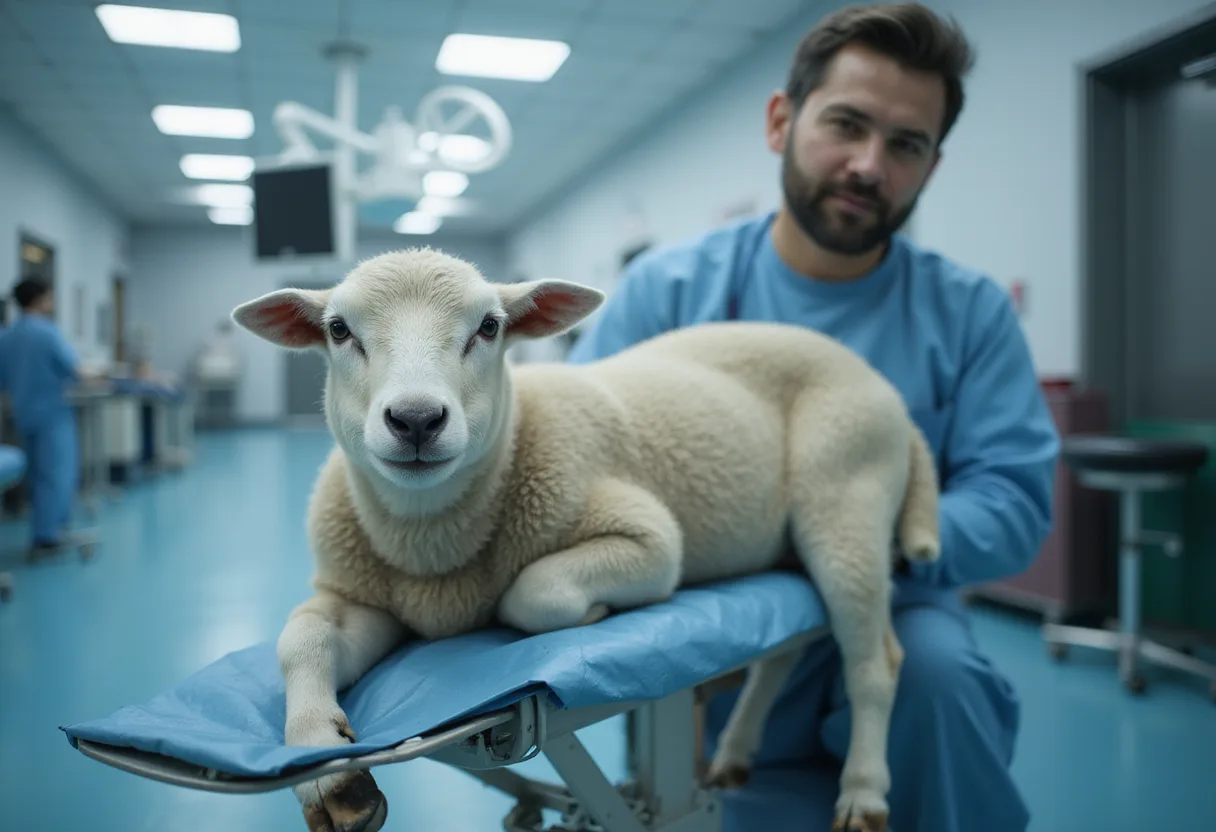
Thoracic ultrasonography has been evaluated as a diagnostic tool for contagious caprine pleuropneumonia (CCPP) in sheep and goats, in a study published in Frontiers. The work addresses a persistent gap in small-ruminant medicine: confirming a disease that spreads fast in flocks and herds while clinical signs overlap with several other respiratory conditions.
CCPP, caused by Mycoplasma capricolum subsp. capripneumoniae, remains one of the most damaging respiratory diseases of goats in affected regions. Diagnosis at the level of the individual animal has long depended on a combination of clinical judgment, post-mortem findings and laboratory confirmation — a pathway that rarely delivers answers quickly enough to guide flock-level decisions.\n The Frontiers paper examines whether thoracic ultrasonography, a tool already established in cattle practice for detecting lung pathology at the chute side, can carry that diagnostic weight in small ruminants.
What does the study examine?
The researchers assessed the diagnostic utility of thoracic ultrasonography in sheep and goats presented with contagious caprine pleuropneumonia. The study design, species breakdown and case numbers are reported in the full publication, and clinicians should read the findings against those specifics before extrapolating to their own caseload.
The central question is practical: can a probe applied to the chest wall identify the pleural and pulmonary lesions that define CCPP with enough confidence to act on the result?
Why does this matter at the exam table?
For mixed-animal and small-ruminant practitioners, the appeal of thoracic ultrasonography rests on three properties:
- It requires no specialized facility beyond a portable ultrasound unit.
- It returns findings during the examination itself, rather than days later.
- It visualizes pleural effusion and lung consolidation directly, the lesions that CCPP produces.
In goat herds, where CCPP can move rapidly through susceptible animals, a same-visit imaging finding changes the conversation with the owner: isolate, test, treat or cull decisions no longer wait on laboratory turnaround.
What are the limits?
Ultrasonography images what the probe can reach. Deep lung lesions shielded by aerated tissue, and lesions anchored far from the body wall, can escape detection. The Frontiers study frames its conclusions within those physical constraints, and clinicians applying the technique in the field should hold the same frame.
The disease also carries regulatory weight in many jurisdictions. CCPP is a notifiable disease in numerous countries, and imaging findings — however suggestive — do not replace the laboratory confirmation that official control programs require. A positive ultrasound pattern moves a case toward suspicion and sampling, not toward a definitive reportable diagnosis on its own.
The wider lens
Small-ruminant respiratory disease has drawn less imaging research than bovine medicine, and the tools validated for cattle do not transfer automatically to animals a fraction of that size. Each study that tests an imaging modality in sheep and goats narrows that gap, and this Frontiers work adds a species-specific data point where few existed.
The full paper reports its methods, case material and diagnostic performance figures, and readers should consult it directly for the numbers that would justify adopting the technique — or withholding it — in a given practice setting.
Whether thoracic ultrasonography becomes routine in CCPP workups will depend on how its sensitivity and specificity hold up across larger, prospectively examined populations.
Source: Google News: Veterinary diagnostics
Nathan Brooks
Show full bio
Senior reporter covering companies, deals and strategy in Small- and large-animal clinical practice at The Vet Scope.
Related articles
Thoracic Ultrasound Evaluated as Diagnostic Tool for Sheep Respiratory Disease
Deep-Learning Lung Ultrasound Targets Dairy Calf Consolidation Scoring
Deep learning framework SPIRO targets ovine lung lesion scoring
Lung ultrasound findings shift after colic surgery in horses, study finds
Jigawa Council Vaccinates 3,000 Livestock Against Lung Disease