Fredna Vet Diagnostics Runs CT Scan on Indian Spectacled Cobra
Fredna Vet Diagnostics imaged an Indian Spectacled Cobra by CT, BusinessLine reports — a case that marks the reach of advanced diagnostics into venomous reptile medicine.
Updated
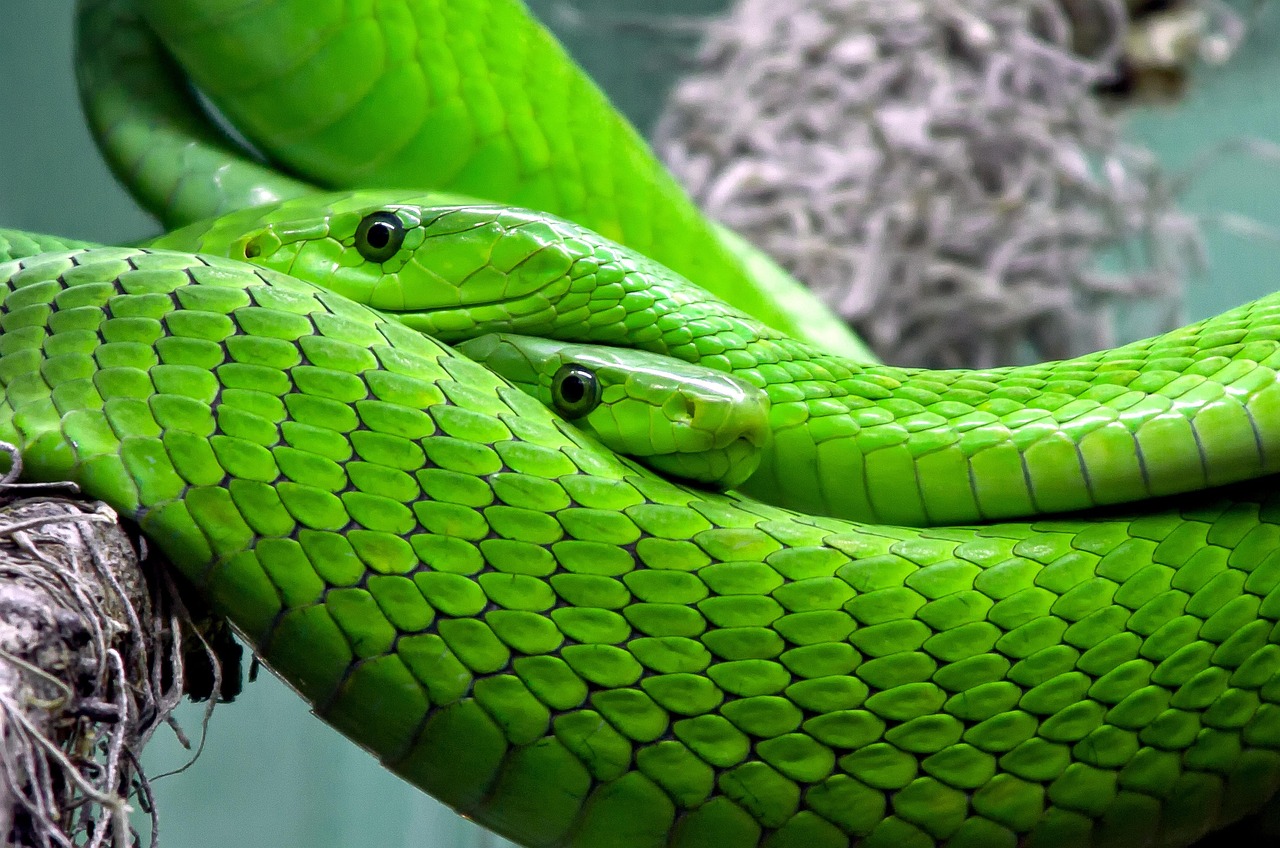
Photo: AI-generated
Fredna Vet Diagnostics has performed a computed tomography scan on an Indian Spectacled Cobra, according to a report published by BusinessLine — a case that places one of India's most familiar venomous snakes inside a diagnostic suite built, in the main, for dogs, cats and livestock.
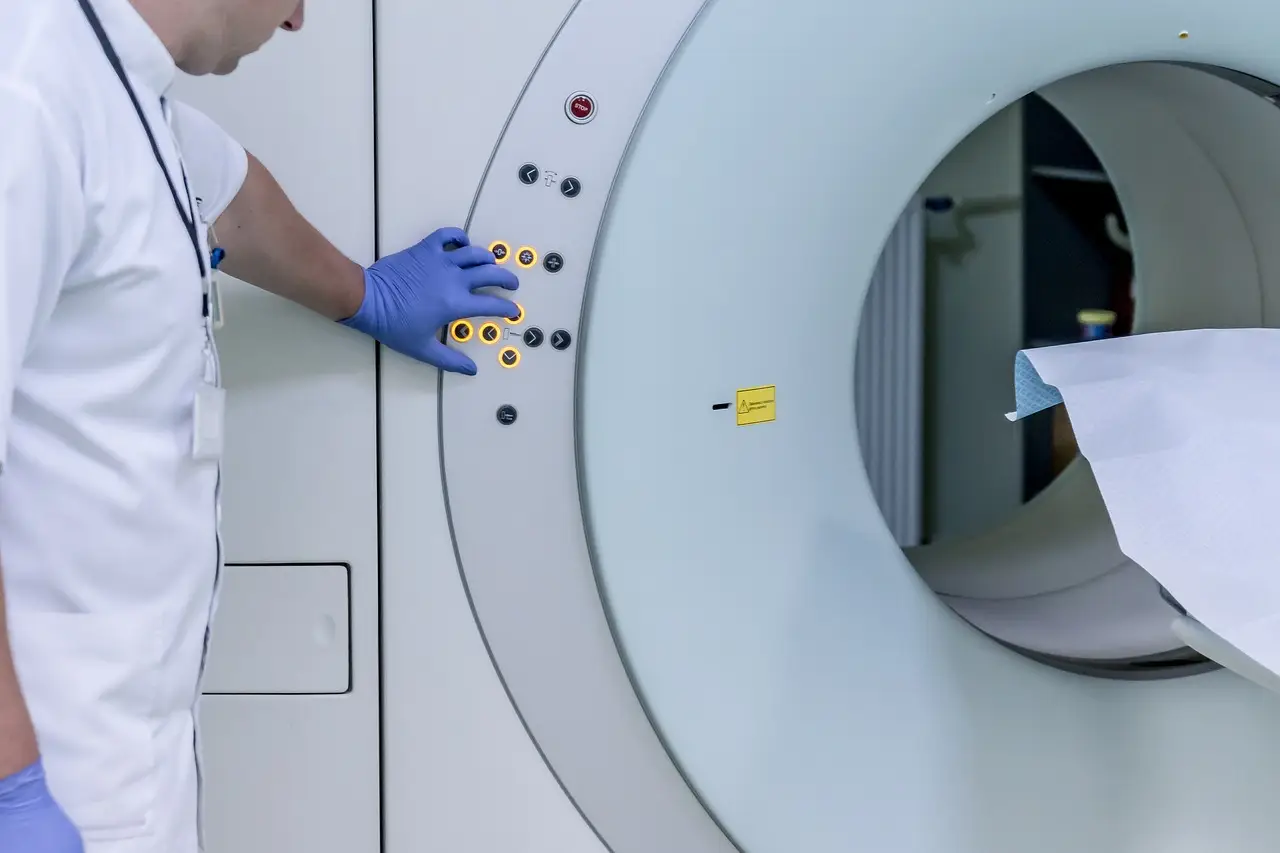
The event itself is simple to state. A cobra entered a veterinary imaging facility. A CT scanner captured cross-sectional images of its body. What the scan revealed, which clinic ordered it, and how the animal was anaesthetised and restrained during the procedure were not disclosed in the source report. Those gaps matter, because the technical hurdles in imaging a venomous snake are the real story for practitioners.
Why is a cobra CT scan technically notable?
Radiography of snakes is routine in zoological medicine, but CT offers something plain films cannot: three-dimensional detail of the coelom, spine and skull without repositioning the animal. For a species such as Naja naja — the Indian Spectacled Cobra, found across the Indian subcontinent — that diagnostic depth must be weighed against two hard constraints.
First, restraint. A conscious venomous snake cannot be positioned by hand. CT typically requires the animal to lie motionless for the duration of the acquisition, which in practice means chemical immobilisation — itself a non-trivial procedure in reptiles, whose metabolism and anaesthetic response differ sharply from mammals. The source report does not state what protocol Fredna Vet Diagnostics used.
Second, thermoregulation. Reptiles depend on external heat, and a prolonged imaging session demands controlled ambient temperature to keep the patient stable. Whether the facility adapted its suite for this case went unreported.
What does the case signal for exotic-animal practice?
A single scan does not establish a trend, and no figures on caseload, cost or outcome accompanied the BusinessLine item. But the case sits within a broader, documented pattern: as CT capacity spreads beyond university teaching hospitals into private diagnostic centres, the range of species presented for advanced imaging widens with it.
For companion-animal and exotics clinicians, the practice-level implication is direct. Owners of reptiles increasingly expect the same imaging standard their dogs receive, and referral networks that once turned snakes away now have somewhere to send them. For food-animal practitioners, the case carries little direct weight; it is a companion and zoological species story.
The public-health dimension is narrower but real. The Indian Spectacled Cobra accounts for a substantial share of snakebite cases in South Asia, and any advance in the veterinary care of the species — including health screening of animals in venom-collection or antivenom-production programmes — supports work that runs parallel to human medicine. The source report makes no claim linking this scan to such a programme, and none should be inferred.
What remains unanswered?
The report names no attending veterinarian, no diagnosis, no follow-up, and no fee. Without those details, the case stands as a marker of capability rather than a clinical report: proof that the equipment, the species and the referral pathway converged at one facility.
Fredna Vet Diagnostics has not, in the material available, stated whether reptile imaging will become a standing service. Clinicians referring exotic patients in the region will watch for that confirmation, and for published protocols, before the cobra's scan becomes anything more than a single documented procedure.
Source: Google News: Veterinary diagnostics
Nathan Brooks
Show full bio
Senior reporter covering companies, deals and strategy in Small- and large-animal clinical practice at The Vet Scope.
Related articles
Fredna Vet Diagnostics CT-Scans an Indian Spectacled Cobra
Fredna Vet Diagnostics completes CT on Indian spectacled cobra
Fredna Dental Systems Brings Cone Beam CT to Indian Veterinary Market
Fredna launches India's first dedicated veterinary CBCT
Snake Envenomation in Veterinary Medicine: Review Maps Comparative Insights, New Therapies