Penn Vet Breaks Ground on $94M Diagnostic Lab at New Bolton Center
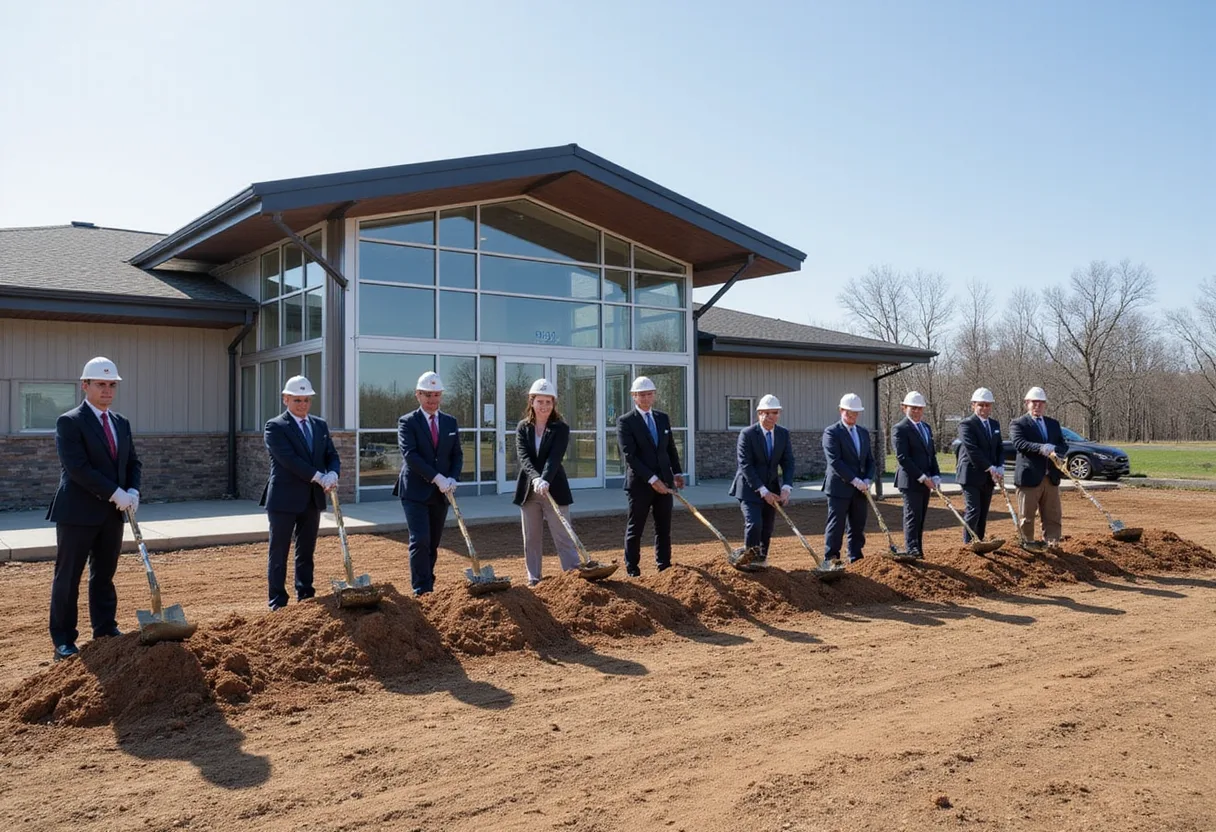
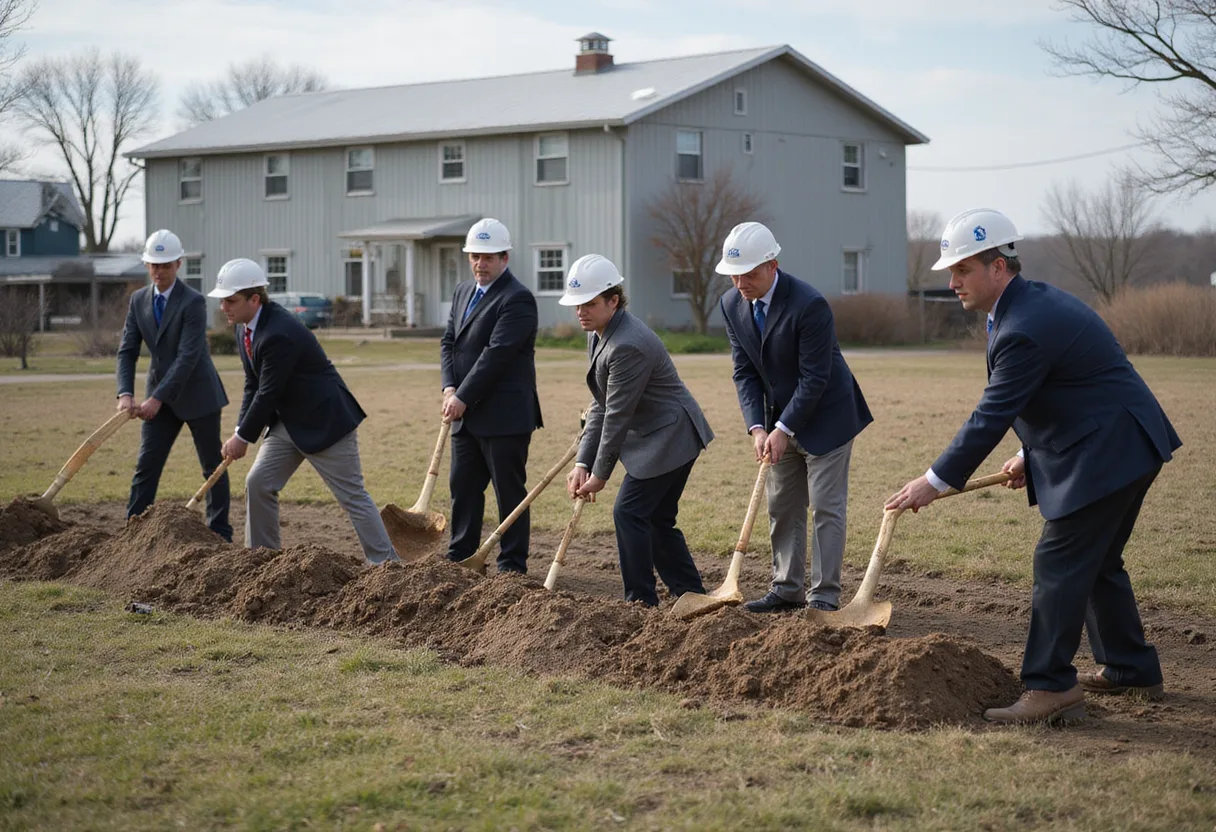
Penn Vet broke ground Oct. 2 on a $94 million, 63,000-square-foot Veterinary Diagnostic Laboratory at New Bolton Center in Kennett Square, Pa., consolidating two state animal-health programs under one roof.
Updated
Penn Vet broke ground Oct. 2 on a $94 million, 63,000-square-foot Veterinary Diagnostic Laboratory at New Bolton Center in Kennett Square, Pa., consolidating two state animal-health programs under one roof and tying the facility directly into Pennsylvania's $132 billion agriculture industry.
The facility will house the New Bolton Center diagnostic laboratory and the Pennsylvania Equine Toxicology Research Laboratory, or PETRL. Both programs run under the University of Pennsylvania School of Veterinary Medicine and receive support from the Pennsylvania Department of Agriculture.
Pennsylvania Agriculture Secretary Russell Redding and Dr. Andrew M. Hoffman, dean of Penn Vet, attended the Oct. 2 groundbreaking ceremony. Hoffman leads the veterinary school that operates the 700-acre New Bolton Center, Penn Vet's large-animal campus in Chester County.
The lab is built to compress diagnostic turnaround, support surveillance of emerging threats, and backstop work in animal health, food safety, and equine toxicology. Penn Vet framed the investment as a direct line to farmers, with the goal of stronger protection for livestock, operations, and farm investments.
What programs will the lab house?
The 63,000-square-foot building brings two operationally distinct programs into one footprint:
- The existing New Bolton Center diagnostic laboratory, which processes clinical submissions from practicing veterinarians.
- The Pennsylvania Equine Toxicology Research Laboratory, which supports horse racing regulators and handles toxicology work tied to medication rules and post-mortem screening.
Who does the lab actually serve?
Four client groups, drawn from the announcement:
- Agricultural producers across Pennsylvania.
- Practicing veterinarians, with concentration in southeastern Pennsylvania.
- State public health officials.
- Horse racing regulators, through PETRL's existing mandate.
What changes at the exam table and in the barn?
Diagnostic turnaround drives every downstream decision in an outbreak — quarantine, vaccination, depopulation, and movement controls. A co-located facility with shared intake and processing shortens that pipeline for routine submissions, surveillance samples, and acute events.
For equine practitioners, placing PETRL adjacent to general diagnostics reduces handoff delays for toxicology cases flagged through clinical workup. For food-animal veterinarians, dedicated capacity frees turnaround bandwidth for surveillance submissions that often queue behind urgent private work.
For farmers, the operational promise is faster rule-in or rule-out of infectious disease and tighter protection of herd-level economics when a regulatory action looms.
Where does this fit in the campus redevelopment?
New Bolton Center treats thousands of animals each year and serves farms throughout southeastern Pennsylvania. The diagnostic lab is the second major facility to open or break ground under the current redevelopment; the Gail P. Riepe Center for Advanced Veterinary Education recently opened as the first.
What is the funding picture?
The Pennsylvania Department of Agriculture backs the project. No FDA CVM or USDA-APHIS filings were named in the announcement. The lab sits within state-supported university infrastructure rather than federal regulatory channels, and day-to-day operations will run under the veterinary diagnostic accreditation already held across Penn Vet.
The Oct. 2 groundbreaking starts construction on a facility designed to define New Bolton Center's diagnostic throughput for decades, with a completion date and operational launch to be set in subsequent state and university announcements.
Original: bucksco.today
Amara Osei
Show full bio
Correspondent covering companies, deals and strategy in Small- and large-animal clinical practice at The Vet Scope.
Related articles
New Bolton Center Breaks Ground on $94M Diagnostic Laboratory
Penn Vet Breaks Ground on $94 Million Chester County Lab
Penn State Breaks Ground on $65 Million Animal Diagnostic Lab
New Bolton Center Breaks Ground on $94M Diagnostic Lab
Penn State, PDA break ground on Animal Diagnostic Laboratory expansion