Penn State, PDA break ground on Animal Diagnostic Laboratory expansion
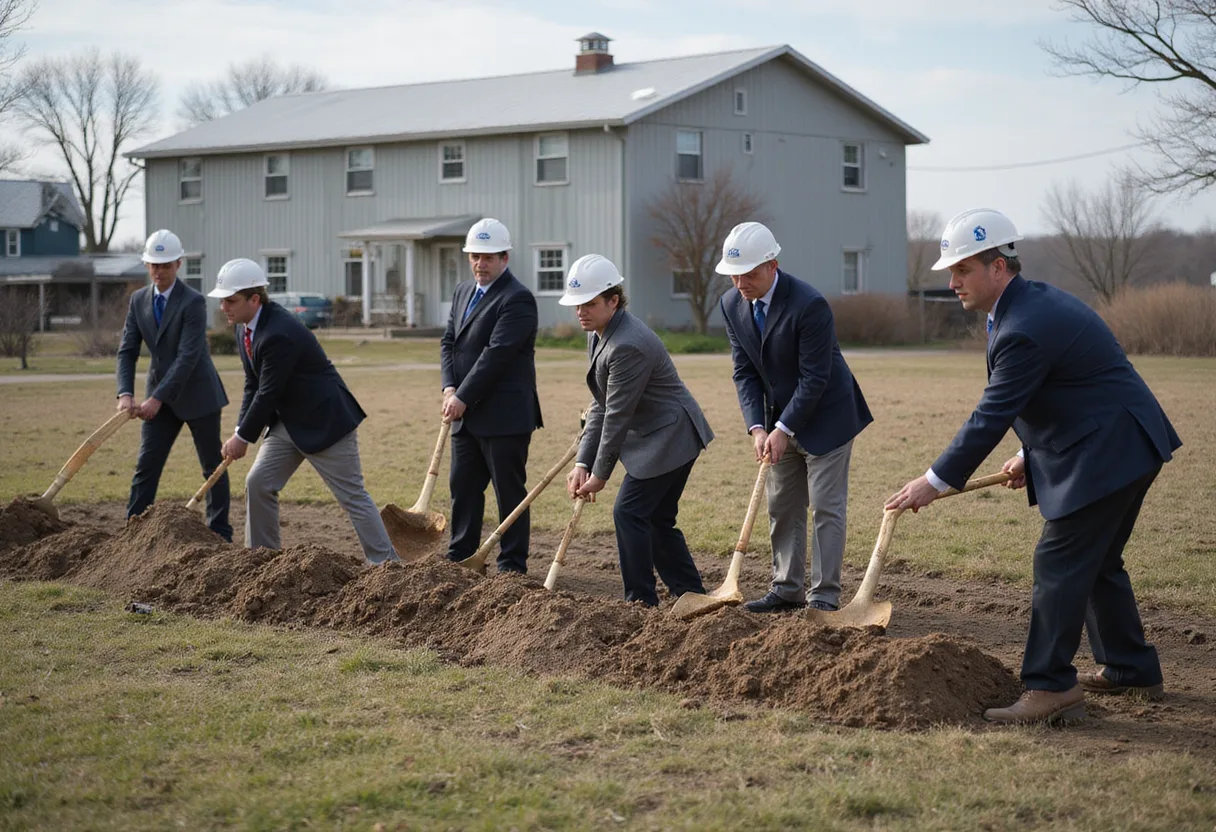
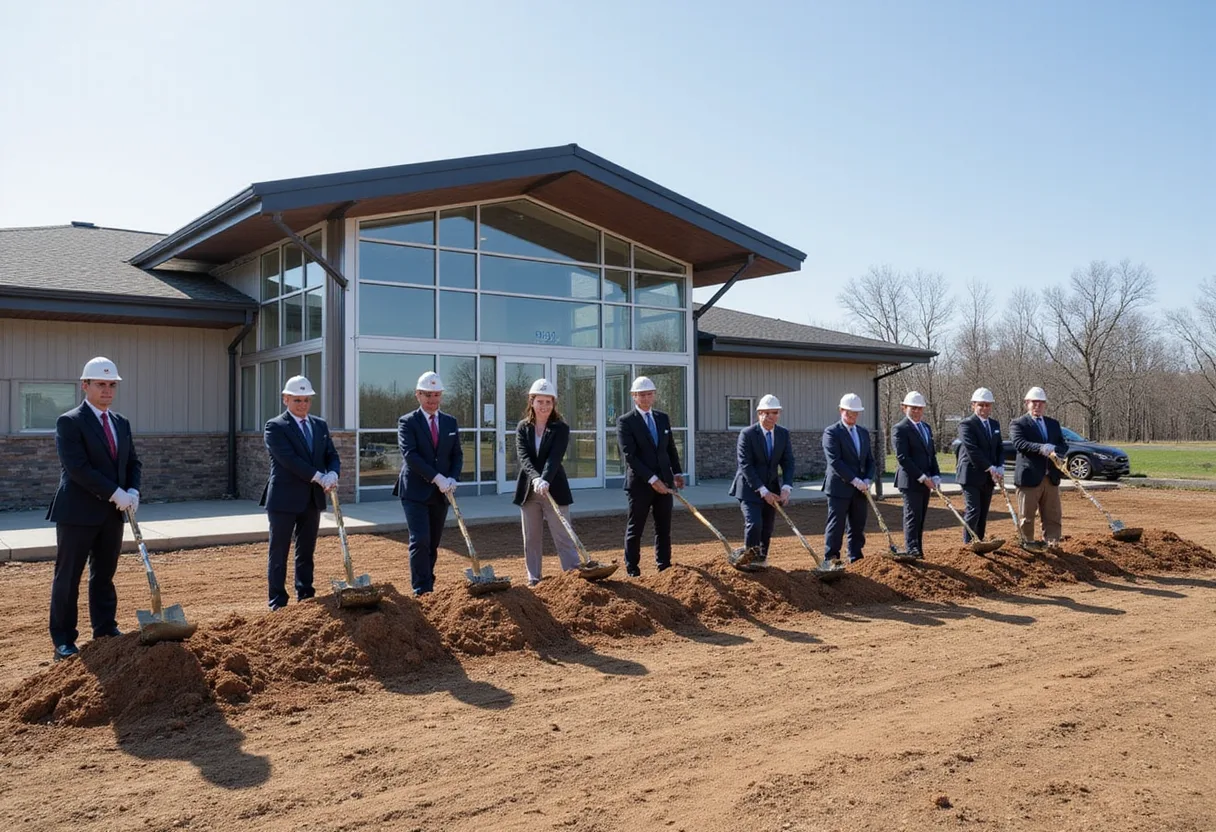
Penn State University and the Pennsylvania Department of Agriculture broke ground on an expansion of the university's Animal Diagnostic Laboratory, the university announced.
Updated
Penn State University and the Pennsylvania Department of Agriculture (PDA) broke ground on an expansion of the university's Animal Diagnostic Laboratory, the university announced.
The project adds physical capacity at a facility that anchors veterinary diagnostic services for the Commonwealth. Penn State operates the laboratory in cooperation with PDA, coupling the state's agricultural regulator with an academic veterinary infrastructure that serves practicing veterinarians, livestock producers, companion-animal owners, and the state's animal-disease surveillance network.
What does the Animal Diagnostic Laboratory do?
The Animal Diagnostic Laboratory anchors Penn State's Animal Diagnostic Laboratory System (ADLS), which receives diagnostic submissions from across Pennsylvania and the surrounding region. Services include necropsy, microbiology, molecular diagnostics, serology, toxicology, and histopathology. The lab also processes regulatory samples required for interstate livestock movement, exhibition animals, and disease-program certification, and supports surveillance testing for both endemic and emerging pathogens.
Pennsylvania's ADLS operates within the national network of state animal diagnostic laboratories that support the USDA's National Animal Health Laboratory Network (NAHLN) and the state's response posture for notifiable diseases.
Why expand now?
Diagnostic-sample volumes at U.S. state laboratories have grown steadily over the past decade, driven by increased livestock production, expanded regulatory surveillance, and recurring outbreaks of notifiable diseases such as highly pathogenic avian influenza (HPAI) and chronic wasting disease (CWD). Pennsylvania ranks among the leading livestock-producing states in the Northeast, with substantial dairy, poultry, beef, and swine sectors. The state has documented ongoing HPAI detections in poultry and wild birds, recurrent CWD-positive findings in captive and wild cervids, and continued surveillance for bovine tuberculosis and brucellosis.
Capacity constraints at existing facilities can lengthen turnaround times on routine submissions and create bottlenecks during outbreak response, delaying both clinical decisions and regulatory actions.
What changes for practicing veterinarians?
For companion-animal practitioners, expanded laboratory capacity typically translates into faster turnaround on routine submissions — chemistry profiles, cytology, and microbiology — and shorter queues during periods of regional disease activity. For food-animal veterinarians and producers, the operational impact is more direct: faster results on regulatory samples affect interstate movement permits, auction-market access, and herd-health decisions tied to disease-program certification. Submissions tied to show and exhibition animals, an active sector in Pennsylvania, also stand to benefit from shortened processing times.
The expansion may also add specialized testing capacity, such as additional molecular-diagnostic platforms or biosafety-level workspace, although Penn State and PDA have not yet released equipment-level details in the public materials available.
What is the public-health connection?
Animal diagnostic laboratories are the front line of zoonotic-disease surveillance. Expanding capacity at a NAHLN-affiliated facility in a state with substantial dairy, poultry, and swine production strengthens the ability to detect and respond to pathogens that can move from animals to humans — including HPAI, bovine tuberculosis, brucellosis, and emerging swine-origin influenza strains.
Diagnostic capacity also supports antimicrobial-resistance surveillance and foodborne-pathogen testing programs that sit at the intersection of animal health, food safety, and human health.
What about workforce implications?
Expansion of a university-affiliated diagnostic laboratory typically creates training opportunities for veterinary students, pathology residents, and diagnostic-laboratory staff. Additional bench space and equipment can support expanded residency programs, continuing-education workshops, and applied research in veterinary diagnostics — a workforce-development benefit for a state where demand for veterinary technicians and diagnosticians has outpaced supply.
What happens next?
With the groundbreaking complete, the project moves into construction. Penn State and PDA have not yet released project cost, square-footage figures, or a completion timeline in the public materials available at the time of the announcement. Once those specifications are published, the veterinary and producer community in Pennsylvania will be able to assess whether the expansion produces the throughput gains the state's diagnostic caseload requires.
Source: Google News: Veterinary medicine
Amara Osei
Show full bio
Correspondent covering companies, deals and strategy in Small- and large-animal clinical practice at The Vet Scope.
Related articles
Penn State and Pennsylvania Agriculture Break Ground on Diagnostic Lab Expansion
Penn State Breaks Ground on $65 Million Animal Diagnostic Lab
UPenn Breaks Ground on $94 Million Pennsylvania Veterinary Diagnostic Laboratory
Penn Vet Breaks Ground on State-Funded Diagnostic Laboratory
New Bolton Center Breaks Ground on $94M Diagnostic Laboratory