Canada Puts $3.1 Million Into Swine Health Surveillance
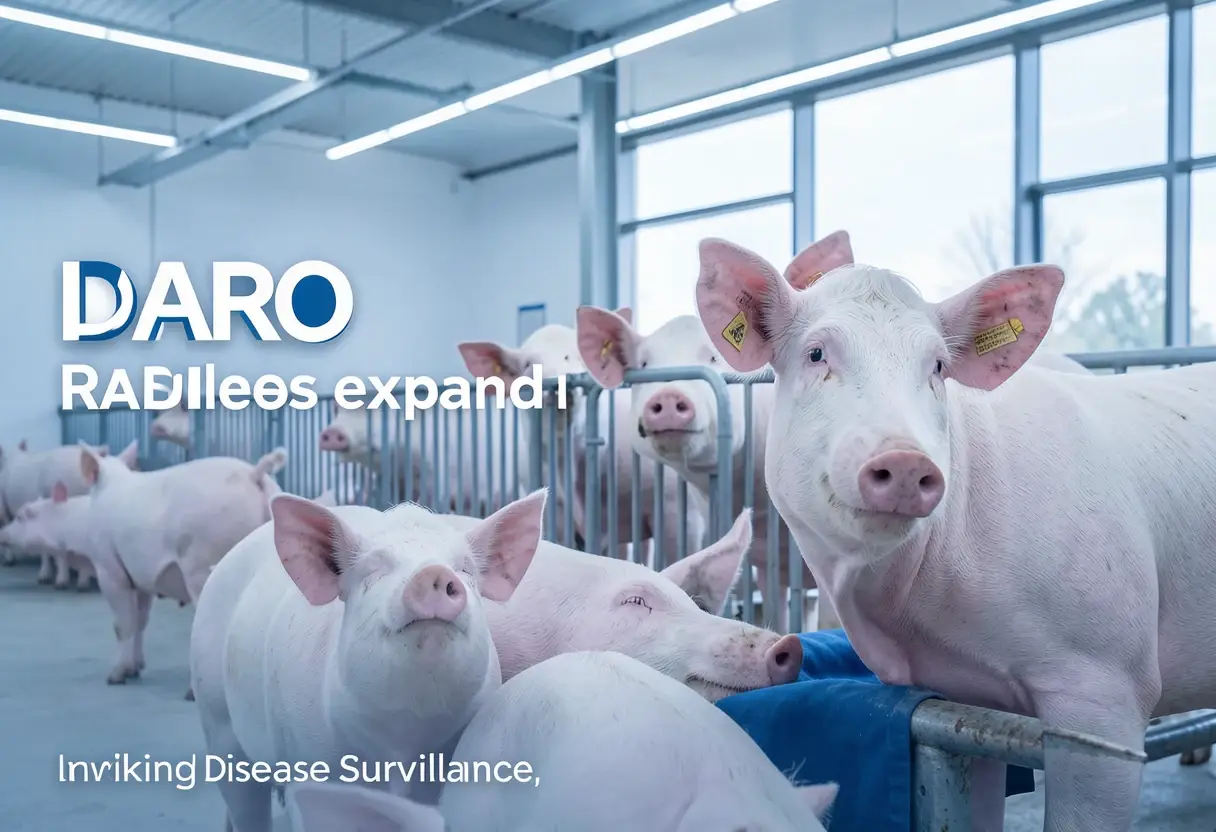
Canada has committed $3.1 million to swine health surveillance, strengthening early disease detection across a hog sector tightly linked to U.S. herds through trade.
Updated
Photo: Sonyuser / pixabay
Canada has committed $3.1 million to swine health surveillance, a funding decision that directly affects how quickly producers and veterinarians on this side of the border learn about disease movements in the North American hog herd.
The investment, reported by National Hog Farmer, channels federal money into monitoring programs that track pathogens and health conditions across Canadian pig operations. For swine practitioners in the United States, the number matters because Canadian and American herds are tightly linked through live animal trade, semen movement, and integrated packing capacity.
What does the funding change?
Surveillance money changes one thing above all: speed. When a monitoring system has dedicated dollars behind it, samples get collected, tested, and reported on a predictable schedule rather than when crisis forces the issue. That difference shows up at the farm gate.
For veterinarians servicing swine clients, stronger Canadian surveillance means:
- Earlier signals on foreign animal disease preparedness, including African swine fever readiness across the continent
- Better data on endemic disease trends that cross borders with animal movement
- A stronger evidence base for regional herd health planning and biosecurity audits
The $3.1 million figure anchors the commitment. National Hog Farmer reported the investment as a targeted federal outlay for swine health surveillance, placing the program within Canada's broader animal health infrastructure.
Why should U.S. practitioners care?
Disease does not stop at the border. The North American swine sector operates as a single epidemiological landscape in practice, with finished hogs and feeder pigs moving between provinces and states, and slaughter plants drawing animals from both countries.
A surveillance gap in one jurisdiction becomes everyone's blind spot. Canadian investment in detection capacity therefore strengthens the shared early-warning system that practitioners, producers, and state and provincial veterinarians rely on when a new pathogen or an unusual outbreak pattern appears.
Food-animal implications come first here. Healthier monitoring protects market access for exporters, supports herd productivity metrics, and reduces the chance of a late detection that forces broad movement restrictions. Public-health implications follow the same logic: robust surveillance for zoonotic and emerging pathogens in livestock populations is a recognized front-line defense.
The money and the message
Three point one million dollars will not rebuild an entire surveillance architecture. It does, however, signal that swine health monitoring remains a federal priority in Canada at a time when foreign animal disease preparedness dominates industry planning across North America.
For practice-level decision-making, the funding supports continuity of the data streams that feed herd health databases, diagnostic lab reporting, and industry-wide disease dashboards. Veterinarians who use those tools should expect continued, and potentially improved, coverage from Canadian monitoring systems as the money flows through.
National Hog Farmer's report frames the investment as part of Canada's ongoing work on swine health. As the programs funded by this commitment roll out, cross-border coordination on disease detection will likely strengthen, giving North American swine veterinarians a clearer shared picture of herd health threats.
Source: Google News: Livestock health
Elena Vasquez
Show full bio
Market editor covering money, funding and market shifts around Small- and large-animal clinical practice at The Vet Scope.
Related articles
DARO Raises $2.5M to Expand Swine Disease Surveillance
EU clears €73 million to combat avian influenza, swine fever
Animal Health Gets as Little as 0.6% of Global Health Spending
UK Commits £54 Million to Biosecurity Research for Livestock Disease
Global leaders commit to stronger animal health preparedness