Global leaders commit to stronger animal health preparedness
National Hog Farmer surfaced a headline declaring global leaders united on animal health preparedness. The report carries no named signatories, dollar figures, or binding timeline, leaving farm-level implications open until the venue, parties, and budget are named.
Updated
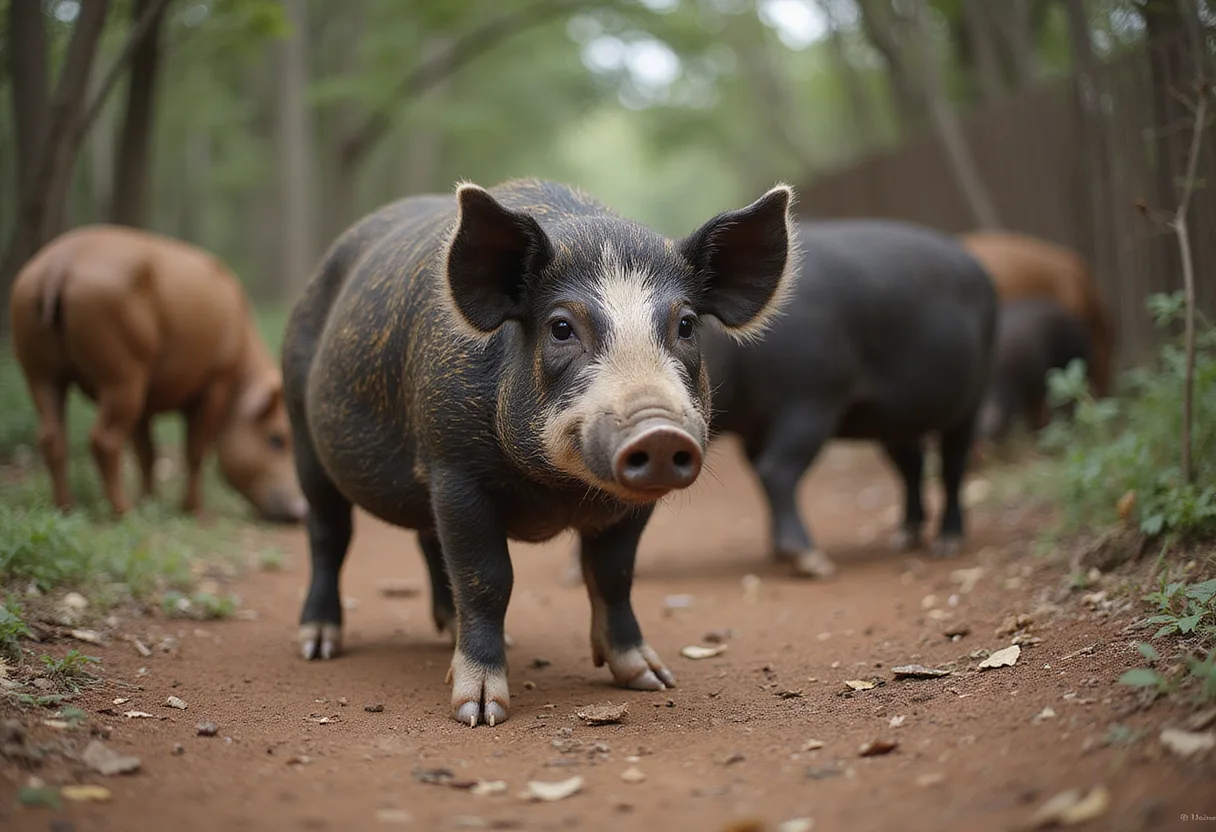
Photo: AI-generated
National Hog Farmer is reporting that global leaders have united around a push to strengthen animal health preparedness — a development the publication surfaced but did not yet flesh out with named signatories, dollar figures, or a binding timeline.
The headline, carried through the outlet's news feed, sets the direction. The mechanism remains to be filed.
For the livestock sector, preparedness has a specific shape. Outbreaks of African swine fever in Asia and Eastern Europe, recurring foot-and-mouth disease incursions, and the spread of highly pathogenic avian influenza across wild birds, poultry, and dairy cattle each tested national surveillance and trade-response systems in recent years.
A unified international posture typically funnels through three channels: the World Organisation for Animal Health, which sets inter-territorial trade and disease-notification standards; the Food and Agriculture Organization, which coordinates regional laboratory and field capacity; and the World Health Organization, which handles zoonotic spillover risk.
The Global Health Security Agenda and the One Health Joint Plan of Action, signed in 2022 by FAO, WOAH, WHO, and UNEP, supply the policy scaffolding most recent preparedness pledges are built on.
A new push that explicitly groups major livestock-disease categories under one banner changes three things at the farm gate.
First, it tends to shorten notifiable-disease reporting windows, which directly affects movement restrictions during an outbreak.
Second, it usually widens the menu of banked diagnostics and vaccines available to veterinary services, including antigen reserves for foot-and-mouth and stockpiled vaccines for classical swine fever.
Third, it nudges regional zoning agreements — the mechanism that lets a country keep exporting from an unaffected region while another burns.
The announcement lands against an industry backdrop worth naming. U.S. pork producers exported $7.72 billion of product in 2024, according to USDA Foreign Agricultural Service data, and any preparedness architecture that touches export certification flows back into the per-head value of every market hog.
Swine veterinarians watch notifiable-disease lists the way cattle practitioners watch trichomonosis regulations: tightly, and because legislative draft language moves shifts in the chute and at the truck wash.
What does the announcement actually commit to?
That is the open question the headline raises and the one the source does not resolve. "Unite" can mean a non-binding ministerial declaration, a funded action plan, or a treaty-style instrument with verification. Each carries a different price tag, a different shelf life, a different effect on the practitioner in the barn.
The species split matters here too. Companion-animal practitioners see the downstream effect when zoonotic spillover drives policy budgets toward livestock surveillance; food-animal veterinarians feel the immediate weight of notifiable lists, zoning, and export certification; public-health agencies inherit the laboratory and reporting burden. The same announcement hits all three queues differently.
Where does the news sit on the regulatory timeline?
National Hog Farmer surfaced the item through a syndicated news feed. The underlying press release, host organization, and date of release are not specified in the source. Without those anchors, the story cannot be matched to an existing preparedness framework's revision cycle.
WOAH's General Session convenes each May. The FAO's regional conferences rotate through the calendar year. The G7 and G20 agriculture tracks have each carried animal-health language in recent communiqués. The unnamed announcement fits the pattern of any of them.
The practitioner takeaway is straightforward. Whether the unification is rhetorical or operational, the diagnostic and surveillance infrastructure it gestures at is already what state veterinarians, federal Area Veterinarians in Charge, and accredited private practitioners plug into during an outbreak. The variable is funding, not architecture.
For now, the story is a flag, not a finding. National Hog Farmer has marked the development; the field-level implications wait on a press release that names the venue, the parties, and the budget.
Source: Google News: Livestock health
Grace Kim
Show full bio
Staff writer covering regulation, policy and their impact on Small- and large-animal clinical practice at The Vet Scope.
Related articles
New PREVENT Forum Targets Stronger Livestock Disease Defense
Animal Health Gets as Little as 0.6% of Global Health Spending
Caribbean Nations Step Up African Swine Fever Preparedness
WHO launches joint action to reduce zoonotic disease risks in Indonesia
BVA's New President Targets National Disease Preparedness