Rare Russian Trotter Saved by Pioneering Penn Vet Surgery
A rare Russian trotter is recovering after pioneering surgeons at the University of Pennsylvania's vet school relieved a condition threatening one of the world's rarest equine breeds.
Updated
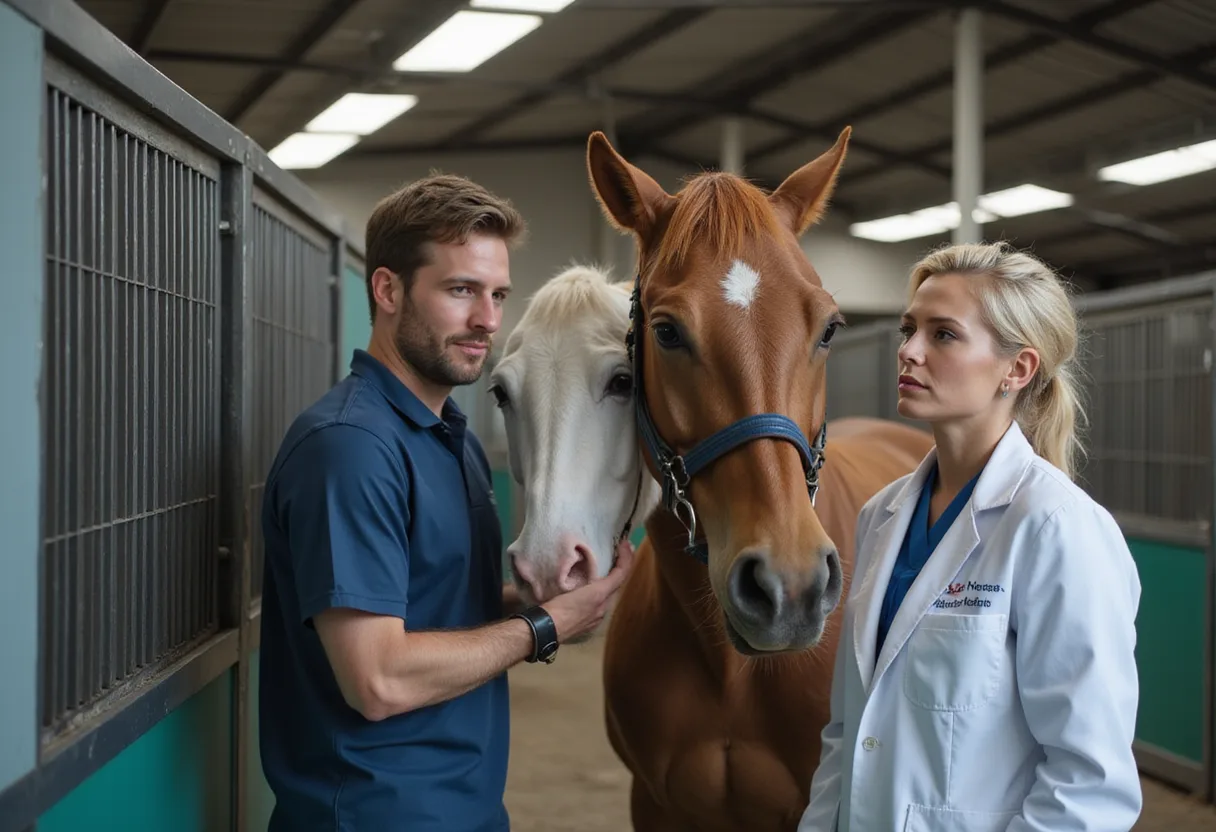
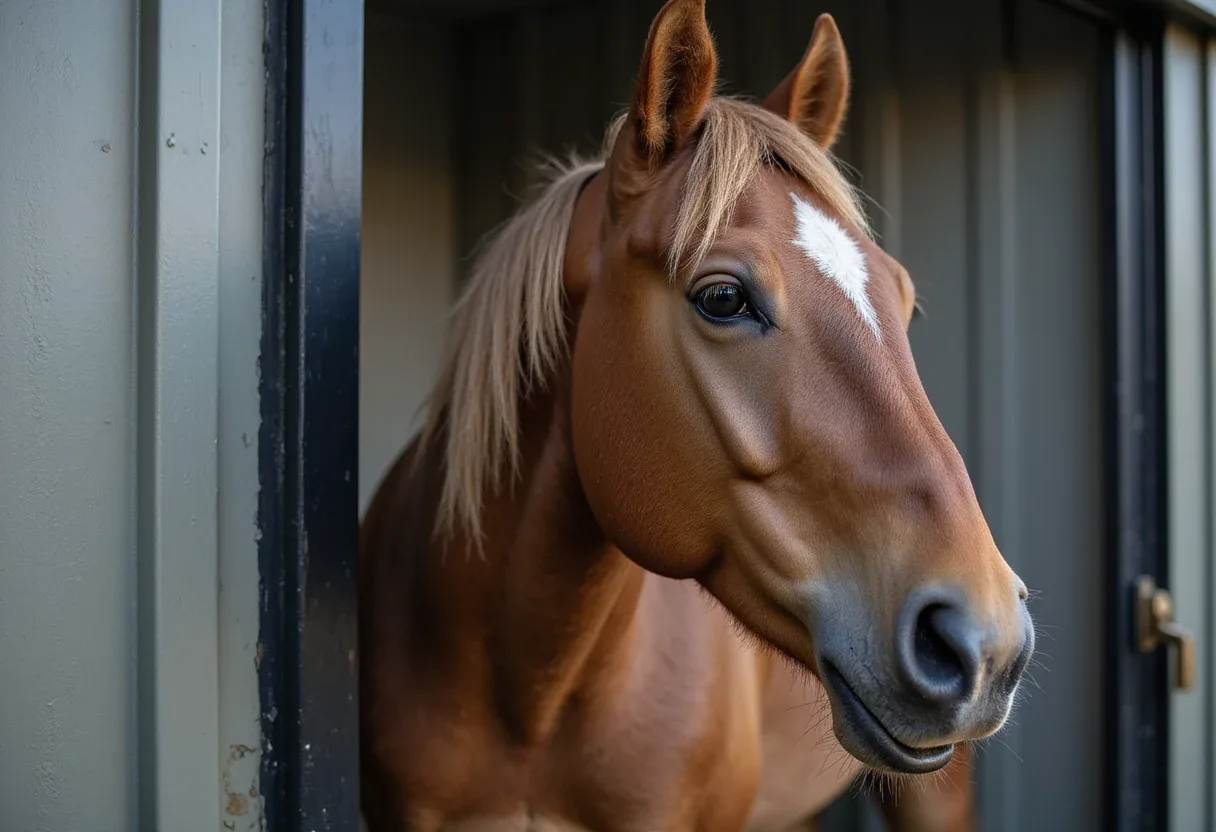
Photo: AI-generated
A rare Russian trotter is recovering after a pioneering surgery performed at the University of Pennsylvania's School of Veterinary Medicine, Penn Today reports — an operation that gave the horse relief from a condition its breed can little afford to lose another animal to.
The patient belongs to one of the rarest equine populations in the world. Russian trotters and their foundational breed, the Orlov trotter, trace to late-18th-century Russia, where Count Alexei Orlov developed a harness horse famed for speed and endurance. Today the breed's global numbers are small, which places a premium on every individual animal that can be returned to health — and, potentially, to the breeding pool.
Penn Vet's clinicians took the case to surgery, and the procedure succeeded in relieving the horse's condition. The school did not present the operation as routine. Penn Today described it as pioneering, a word the veterinary profession reserves for interventions without an established playbook.
What does a rare-breed surgery mean for referring practices?
For equine practitioners in the field, the case carries a practical message: when a client presents a valuable or genetically significant horse with a condition that exceeds ambulatory capabilities, referral to a surgical institution with the capacity to attempt novel procedures can change the outcome from loss to recovery.
Penn Vet, based in Philadelphia, operates one of the leading large-animal hospital services in the United States. Its surgeons routinely handle referred equine cases from across the region, and the New Bolton Center campus in Kennett Square, Pennsylvania, serves as the school's large-animal facility.
Why the breed matters
Rare-breed cases concentrate stakes. When a common breed loses an animal to disease, the demographic effect is negligible. When a breed with limited worldwide numbers loses one, the gene pool narrows. Veterinary intervention in such animals carries weight beyond the individual patient — a point conservation-minded breeders and their veterinarians weigh when they consider the cost and risk of advanced surgery.
A successful pioneering procedure on a rare Russian trotter therefore serves two audiences at once. It returns one horse to soundness. It also adds to the surgical record a documented case that future surgeons can consult when a similar patient arrives at their table.
The referral picture
The case also illustrates the structure of modern equine medicine. General practitioners stabilize, image, and evaluate; referral hospitals operate. The decision to refer a rare or high-value patient early — before a condition deteriorates — often determines whether surgery remains an option at all. Equine veterinarians who follow Penn Vet's casework will recognize the pattern: the school publishes outcomes precisely so that referring doctors can calibrate their own thresholds for sending a horse to Philadelphia.
For the trotter, the immediate outcome is relief. What follows — return to work, return to breeding, long-term soundness — will unfold over the coming months, and Penn Vet's clinicians will monitor it as they would any pioneering case.
Penn Today's report signals that the horse has cleared the first and steepest hurdle: the operation itself succeeded, and the animal is on the mend.
Source: Google News: Veterinary medicine
Nathan Brooks
Show full bio
Senior reporter covering companies, deals and strategy in Small- and large-animal clinical practice at The Vet Scope.
Related articles
Equine Veterinarians Are Leaving the Profession in Growing Numbers
What Today's Veterinarians Want in a Job Offer
New Market Report Tracks Growth in Companion Animal Care and Diagnostics
Bohannon Receives Regulatory Veterinarian Fellowship, BloodHorse Reports
EquiManagement Maps the State of Equine Practice for 2026