New Market Report Tracks Growth in Companion Animal Care and Diagnostics
A newly released market report identifies companion animal care and diagnostic services as the leading growth segments shaping investment decisions at veterinary clinics.
Updated
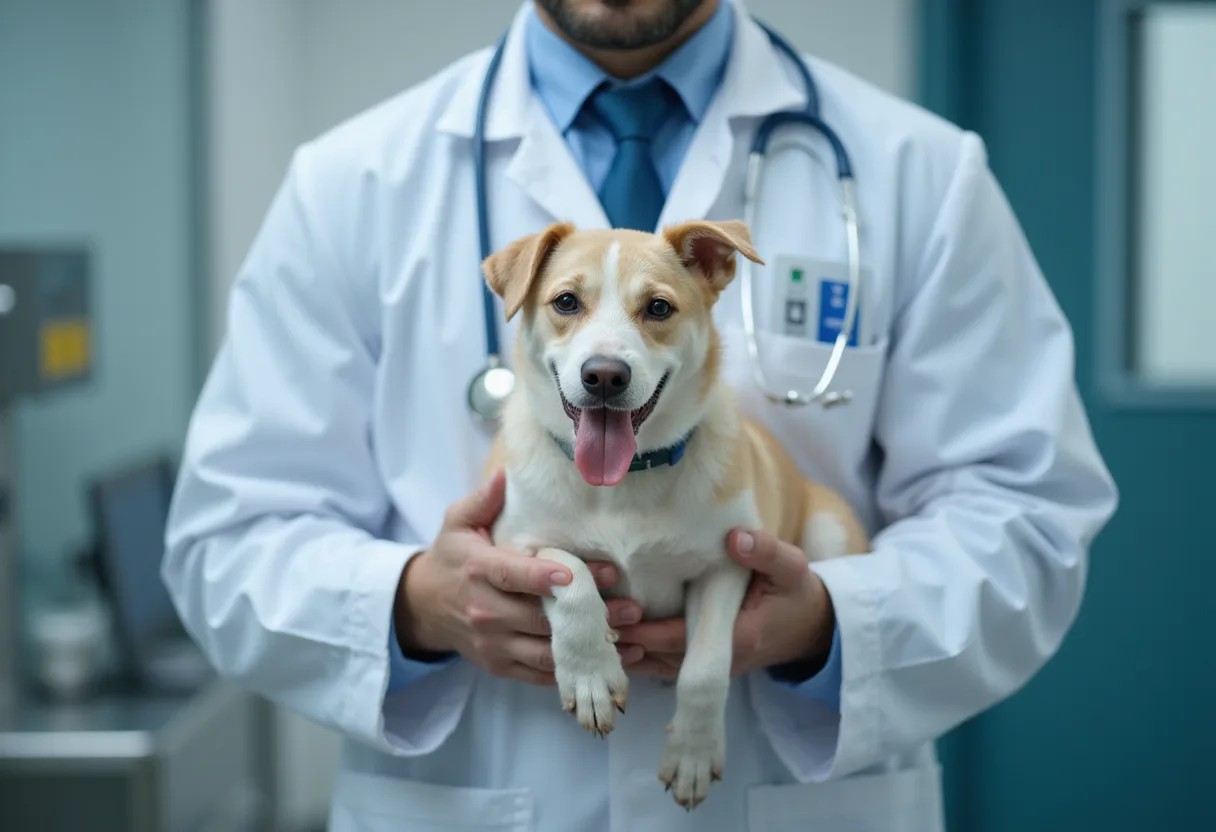
Photo: AI-generated
A new market report on veterinary clinics, released via GlobeNewswire, analyzes growth patterns in companion animal care and diagnostic services — the two segments analysts identify as the principal engines of practice-level revenue expansion.
The report frames veterinary clinics as the operational core of animal health delivery, spanning small-animal hospitals, mixed practices, and specialty and emergency facilities. Its central focus is the companion animal sector, where sustained client spending on preventive care, chronic disease management, and advanced diagnostics continues to reshape how clinics allocate staff, equipment, and floor space.
What the analysis covers
The report examines the veterinary clinics market as a whole, with dedicated attention to two growth areas:
Companion animal care. The analysis positions small-animal medicine as the demand backbone of the sector. Clinics in this segment face rising case complexity — pets living longer, owners opting into more sophisticated treatment, and chronic conditions such as renal disease, osteoarthritis, and endocrine disorders requiring ongoing management rather than episodic intervention.
Diagnostic services. The report highlights diagnostics as a distinct growth category within clinic operations. In-house laboratory capability, imaging, and point-of-care testing increasingly determine which services a practice can deliver without external referral. For clinic owners, the question the report puts forward is straightforward: invest in on-site diagnostic capacity or route cases to third-party reference labs and specialty centers.
What changes at the practice level
For veterinarians and practice managers, the report's relevance lies less in aggregate market sizing than in its signal about where revenue is concentrating. If companion animal care and diagnostics are the identified growth segments, the practical implications touch daily operations:
- Diagnostic equipment purchasing decisions — analyzers, imaging systems, point-of-care platforms — move from capital expense to competitive necessity in many markets.
- Staffing models shift toward technicians and support staff who can run and interpret in-house diagnostics efficiently.
- Clinic design and workflow must accommodate longer, more complex companion-animal visits rather than high-volume appointment schedules alone.
The report arrives at a moment when clinic owners across North America and Europe are weighing consolidation offers from corporate groups against independent operation. Growth concentrated in diagnostics strengthens the position of practices that already own that infrastructure, because acquirers and lenders typically value equipment-backed service lines more highly than those dependent on referral.
Species and sector split
The analysis is companion-animal focused. It does not center food-animal or production medicine practice, and it carries no direct public-health dimension. For food-animal practitioners, the report's relevance is indirect: competition for veterinary labor increasingly plays out in the companion-animal clinic segment the report describes, and hiring pressure in that sector shapes availability of mixed-practice and large-animal veterinarians in rural markets.
Reading market reports with an editor's eye
Clinicians should treat any single market analysis as one data point rather than a directive. What this report does establish is that independent analysts continue to identify the same two levers — companion animal demand and diagnostic service capacity — as the growth story of the veterinary clinic sector. That consistency across industry coverage matters when practices plan multi-year capital investments.
The report is commercially available through GlobeNewswire distribution, and practices weighing diagnostic expansion or evaluating acquisition interest may find its segment-level detail useful as a benchmarking input alongside their own practice-management data.
As companion animal caseloads grow more medically complex, the clinics that capture that growth will likely be those that pair diagnostic capability with the staffing and workflow to use it — a balance the market will continue to test and price in the years ahead.
Source: Google News: Animal health industry
Elena Vasquez
Show full bio
Market editor covering money, funding and market shifts around Small- and large-animal clinical practice at The Vet Scope.
Related articles
Rising Veterinary Costs Strain Pet Owners and Clinics in Upper Valley
CSU Opens Expanded Primary Care Suite for Veterinary Training
Rising Veterinary Costs Strain Upper Valley Pet Owners and Clinics
Medneo Acquires Burgess Diagnostics to Enter UK Veterinary Imaging
National Veterinarian Shortage Is Delaying Pet Appointments in Richmond