Sonora Screwworm Finding Puts Arizona Cattle Port Reopening on Watch
AVMA reports a screwworm detection in Sonora, Mexico, putting the planned reopening of an Arizona border port to cattle imports on watch and prompting tighter cross-border biosecurity review.
Updated
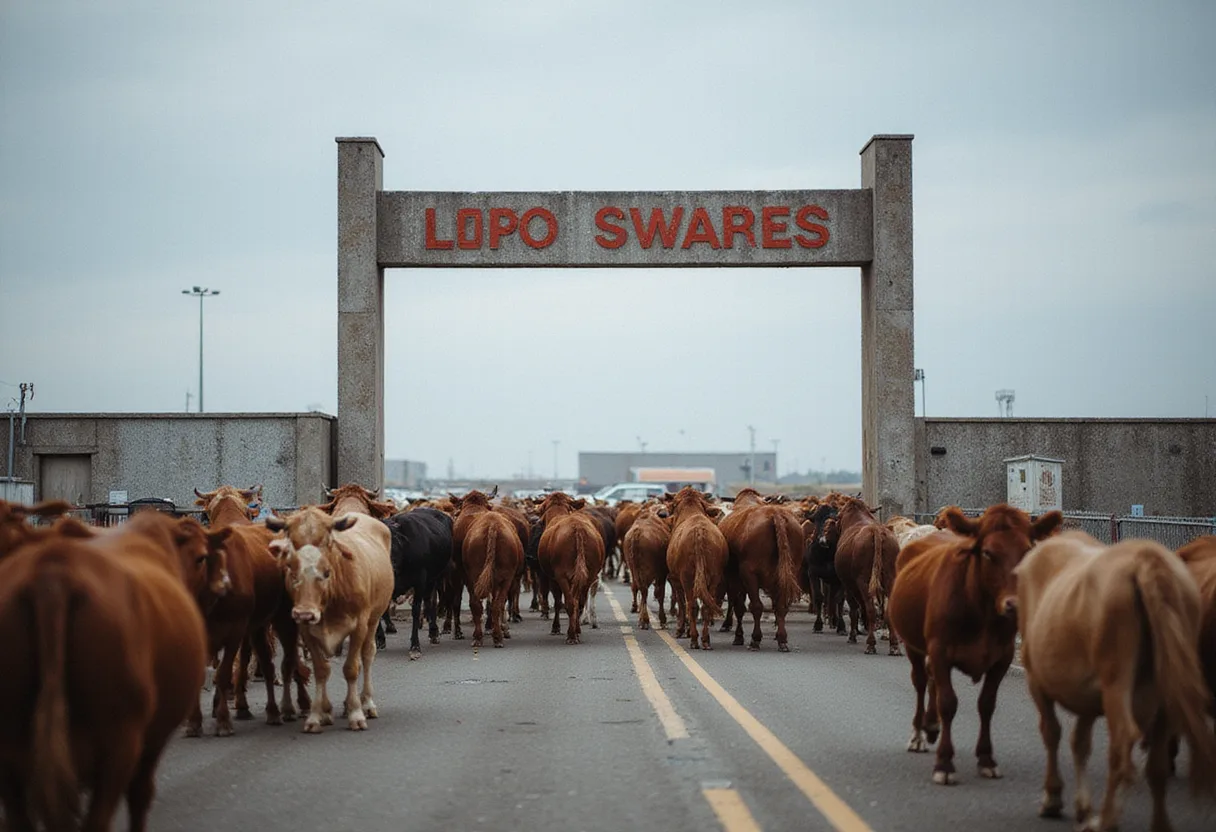
Photo: AI-generated
A screwworm detection in the Mexican state of Sonora has placed on watch the planned reopening of an Arizona border port to cattle imports, the American Veterinary Medical Association reported.
The finding, surfaced through AVMA's news service, links a confirmed screwworm case in Sonora to the operational status of Arizona livestock import points. Port reopening schedules that assumed continued screwworm-free status in northern Mexico now face additional review before live cattle movement resumes across the border.
What does the Sonora finding change for the border?
Arizona livestock ports operate under conditions tied to screwworm status in neighboring Mexican states, a regulatory framework that has governed cross-border cattle trade for decades. A detection in Sonora, a state sharing a long boundary with Arizona, resets that operational calculus. Any port being prepared to accept cattle must now accommodate additional surveillance measures, possible quarantine steps, or treatment requirements before import clearance proceeds.
The finding carries weight because Sonora sits within the U.S.–Mexico cattle supply corridor. Producers, feedlot managers, and veterinary practitioners along the border route depend on predictable port operations to move feeder cattle, breeding stock, and slaughter animals on seasonal schedules.
What does screwworm mean at the herd level?
New World screwworm (Cochliomyia hominivorax) larvae infest living tissue in warm-blooded animals. The fly lays eggs in open wounds or mucous membranes, and larvae feed on living tissue as they develop. An infested animal shows expanding wounds, foul discharge, and progressive deterioration within days of egg deposition.
Veterinarians encountering suspected screwworm cases must report to state and federal animal health authorities, treat affected animals under direct veterinary supervision, and identify in-contact animals for tracing. Movement restrictions typically follow a confirmed case, and the regulatory response scales with outbreak extent.
The economic cost of an unchecked screwworm outbreak in a commercial herd accumulates across treatment expenses, animal losses, regulatory quarantines, and trade interruptions. Producers along the Arizona corridor have built biosecurity protocols around the assumption that North American cattle remain free of the pest, an assumption the Sonora finding now challenges at the regional level.
What regulatory bodies are watching the case?
The Sonora detection will draw review from USDA's Animal and Plant Health Inspection Service (APHIS), which sets port-by-port import conditions and coordinates with Mexico's SENASICA on screwworm surveillance. State animal health officials in Arizona will also assess movement documentation requirements and any producer-level reporting changes.
The bilateral Screwworm Eradication Program, jointly operated by USDA and Mexican agricultural authorities, has kept North American livestock screwworm-free for decades through sterile fly release. A detection in Sonora triggers an assessment of buffer zone integrity and surveillance intensity in adjacent Mexican states.
What remains unknown?
The AVMA report does not specify the detection date, the precise location within Sonora, the affected host species, or the surveillance method that identified the case. Without those details, the operational impact on Arizona port reopening cannot be precisely modeled. Veterinary practitioners and producers should expect tighter movement documentation requirements in the coming weeks and should counsel clients to inspect cattle for wound sites before any cross-border movement.
What is the forward outlook?
USDA APHIS announcements on Arizona port status, paired with SENASICA surveillance updates from Sonora and adjacent states, will set the timeline for any reopening. Continued negative findings would allow the planned port reopening to advance; further detections would tighten restrictions further. Border-state veterinary associations and producer groups will track the latest regulatory announcements as they emerge from Washington and Mexico City, with port operational status expected to shift on short notice.
Source: Google News: Livestock health
Nathan Brooks
Show full bio
Senior reporter covering companies, deals and strategy in Small- and large-animal clinical practice at The Vet Scope.
Related articles
US Reopens Another Port to Mexican Cattle as Screwworm Cases Persist Nearby
Mexico Reports Coordinated Screwworm Action in Chihuahua, Sonora
Second Screwworm Case Confirmed in Texas Cattle Region
New World Screwworm Advances North in Mexico, Texas On Alert
New World Screwworm Reaches Northern Mexico, CDC Alert Says