New World Screwworm Returns to Texas, First Detection Since 1966
Texas has confirmed a New World screwworm case for the first time since 1966, ending a 59-year absence. Montana has issued an animal health order in response. Practitioners should review larval surveillance and reporting paths immediately.
Updated
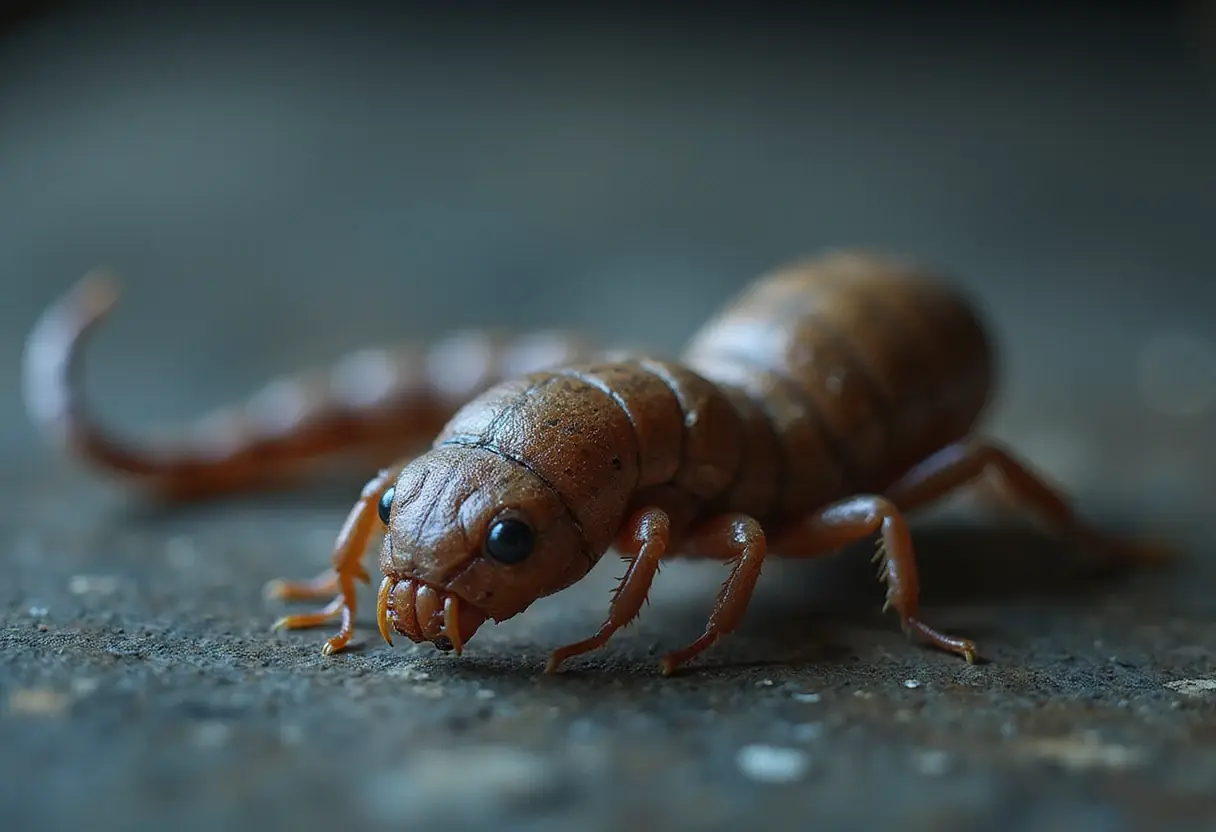
Photo: AI-generated
Texas has confirmed a case of New World screwworm for the first time since 1966, ending a 59-year absence of the parasite from the state. Montana has issued a parallel animal health order. The development places veterinary teams on alert across multiple states.
News of the detection marks the most consequential screwworm signal in the continental United States in nearly six decades. New World screwworm is the larval stage of Cochliomyia hominivorax, a fly whose larvae burrow into living tissue of warm-blooded animals. Untreated infestation produces a progressive, often fatal myiasis. Mainland eradication dates to 1966, after the federal sterile insect technique program pushed the species south of Panama.
What changes at the exam table?
Veterinarians in Texas and adjacent states should examine wounds, navels, surgical sites and natural orifices of livestock, companion animals and wildlife for screw-shaped larvae. Suspect cases carry mandatory reporting obligations to state animal health officials and to USDA APHIS.
Watch for the key clinical sign: larvae feeding in living tissue, not dead material. Misidentification with secondary screwworm flies remains a documented clinical risk.
Documentation should include host species, wound location, recent movement history and photographs where possible. Larval samples warrant laboratory confirmation before treatment or movement decisions are finalized. The reporting chain that protected the mainland for six decades runs through individual clinicians.
What does the Montana order actually do?
The published reports did not detail the substance of Montana's order. State animal health orders in prior livestock emergencies have typically restricted importation, required entry permits, or mandated veterinary inspection for animals arriving from affected jurisdictions. Montana practitioners should retrieve the order directly from the Montana Department of Livestock and brief clients who buy, sell or transport animals across state lines.
The geographic distance between Texas and Montana makes the move conspicuous. Acting before a Montana case appears signals a presumption that interstate livestock commerce is a viable transmission route. Federal response is likely to include quarantine zones and sterile fly releases along the southern Texas border, following the playbook used during prior Central American incursions.
Why the 1966 date matters
The 1966 reference is the report's hardest data point. It marks the last documented mainland case before federal eradication. Any detection now, fifty-nine years later, resets the surveillance clock. It tests the resilience of the sterile-male release barrier along the Mexican border.
For practitioners the implication is procedural, not theoretical. Reintroduction converts screwworm from a textbook chapter into a triage priority. Federal and state response choreography is well rehearsed. It depends on field reports from clinicians who see the first case.
Although primarily a veterinary concern, New World screwworm can also infest humans, particularly those with open wounds in rural settings. Physicians in affected counties should be aware.
What practitioners should do this week
Audit wound-care supplies. Refresh larval identification references. Confirm state reporting contacts and laboratory submission procedures. Re-brief producers who buy, sell or ship cattle, horses, sheep, goats and pigs across state lines. Watch for USDA APHIS confirmation of the affected Texas county, host species and detection timeline.
More detail should emerge within days as state and federal agencies publish findings. Veterinarians across the southern tier, and any state receiving livestock shipments from Texas, should expect updated movement guidance by week's end.
Takeaway: a single Texas detection has already pushed a second state to formal action. Clinical teams should review larval surveillance and reporting paths now.
Source: Google News: Livestock health
Elena Vasquez
Show full bio
Market editor covering money, funding and market shifts around Small- and large-animal clinical practice at The Vet Scope.
Related articles
Texas State faculty Q&A breaks down South Texas screwworm detection
Texas Confirms Additional New World Screwworm Cases in Livestock
New World Screwworm Confirmed in Texas, Ending Decades of U.S. Eradication
New World Screwworm Advances North in Mexico, Texas On Alert
USDA Confirms New World Screwworm Detection in the United States