Egypt's Agriculture Ministry Ramps Up Rabies Field Operations
Egypt's Ministry of Agriculture has escalated field rabies-prevention operations, per Egypt Independent, but the available report omits dates, targets, species focus, and budget, leaving veterinary and One Health stakeholders awaiting a full campaign plan.
Updated
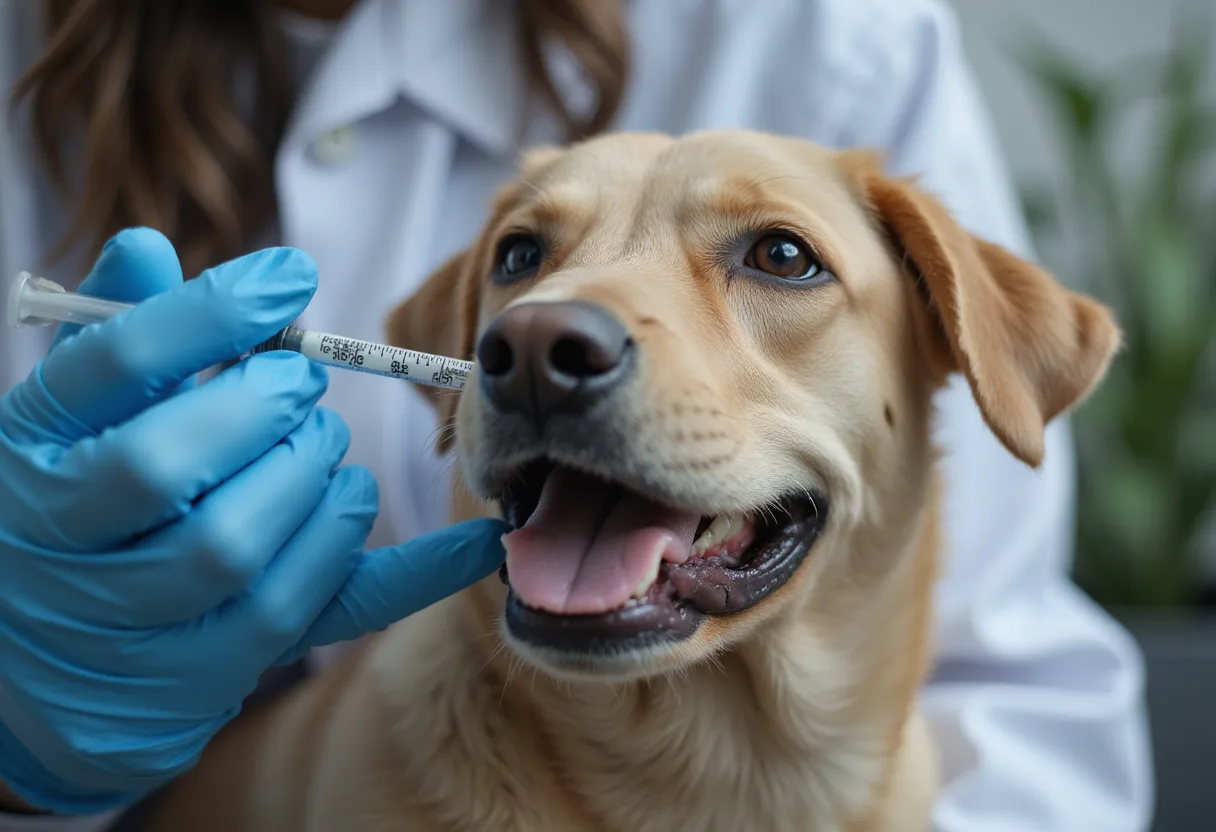
Photo: AI-generated
Egypt's Ministry of Agriculture has escalated field operations aimed at preventing rabies, according to a report by Egypt Independent. The announcement signals a renewed ministry-level push against a viral zoonosis that the World Health Organization (WHO) ranks among the deadliest but most controllable infectious diseases globally, with an estimated 59,000 human deaths each year, the majority linked to dog bites.
The Egypt Independent report, the only public-facing source available at the time of writing, did not specify the launch date of the campaign, the number of staff deployed, vaccination targets, the species prioritized, or the geographic districts covered. Veterinary and public-health stakeholders reading the headline announcement should treat the operational specifics as forthcoming until the Ministry of Agriculture publishes a full plan or holds a technical briefing.
What does an Egyptian field rabies push typically involve?
Rabies control in countries with a canine-mediated transmission profile — Egypt among them — generally rests on a small set of field-tested interventions:
- Mass canine vaccination drives, the WHO-recommended primary tool
- Stray dog population management, including humane capture–neuter–vaccinate–release programs
- Active surveillance of suspected animal cases and laboratory confirmation
- Community education on bite prevention and post-exposure care
- Coordination with human-health authorities on vaccine and immunoglobulin stockpiles
Egypt has historically reported both canine and, less commonly, livestock rabies cases. Camels, cattle, sheep, and goats can develop rabies after bites from infected dogs, creating direct economic losses for herders and occupational exposure for veterinarians, abattoir workers, and animal handlers. The ministry's field framing leaves open whether the current push focuses on dogs, livestock, or both.
Regulatory context for veterinary biologics
Veterinary vaccines used in Egypt fall under the General Organization for Veterinary Services (GOVS), the technical arm of the Ministry of Agriculture that registers animal vaccines and biological products for national use. U.S. practitioners do not face direct U.S. FDA Center for Veterinary Medicine (FDA-CVM) or U.S. Department of Agriculture (USDA) oversight of Egyptian vaccines; however, anyone importing animals or animal products from Egypt must still meet USDA-APHIS and Centers for Disease Control and Prevention (CDC) entry requirements, which are unaffected by this announcement.
What remains unclear
The Egypt Independent item did not carry a byline, publication date, spokesperson quote, or program budget. Several practical questions for Egyptian veterinarians, livestock producers, and One Health partners therefore remain open:
- Will the campaign include oral rabies vaccine (ORV) baits, a tool now used for wildlife in the U.S. and parts of Europe but less common in North African dog-control programs?
- What species and what proportion of the at-risk population will the ministry target?
- How will GOVS coordinate with the Ministry of Health and Population, the agency responsible for human post-exposure prophylaxis?
- Will reporting metrics align with the WHO–FAO–WOAH "Zero by 30" framework, which targets zero dog-mediated human rabies deaths by 2030?
Why this matters beyond Egypt
Rabies is a transboundary disease. Movement of dogs across North African borders, livestock trade, and human travel mean that intensified control in one country measurably reduces risk in neighbors. Egypt's ministry-level reactivation adds a data point for regional health bodies tracking progress toward the 2030 elimination target.
What to watch next
The decisive signal will be a published campaign plan: species targets, vaccination numbers, district phasing, and the budget supporting it. Without those figures, "field efforts" remains a directional statement rather than a measurable program.
Source: Google News: Veterinary medicine
Nathan Brooks
Show full bio
Senior reporter covering companies, deals and strategy in Small- and large-animal clinical practice at The Vet Scope.
Related articles
Rwanda Targets Zero Rabies Deaths by 2030 Through One Health
Rabies Prevention Belongs on Every Farm's Risk Checklist
AI Rabies Testing Platform Targets Global Diagnostic Gap
Community-Led Dog Vaccination Could Cut Rabies Deaths, WSU Study Finds
Stop Rabies Targets 15,000 Dogs Yearly in Remote Zimbabwe District