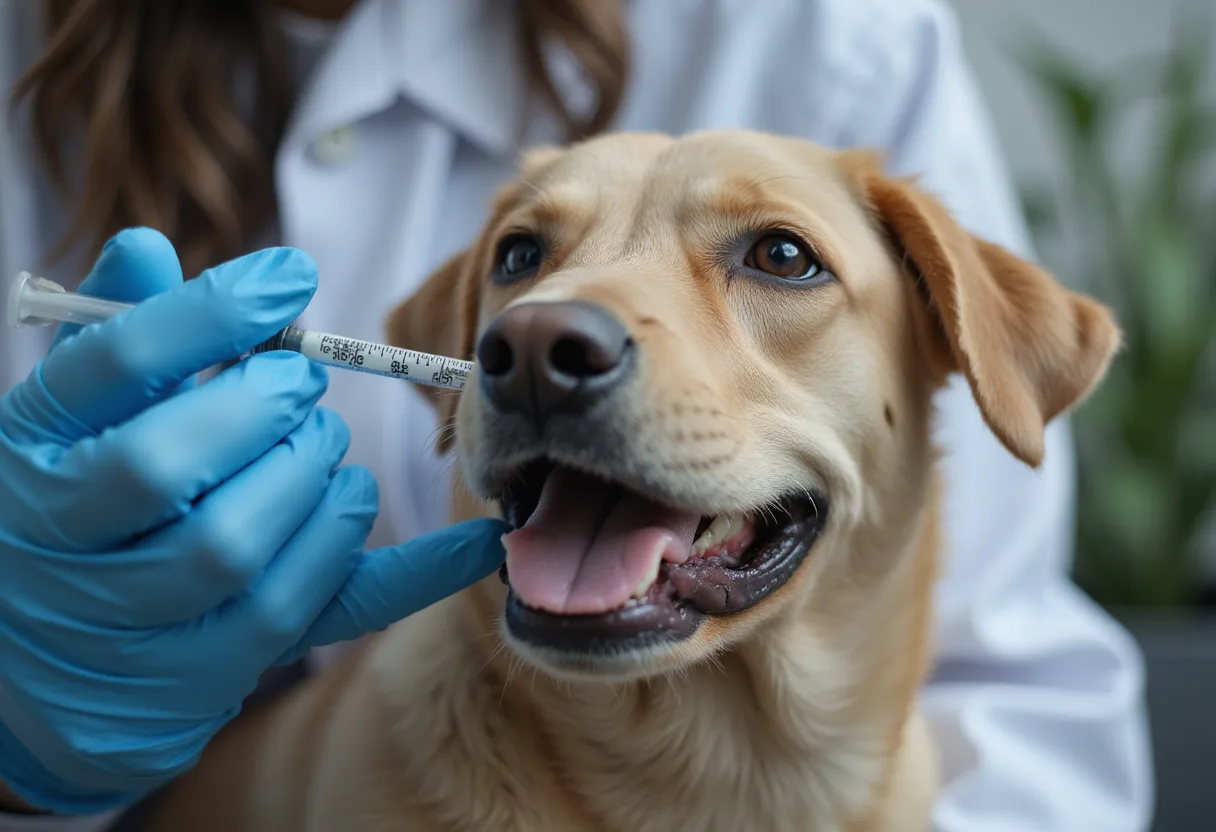
Stop Rabies Targets 15,000 Dogs Yearly in Remote Zimbabwe District
Stop Rabies expands into one of Zimbabwe's most remote districts with a stated annual target of roughly 15,000 dogs, Vet Candy reports, reshaping mass canine vaccination logistics.
Updated
A mass canine rabies vaccination program branded "Stop Rabies" is expanding into one of Zimbabwe's most remote districts with a stated annual target of roughly 15,000 dogs, Vet Candy reports.
The headline — "15,000 Dogs a Year: Stop Rabies Expands to One of Zimbabwe's Most Remote Districts" — anchors the announcement in two concrete terms: scale of the campaign and the geographic barrier it must overcome.
For practicing veterinarians, the figure sits in a meaningful operational range. District-level mass rabies drives in southern Africa commonly target between 2,000 and 10,000 dogs in single rounds. Reaching 15,000 in one campaign year signals multi-month outreach rather than a brief vaccination blitz.
What does expansion to a remote district change?
Remote-district work reshapes every layer of program design:
- Road access. Vaccine must travel farther on degraded routes, raising cold-chain failure risk for a product that must stay refrigerated from production to delivery.
- Dog handling. Free-roaming dogs in dispersed villages require catching strategies that urban and peri-urban campaigns rarely need.
- Workforce. Community-based animal health workers, not clinic-based veterinarians, typically deliver the bulk of injections in field settings.
- Reporting. Distance from district veterinary offices slows coverage data return and complicates surveillance on suspected bite cases.
Why the 15,000-dog benchmark matters
International guidance from the World Health Organization, WOAH and the Food and Agriculture Organization recommends vaccinating at least 70% of the canine population in any given area to interrupt rabies virus transmission.
If the target district holds, say, 20,000 to 25,000 dogs, then 15,000 vaccinations would meet or exceed the threshold in a single year. The harder question is what happens in subsequent years, when puppies enter the susceptible cohort and previously vaccinated dogs die or disperse.
Hitting the mark once and holding coverage for three to five consecutive years is the standard measure of program success in canine rabies elimination work.
Public-health implications
Dog-transmitted rabies remains the dominant source of human rabies cases across most of sub-Saharan Africa. A campaign that consistently clears the 70% coverage bar in a remote district for several consecutive years would be expected to:
- Reduce dog-to-dog rabies transmission locally
- Lower spillover risk to people, livestock and wildlife
- Cut human post-exposure prophylaxis demand in nearby health facilities
- Strengthen cross-border biosecurity if the district borders neighboring countries
For food-animal veterinarians in the region, the indirect benefit is reduced rabies exposure in cattle, which suffer economically significant losses when bitten by rabid dogs.
What changes at the exam table?
Practitioners in urban referral centers will see little direct change. The action sits squarely in the district-vet and community-animal-health space.
For mixed-animal veterinarians working in Zimbabwe's periphery, however, the campaign signals continued investment in field vaccination teams, training for community animal health workers, and a stable vaccine procurement pipeline.
What to watch next
The Vet Candy headline does not specify the named district, implementation timeline, funding source, cold-chain logistics or coverage measurement plan.
Veterinary practitioners tracking the campaign should look for follow-up reporting on those details, plus post-exposure prophylaxis trends at district hospitals and any rabies surveillance alerts in adjacent provinces.
A multi-year track record of reaching 15,000 dogs annually, paired with verified coverage data, would add the program to the short list of sub-Saharan mass vaccination efforts holding above the WHO-recommended threshold consistently.
Source: Google News: Veterinary medicine
Grace Kim
Show full bio
Staff writer covering regulation, policy and their impact on Small- and large-animal clinical practice at The Vet Scope.
Related articles
Community-Led Dog Vaccination Could Cut Rabies Deaths, WSU Study Finds
Rwanda Targets Zero Rabies Deaths by 2030 Through One Health
Egypt's Agriculture Ministry Ramps Up Rabies Field Operations
Chile becomes first South American country to eliminate dog-transmitted rabies
Two Bats Test Positive for Rabies in Montana, Prompting Pet-Owner Warning