Two Bats Test Positive for Rabies in Montana, Prompting Pet-Owner Warning
Two bats have tested positive for rabies in Montana, triggering an urgent warning for pet owners to verify vaccination status and report all pet–bat contact.
Updated
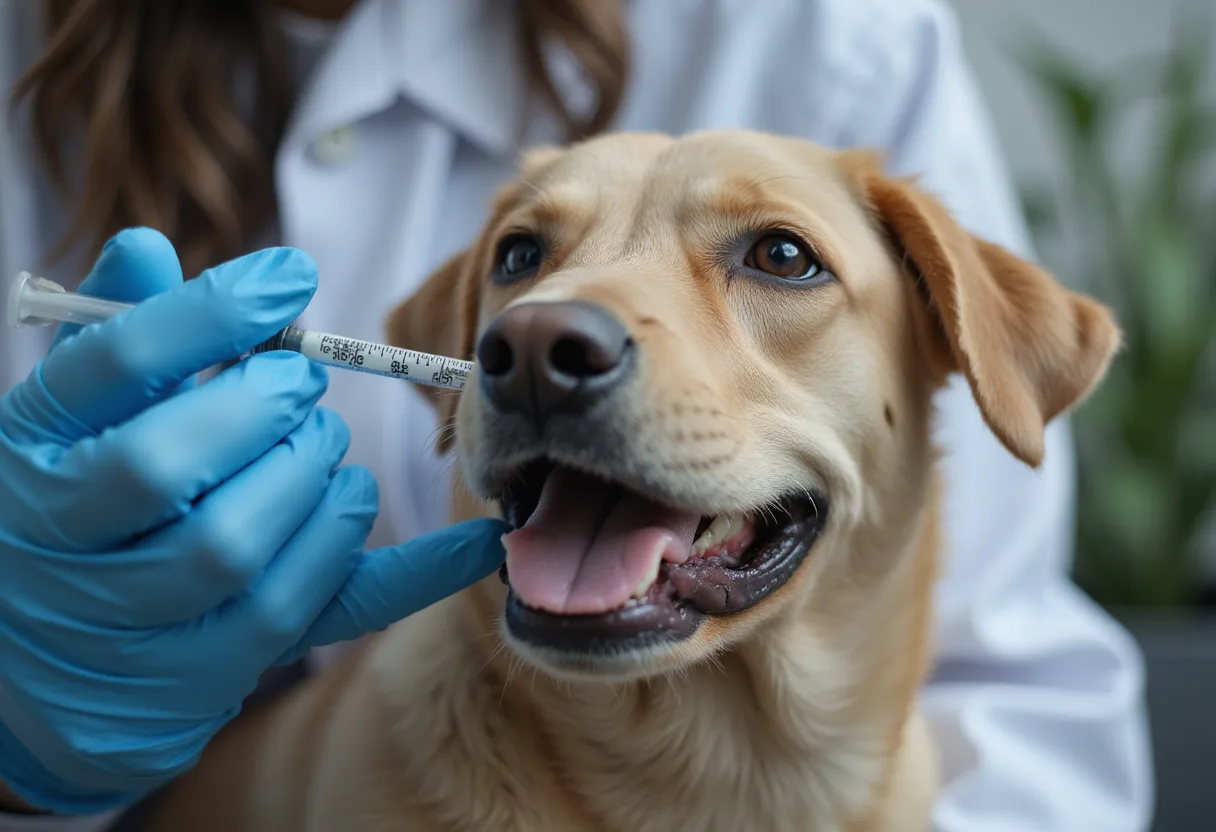
Photo: AI-generated
Two bats have tested positive for rabies in Montana, prompting an urgent warning to pet owners in the affected region to confirm their animals' vaccination status and report any contact between pets and bats.
The confirmations place Montana among the states where bat-variant rabies — the most common source of rabies exposure for humans and domestic animals in the United States — is actively circulating in wildlife this season. For practicing veterinarians, the cases are a concrete prompt to re-verify rabies vaccination protocols for every patient with outdoor access, particularly cats, which national surveillance has repeatedly identified as the companion animal most often found rabid.
Why bat rabies cases matter at the exam table
Bats are the leading wildlife reservoir of rabies in the U.S., and bat-variant rabies is the strain most frequently responsible for human rabies deaths in the country. A single confirmed positive bat in a county changes the local risk calculus in three ways:
- Exposure definition widens. Any unsupervised contact between a pet and a bat — including a bat found in a home with a sleeping pet — should be treated as a potential exposure until the bat tests negative.
- Vaccination status becomes decisive. A current rabies vaccination dramatically changes the post-exposure pathway for the animal, typically reducing the required response to a booster and a short observation period under state law rather than quarantine or euthanasia.
- Human exposure must be triaged simultaneously. Owners handling a pet immediately after bat contact, or waking to find a bat in a bedroom, need referral guidance on post-exposure prophylaxis through public health channels.
Montana's warning to pet owners follows the standard public-health playbook: keep pets' rabies vaccinations current, avoid contact with bats and other wildlife, and report bats found alive, sick, or dead in living spaces so they can be submitted for testing rather than discarded.
What changes at the practice level
For clinics in the affected area, the cases argue for a short, concrete checklist rather than a general advisory:
- Pull recall lists for dogs and cats with lapsed or due-for-booster rabies vaccinations and contact those clients directly.
- Screen incoming appointments for any history of bat contact, wounds of unknown origin, or neurological signs consistent with rabies, and apply standard barrier precautions with suspect patients.
- Coordinate in advance with the state veterinary diagnostic laboratory on specimen submission and packaging so bat carcasses are testable rather than decomposed on arrival.
- Document vaccination conversations in the record, including owner declinations — a point that carries weight in any subsequent exposure investigation.
The food-animal dimension is narrower but real: livestock, particularly horses and cattle on rural properties where bats roost in barns, are susceptible to rabies. Bovine and equine rabies cases are typically fatal and often first present as behavioral or progressive neurologic disease, so producers finding bats in barns should raise the issue with their veterinarian rather than dismissing it.
The public-health frame
Rabies remains essentially uniformly fatal once clinical signs develop, in animals and in humans, which is why public-health authorities treat every confirmed wildlife case as an exposure-prevention event rather than a curiosity. The Montana warning directs pet owners to contact public health officials or their veterinarian if they suspect a pet has encountered a bat, and to never handle a bat bare-handed — a bite from a small bat can go unnoticed, which is exactly the scenario that drives human post-exposure decisions.
Veterinarians sit at the hinge of that system. The profession reports suspect animals, submits specimens, administers the vaccinations that determine an exposed pet's fate, and guides owners to human post-exposure care when their own exposure is in question. Two positive bats in Montana is a small number in absolute terms; as a signal of active circulation in the local bat population, it is the trigger the system is built to act on.
Clinics and pet owners in the affected region should expect updated guidance from Montana public health and veterinary authorities as surveillance continues through the season, with additional submissions and test results determining whether the warning expands to new counties.
Source: Google News: Veterinary medicine
Grace Kim
Show full bio
Staff writer covering regulation, policy and their impact on Small- and large-animal clinical practice at The Vet Scope.
Related articles
Rabid Bat Found Inside Virginia Home Triggers Richmond Health Warning
Community-Led Dog Vaccination Could Cut Rabies Deaths, WSU Study Finds
Rabies Case in Cattle Prompts Safety Guidance From Health Officials
Rabies Prevention Belongs on Every Farm's Risk Checklist
World Zoonoses Day returns July 6 with a One Health reminder