Rabid Bat Found Inside Virginia Home Triggers Richmond Health Warning
A bat testing positive for rabies was found inside a Virginia home, prompting Richmond-area public health warnings on exposure assessment and pet boosters.
Updated
A bat that tested positive for rabies was found inside a private home in Virginia, prompting a public health warning to residents in the Richmond area, Vet Candy reports.
The case stands out because of where the bat turned up. A rabid bat recovered outdoors typically poses limited risk to people. A bat found inside a living space changes the exposure calculus entirely, and that distinction drove the public health response in Richmond.
Why does an indoor bat change the risk assessment?
Public health guidance treats any bat discovered in a room where people were sleeping, intoxicated, or otherwise unable to confirm contact as a potential rabies exposure. Bat bites can be small enough to go unnoticed, and the virus is fatal once symptoms begin. That is why an indoor find triggers a recommendation to capture the animal safely for testing rather than release it.
For the Virginia household involved, the positive test result means anyone with possible contact faces a decision window: post-exposure prophylaxis works, but only if it starts before clinical signs appear.
Veterinarians in the Richmond area should expect related client calls in the coming weeks. Pet owners will ask two questions: whether their animal encountered the bat, and whether current vaccination status is adequate.
What does this mean for companion-animal practice?
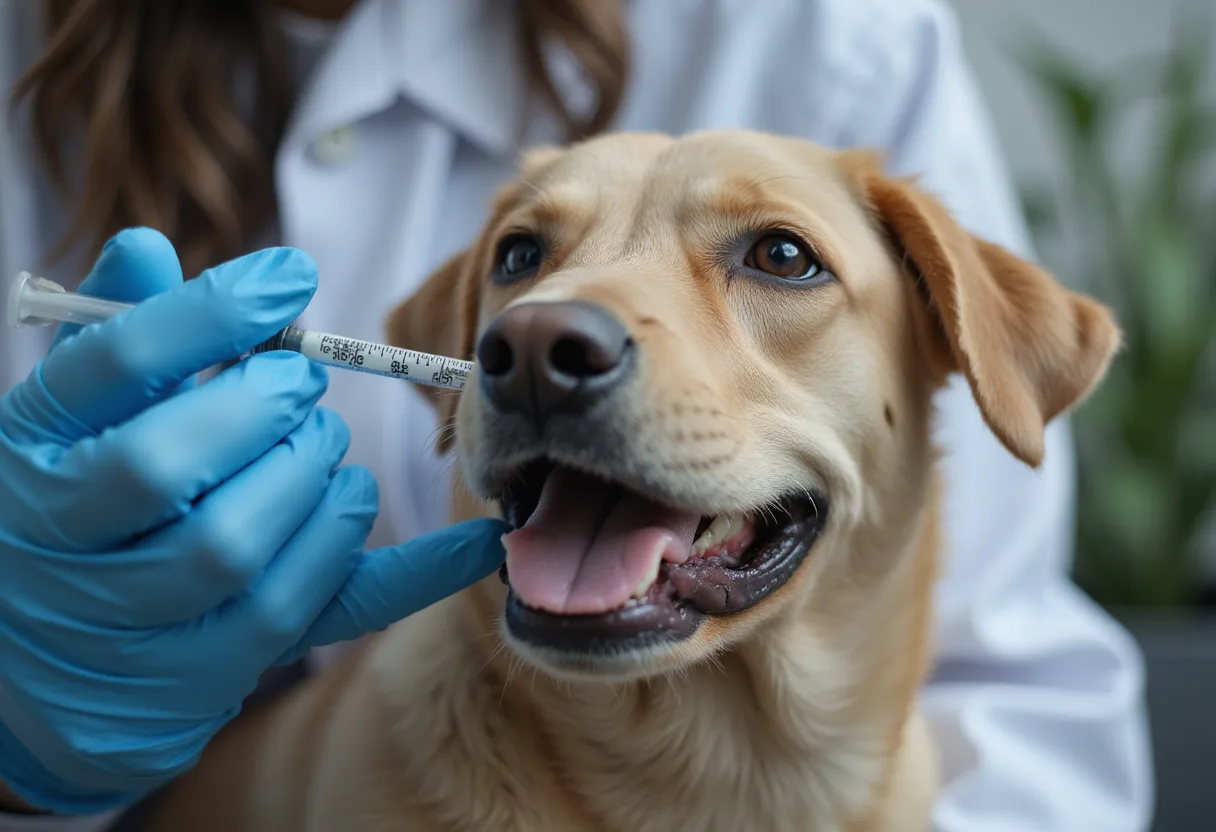
This case is a reminder to verify rabies vaccination status at every opportunity. For dogs, cats, and ferrets with a current rabies vaccination and a documented or suspected bat encounter, guidance generally calls for a booster and observation. For unvaccinated animals, exposure consequences are far more severe and are governed by state rules.
Virginia, like other U.S. jurisdictions, follows state-mandated rabies control protocols. Veterinarians handling potential-exposure calls should coordinate with local health department officials rather than advise clients unilaterally, since quarantine and euthanasia decisions sit with regulatory authorities, not the practicing clinician.
Bats remain a leading wildlife reservoir for rabies in the United States, alongside raccoons, skunks, and foxes. Indoor encounters cluster in warmer months, when bats enter living spaces through small openings in roofs, chimneys, and window frames.
What is the public-health message in Richmond?
The warning to Richmond-area residents centers on avoiding direct contact with bats and other wildlife. If a bat is found inside a home, residents should not release it or discard it. Instead, they should confine it if it can be done safely and contact animal control or local health authorities so the animal can be submitted for testing.
Anyone who may have touched a bat, or who woke to find one in their bedroom, should speak with a health care provider about post-exposure prophylaxis. Family pets found playing with a dead or live bat should be seen by a veterinarian promptly.
Home exclusion also matters. Sealing gaps larger than a dime, screening chimneys, and checking attic spaces reduce the chance of repeat indoor encounters.
Veterinarians and public health officials in the region will be watching for additional positive wildlife submissions as the active season continues.
Source: Google News: Veterinary medicine
Daniel Okafor
Show full bio
News editor covering technology and product news in Small- and large-animal clinical practice at The Vet Scope.
Related articles
Two Bats Test Positive for Rabies in Montana, Prompting Pet-Owner Warning
Community-Led Dog Vaccination Could Cut Rabies Deaths, WSU Study Finds
Rabies Prevention Belongs on Every Farm's Risk Checklist
Rabies Case in Cattle Prompts Safety Guidance From Health Officials
Stop Rabies Targets 15,000 Dogs Yearly in Remote Zimbabwe District