Dairy producer perceptions of H5N1 drive biosecurity study in Journal of Dairy Science
A Journal of Dairy Science study published October 9, 2026, asks how dairy producers' beliefs about H5N1 shape the biosecurity measures they actually adopt on farm.
Updated
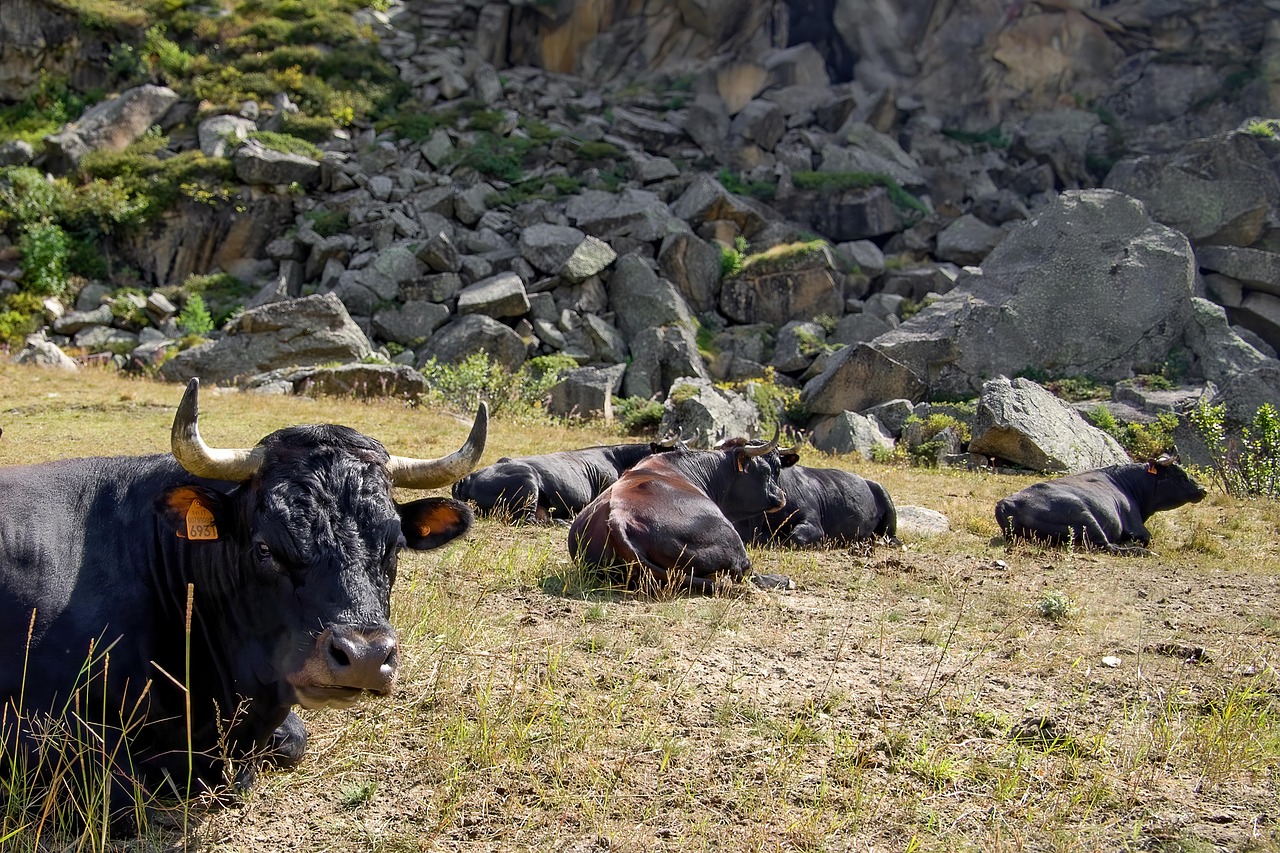
Photo: Pexels / pixabay
A study published online October 9, 2026, in the Journal of Dairy Science examines how dairy producers' perceptions of highly pathogenic avian influenza (HPAI) H5N1 influence whether they actually implement biosecurity changes on their farms. The paper comes from researchers Kakolee Mohanto, Catalina Picasso-Risso, Madonna Benjamin, Maria Isabel Espinoza, Annette O'Connor, and Zelmar Rodriguez.
The question sits at the center of the current H5N1 outbreak in U.S. dairy cattle. Since the virus moved into dairy herds, regulators and veterinary organizations have pushed a familiar toolkit: movement restrictions, worker personal protective equipment, isolation of affected animals, and heightened farm-level biosecurity. Whether producers adopt those measures depends less on the protocol itself and more on how they weigh the risk. That gap between perception and practice is what this study addresses.
Why producer perception matters for H5N1 control
Biosecurity on a dairy operates at the level of daily routine. Veterinarians can write the plan, but the people who execute it milk the cows, move the trucks, and handle the equipment. If a producer believes H5N1 poses little threat to their herd, or that control measures carry costs the operation cannot absorb, compliance falters at the chute and the loading dock.
The research team frames the problem precisely this way. Perception, they argue, is not background noise in outbreak response. It is the mechanism that determines whether a written biosecurity protocol becomes a practiced one or stays in a binder.
For bovine practitioners, this reframes the consultation. A herd health visit during an H5N1 response is not only a clinical task. It is a conversation about risk, economics, and trust, and the study's focus suggests that understanding a producer's view of the virus may predict biosecurity uptake better than any checklist.
What the study covers
The authors — a team spanning veterinary epidemiology, dairy extension, and quantitative risk assessment — investigate how producers' beliefs about H5N1 relate to the biosecurity changes they make, or do not make, on their operations. Mohanto and Rodriguez are affiliated with dairy-focused research programs, and O'Connor brings a background in evidence synthesis and risk analysis, which positions the work at the intersection of field practice and structured evaluation.
The paper appears in the Journal of Dairy Science, published online October 9, 2026. As an peer-reviewed outlet for dairy production science, the journal's acceptance places the study within the evidence base that extension services and industry groups draw on when they design outbreak guidance.
Implications across species and sectors
The dairy-specific framing carries weight beyond the milking parlor.
- Food-animal practice: Veterinarians advising dairy clients can expect the findings to inform how they present H5N1 risk and negotiate biosecurity steps, moving from mandates toward approaches that account for producer buy-in.
- Poultry and crossover risk: HPAI has long been a poultry problem. Its appearance in cattle created a mammalian reservoir question that links dairy biosecurity directly to broader avian influenza control.
- Public health: H5N1 in dairy herds raised occupational exposure concerns for farmworkers and kept raw milk products under regulatory scrutiny. Producer adoption of on-farm controls touches both fronts.
What to watch next
The study lands at a moment when federal and state agencies continue refining their H5N1 response in cattle, and when dairy veterinarians are still calibrating what effective, practical biosecurity looks like in this species. Its publication on October 9, 2026, adds a producer-side lens to a literature dominated by virology and epidemiology, and follow-up work translating its findings into extension tools would be the natural next step.
Source: Journal of Dairy Science (Elsevier)
Grace Kim
Show full bio
Staff writer covering regulation, policy and their impact on Small- and large-animal clinical practice at The Vet Scope.
Related articles
HPAI confirmed in two Washington dairy herds
Washington Reports First Avian Influenza Detection in Dairy Cattle
Washington Confirms Highly Pathogenic Bird Flu in Dairy Cattle
Case-Control Study Identifies Biosecurity Gaps Behind HPAI Outbreaks in Lower Saxony
Funded biosecurity reviews available as bird flu risk climbs