Private manufacturers licensed to produce South Africa's homegrown FMD vaccine
South Africa will allow private sector manufacturers to produce the ARC's locally developed FMD vaccine, expanding supply capacity for outbreak response.
Updated
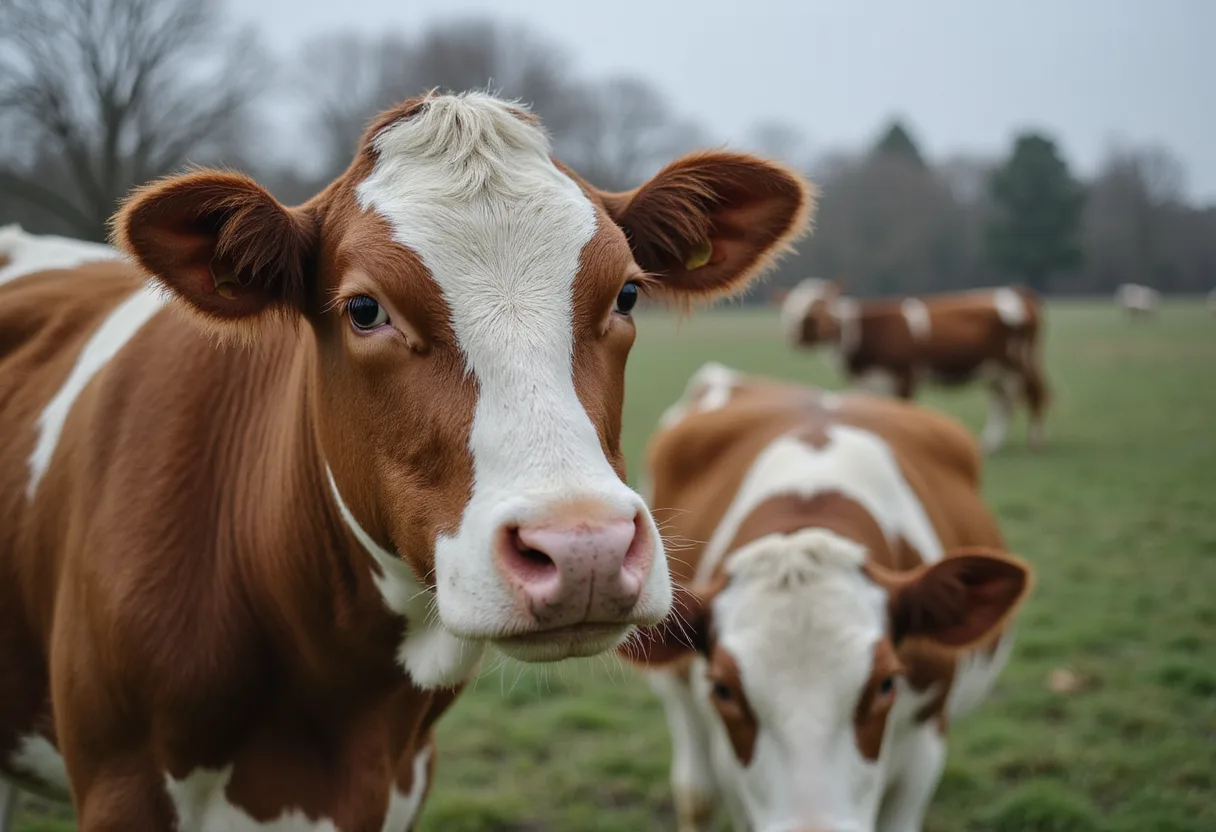
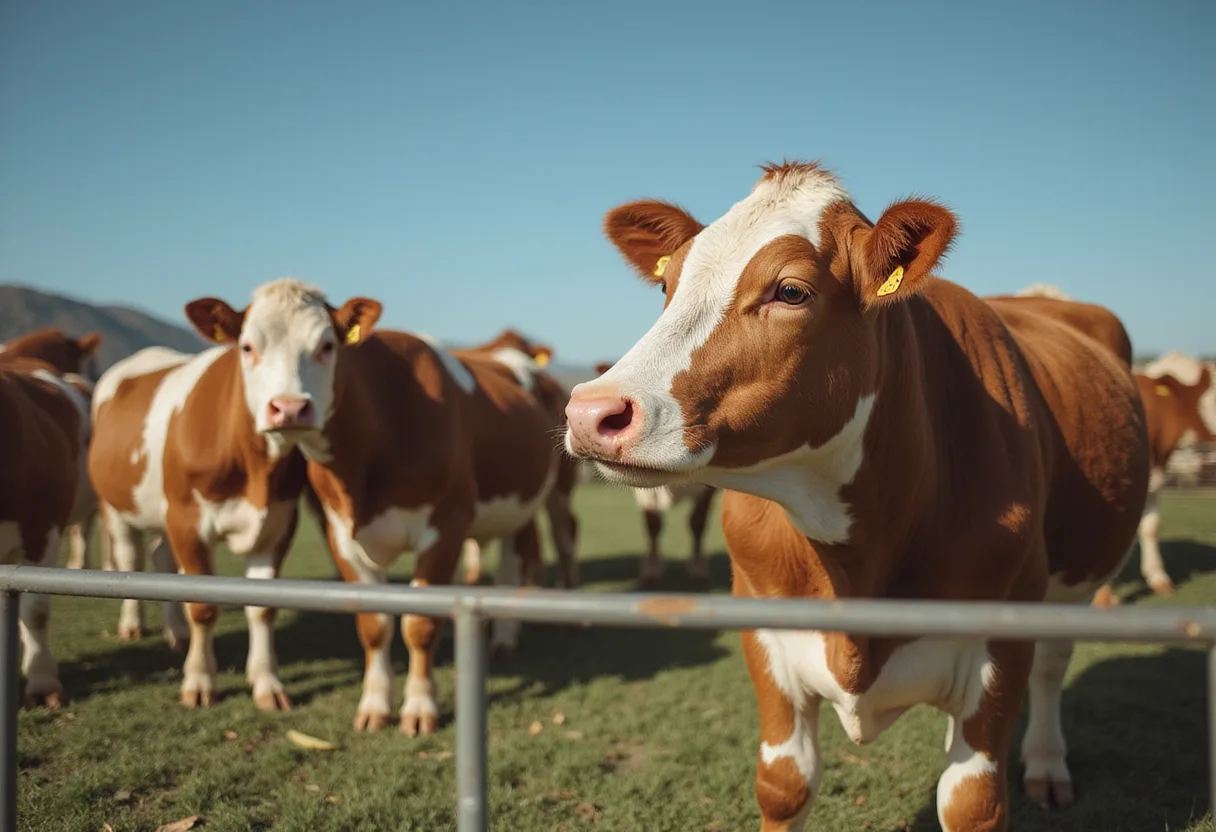
Photo: AI-generated
South Africa has opened manufacturing of the Agricultural Research Council's locally developed foot-and-mouth disease vaccine to private sector producers, ending the council's effective monopoly on supply of the product.
African Farming reports that the decision allows qualified private manufacturers to produce the locally developed FMD vaccine, a move with direct consequences for vaccination capacity on South African livestock operations.
Until now, the Agricultural Research Council (ARC) has produced the locally developed FMD vaccine in-house. That single-supplier arrangement constrained output whenever outbreaks increased demand. Allowing private manufacturers to make the same locally developed product potentially multiplies production capacity across several sites rather than one.
What changes for producers?
For cattle farmers, the practical question is vaccine availability. FMD vaccination in South Africa is controlled by state veterinary authorities, and herd-level access depends on how much vaccine the system can supply when outbreak response requires it. Additional licensed manufacturers should shorten the gap between an outbreak declaration and vaccine delivery to affected and buffer zones.
For veterinary practices, a broader manufacturer base can mean more predictable procurement channels and a more stable cold-chain pipeline through state and private distribution routes.
Why local development matters
The ARC's vaccine is locally developed, which carries specific weight in FMD control. Foot-and-mouth disease viruses circulate in distinct regional types and strains, and vaccine matching to the circulating field strain determines whether vaccination actually stops transmission. A domestically developed product is matched to the virus types South African veterinary authorities confront within their own borders.
South Africa's FMD status has direct trade consequences. Outbreak events trigger beef export bans from major importing markets, and recovery of that status depends on containment that includes targeted vaccination. A domestic vaccine produced at scale supports both animal-health containment and the trade position of the commercial beef sector.
Public-health and sector split
The companion-animal implications of this decision are minimal; FMD affects cloven-hoofed livestock — cattle, pigs, sheep and goats — and does not pose a meaningful vaccination question for dogs and cats.
For the food-animal sector, the change is substantial. Expanded manufacturing capacity bears on herd protection in commercial cattle operations and on the state's ability to run ring vaccination around outbreak focal points.
The public-health dimension is indirect but real: FMD is not a significant zoonosis, but uncontrolled outbreaks depress meat and dairy supply and destabilise rural livestock economies, so containment capacity has downstream food-security weight.
What is not yet specified
African Farming's report does not name the private manufacturers granted production rights, the timeline for first commercial batches, or the licensing terms attached to the technology transfer. Those details will determine how quickly expanded supply reaches the field.
South African animal-health products fall under oversight involving the Department of Agriculture and the national veterinary regulatory framework, and any newly licensed production will operate within that system.
The takeaway in plain words: more factories can now make the country's own FMD vaccine, which should mean faster supply when outbreaks hit.
The move now depends on how quickly licensed private manufacturers can bring validated production online and deliver doses at outbreak scale.
Source: Google News: Livestock health
Daniel Okafor
Show full bio
News editor covering technology and product news in Small- and large-animal clinical practice at The Vet Scope.
Related articles
Livestock Health Demand Pushes Vaccine Production Toward Africa
Local Vaccine Output Expands Across Africa to Meet Livestock Demand
Indonesia Ships US$21.3M in Animal Vaccines to Four African Markets
FMD Outbreak Ends Namibia's Disease-Free Status, Disrupts Livestock Trade
Gombe State Launches Mass Livestock Vaccination Campaign