Washington Reports First Avian Influenza Detection in Dairy Cattle
Washington confirms its first avian influenza detection in dairy cattle, extending the H5N1 dairy outbreak and resetting reporting, biosecurity and testing priorities.
Updated
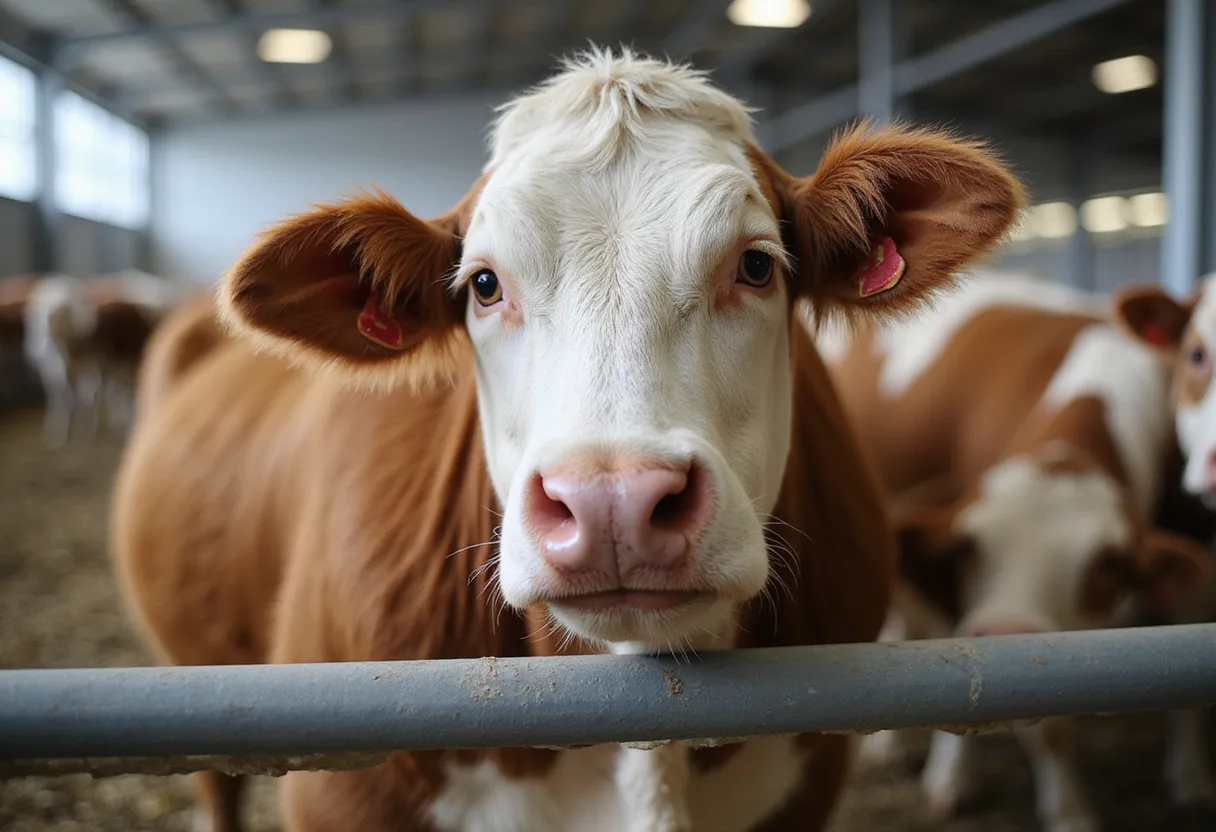
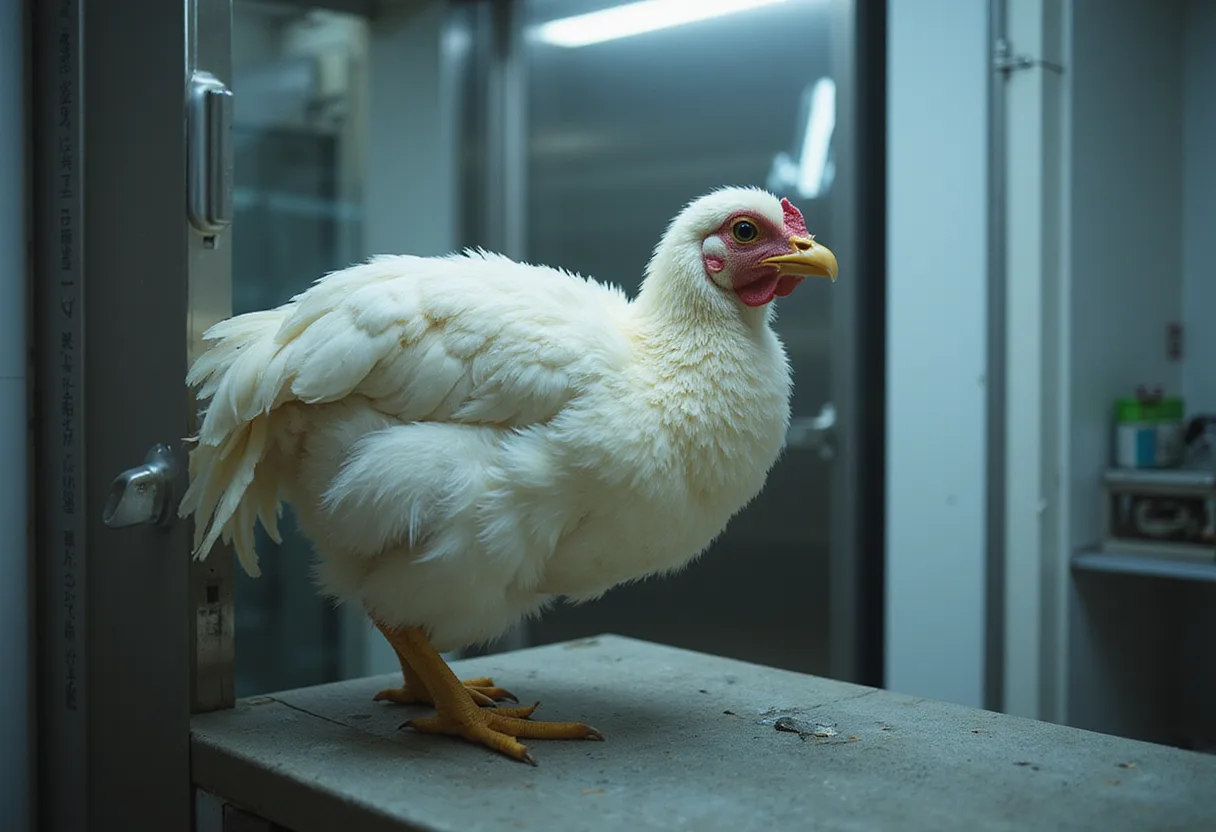
Photo: AI-generated
Washington has confirmed its first detection of avian influenza in dairy cattle, according to a report from Morning Ag Clips, marking the virus's arrival in the state's dairy sector for the first time.
The confirmation matters because it extends a disease event that has moved beyond poultry into lactating cows. For veterinarians in Washington and neighboring states, the signal is straightforward. Dairy producers who see the hallmark presentation — drops in milk production, thickened milk, reduced feed intake in mid-lactation cows — now have a confirmed local precedent, not a distant one.
What does a first detection change?
A first detection in a state resets the local risk calculus in three practical ways:
- Reporting thresholds. Suspect clinical signs in dairy herds now warrant immediate notification to the Washington State Department of Agriculture rather than watchful waiting.
- Biosecurity review. Dairies that share equipment, labor or haulers with other operations should reassess movement controls, particularly for raw milk and manure handling.
- Diagnostics. Veterinarians submitting samples from cattle with unexplained production drops should discuss influenza A testing with their diagnostic laboratory before defaulting to common causes of mastitis or ketosis.
Why dairy cattle?
Avian influenza viruses historically stayed in birds. This outbreak changed that. Once the virus established itself in dairy herds in 2024, veterinarians learned that lactating cows shed virus at high levels in milk, which put raw-milk consumers, farm workers and calf-feeding practices under new scrutiny.
That is the public-health dimension. Pasteurization inactivates the virus in commercial milk, and regulators including the FDA have consistently pointed to that safeguard. The companion-animal dimension sits mainly with raw diets and barn cats, which have shown illness and deaths linked to raw milk and infected birds in previous detections.
What should practitioners do now?
The food-animal implications lead. Herd veterinarians in Washington should review with clients the signs that trigger a call: sudden feed intake drops, tacky or thickened milk, fever in a cluster of cows. Isolate affected animals. Limit human exposure to obviously ill cattle and raw milk from affected quarters, using eye protection and gloves, because human infections in dairy workers have occurred during this outbreak.
Producers planning cattle movements should expect tightened interstate shipping requirements, since federal rules have required testing and movement documentation for lactating dairy cattle crossing state lines during this event.
What comes next?
Morning Ag Clips' report does not yet detail herd size, county, or the suspected route of introduction, so watch for the Washington State Department of Agriculture's follow-up confirmation, which typically specifies the premises, quarantine status and any epidemiological links to cattle movements from affected states. Those details will determine whether this is an isolated importation or evidence of local spread — the question that now shapes surveillance priorities across the region.
Source: Google News: Livestock health
Grace Kim
Show full bio
Staff writer covering regulation, policy and their impact on Small- and large-animal clinical practice at The Vet Scope.
Related articles
Washington Confirms Highly Pathogenic Bird Flu in Dairy Cattle
HPAI confirmed in two Washington dairy herds
Dairy producer perceptions of H5N1 drive biosecurity study in Journal of Dairy Science
USDA APHIS Avian Influenza Page Tracks Ongoing H5N1 Response
UK Confirms First Bird Flu Outbreak of the Season