UK Confirms First Bird Flu Outbreak of the Season
The UK has confirmed its first bird flu outbreak of the season, putting poultry keepers and vets on alert as migratory birds return and biosecurity pressure rises.
Updated
Photo: AI-generated
The United Kingdom has recorded its first bird flu outbreak of the season, according to Farmers Weekly, marking the start of another autumn-winter period of heightened avian influenza pressure for the country's poultry sector.
The confirmation puts poultry veterinarians, keepers of backyard flocks and commercial producers on notice: the virus is circulating again in British birds, and the usual seasonal precautions now carry real consequence.
What does a first outbreak mean for UK poultry?
A first confirmed case functions as the season's opening bell. From this point forward, every unexplained rise in mortality in a housed flock, every drop in egg production, and every report of dead wild birds warrants suspicion of highly pathogenic avian influenza until testing proves otherwise.
For practicing veterinarians, the immediate implications fall into three buckets:
- Companion animal risk remains low but non-zero. Dogs and cats with access to dead wild birds should be kept away from carcasses, and owners should be advised accordingly.
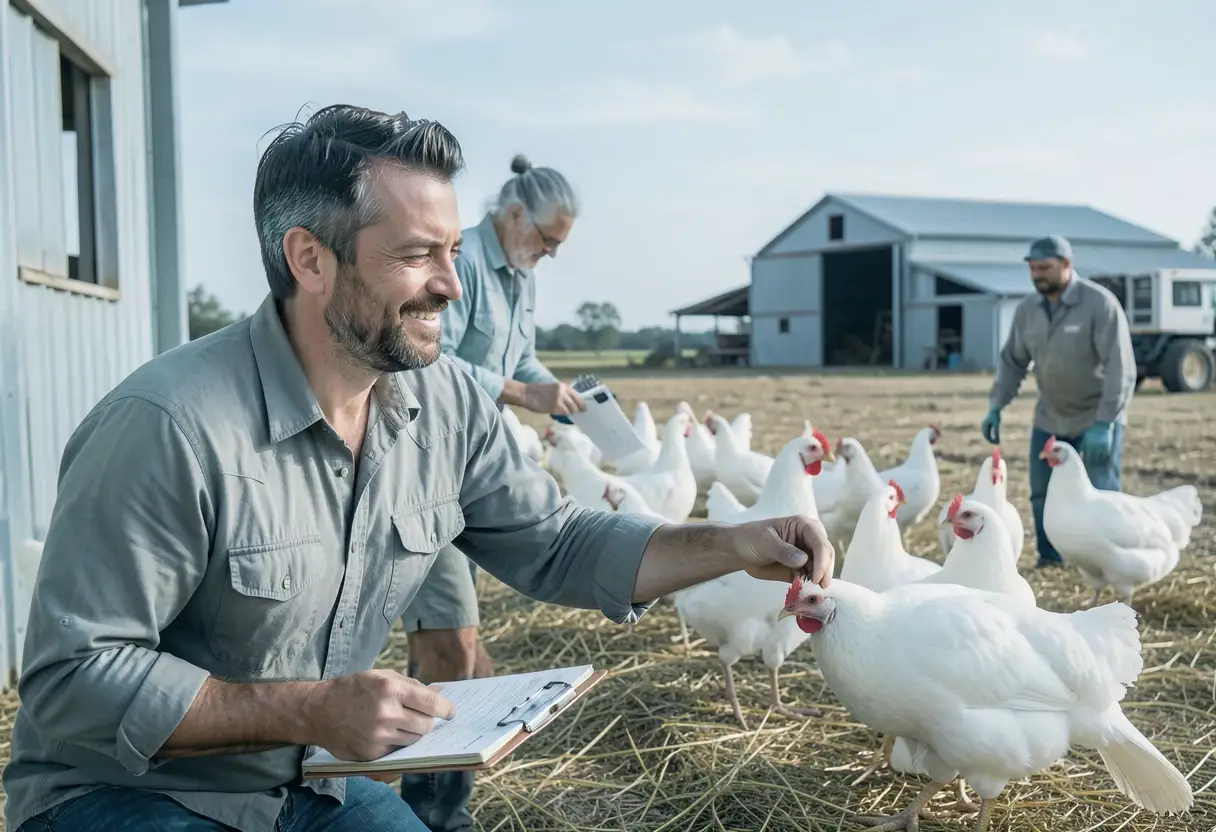
- Food-animal biosecurity moves to the front of the agenda. Producers should verify housing measures, footbaths, rodent control and separation of wild and domestic bird contact points now, not after a nearby case is confirmed.
- Public health messaging stays calm and factual. Properly cooked poultry and pasteurized eggs remain safe; the risk to the general public from this outbreak context remains low, consistent with UK health authorities' standing position on avian influenza.
How does the UK response system work?
When avian influenza is suspected or confirmed in Great Britain, government veterinary services implement a standard control framework. That framework typically includes:
- Establishment of a protection zone and a surveillance zone around the infected premises
- Movement restrictions on poultry, eggs and poultry products within those zones
- Humane culling of affected birds where required to contain spread
- Enhanced surveillance of nearby premises and wild bird populations
Keepers are legally obligated to report suspected cases — sudden mortality, respiratory distress, swelling of the head or a sharp fall in water intake — to veterinary authorities without delay. Early reporting remains the single most effective lever for limiting the size of an outbreak, a lesson reinforced across previous UK seasons.
Why does the first case land now?
Avian influenza in the UK follows a seasonal rhythm. Migratory waterfowl arriving from autumn onward carry the virus and shed it into the environment, where it can reach kept birds through direct contact, contaminated feed, water, bedding, footwear and equipment.
That means the coming weeks — not the coming months — are the window in which biosecurity lapses get punished. Vets advising commercial clients should be reviewing biosecurity plans now, when the fix costs an hour of staff time, rather than after infection arrives, when the cost is measured in culled birds and restricted trade.
What should vets and keepers watch for?
Clinical suspicion should sharpen around the classic presentation of highly pathogenic avian influenza in Galliformes: sudden, steep mortality without another explanation is the single most reliable warning sign. Supporting signs include:
- Cyanosis and swelling of the comb, wattles or head
- Neurological signs such as twisted necks or tremors
- Pronounced drop in feed and water intake
- Respiratory distress and diarrhoea
Any of these in a flock, particularly with concurrent dead wild bird findings nearby, should trigger an immediate report rather than a wait-and-see approach.
What comes next?
With the season's first outbreak now on the board, further confirmations in wild birds and kept flocks are likely in the weeks ahead, and government messaging on housing and biosecurity measures is expected to tighten as the autumn migration peaks. Veterinary professionals serving poultry clients will find the coming months defined by vigilance at the farm gate — and by how quickly suspected cases reach the authorities.
Source: Google News: Livestock health
Elena Vasquez
Show full bio
Market editor covering money, funding and market shifts around Small- and large-animal clinical practice at The Vet Scope.
Related articles
Funded biosecurity reviews available as bird flu risk climbs
MSU Study Maps How Avian Flu Reaches Offspring Before and After Birth
USDA APHIS Avian Influenza Page Tracks Ongoing H5N1 Response
H5N5 Avian Influenza Confirmed on Isle of Lewis, Scotland
Systematic Review Maps How Avian Flu Incursion Risk Models Are Built