Large Animal Care Access Gap Persists Across the US
The US large animal veterinary care access gap persists, per VIN News Service, leaving rural producers and horse owners facing distance and delay for essential services.
Updated
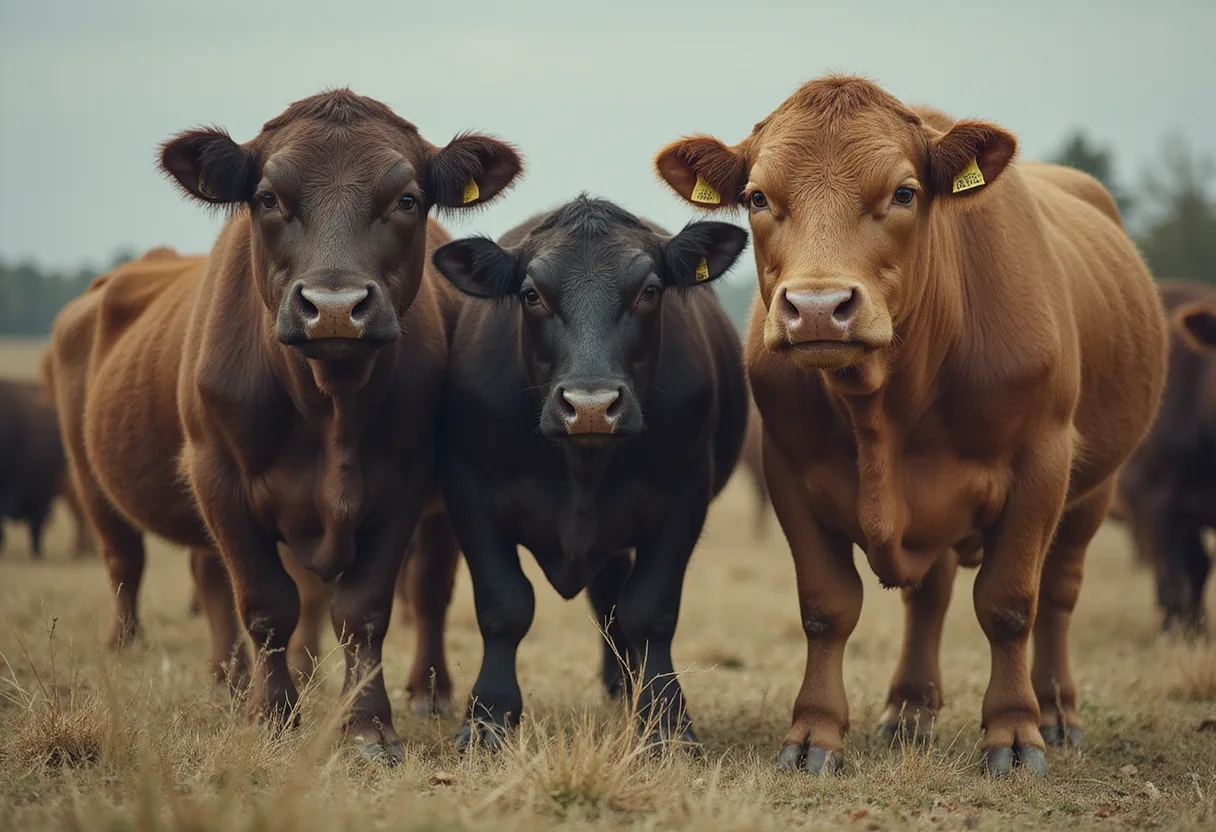
Photo: AI-generated
The United States still lacks adequate access to veterinary care for large animals, and the shortage shows no sign of closing, according to a VIN News Service report on the persistent gap in food-animal and rural practice coverage.
For producers, horse owners, and rural companion-animal clients alike, the practical consequence is the same: longer travel distances, longer wait times for non-emergency visits, and in some regions no local option at all for after-hours emergencies. The VIN News Service reporting, titled "Large animal care access gap in US persists," frames the problem as ongoing rather than improving — a distinction that matters for anyone scheduling a herd health visit or weighing whether a colic case can wait for morning.
What does the access gap mean in practice?
A shortage of large animal veterinarians translates directly into decisions made at the barn and in the paddock. When the nearest practitioner is hours away, producers absorb that distance in several ways:
- Delayed treatment of conditions where timing affects outcomes
- More owner-performed interventions that would otherwise be veterinary procedures
- Higher per-visit costs once travel and call-out fees are included
- Consolidation of services into regional clinics rather than local practices
The VIN News Service account describes this situation as persisting — the word doing the work here. This is not a new shortfall being reported for the first time, but a known problem that has continued without resolution.
Why does the gap persist?
Industry discussion of large animal shortages has historically pointed to a set of reinforcing pressures, and the persistence described in the report is consistent with those dynamics remaining in place. Veterinary graduates have disproportionately chosen companion-animal practice over food-animal and mixed practice, and rural practice carries demands — emergency hours, physical labor, geographic isolation — that urban small-animal work does not. Loan debt relative to rural practice income has repeatedly been cited as a factor pushing new graduates away from food-animal medicine.
The VIN News Service framing does not announce a reversal of any of these pressures. That absence is itself the news: whatever programs, incentives, or workforce initiatives have been applied to date, the gap remains.
What are the implications for different sectors?
For food-animal producers, the access gap is a herd-health and biosecurity issue, not only a convenience issue. Timely veterinary involvement supports disease surveillance, responsible antimicrobial use, and emergency response capability.
For horse owners, the gap carries emergency-medicine weight. Colic, foaling complications, and lacerations are time-sensitive, and distance to a practitioner changes triage decisions.
For public health, rural veterinary capacity sits inside the food-safety and zoonotic-disease infrastructure. A thin distribution of large animal practitioners means fewer eyes on animal health in the regions where food is produced.
What comes next?
The VIN News Service report contributes to a running record of coverage documenting that the large animal care access gap has not closed. Whether the coming years bring measurable movement — through workforce programs, telehealth-supported triage, or shifts in graduate career choices — is the question that both the profession and rural clients are waiting to see answered.
Source: Google News: Animal health industry
Amara Osei
Show full bio
Correspondent covering companies, deals and strategy in Small- and large-animal clinical practice at The Vet Scope.
Related articles
Rural Veterinarian Shortage Strains Farm Animal Care in Countryside Communities
Too Few Vets, Too Many Animals: The Farm Veterinarian Shortage
Large Animal Vet Shortage Adds New Burden for Cattle Producers
National Veterinarian Shortage Is Delaying Pet Appointments in Richmond
Rising Veterinary Costs Strain Pet Owners and Clinics in Upper Valley