High School Students Trained to Fill Rural Veterinarian Gaps
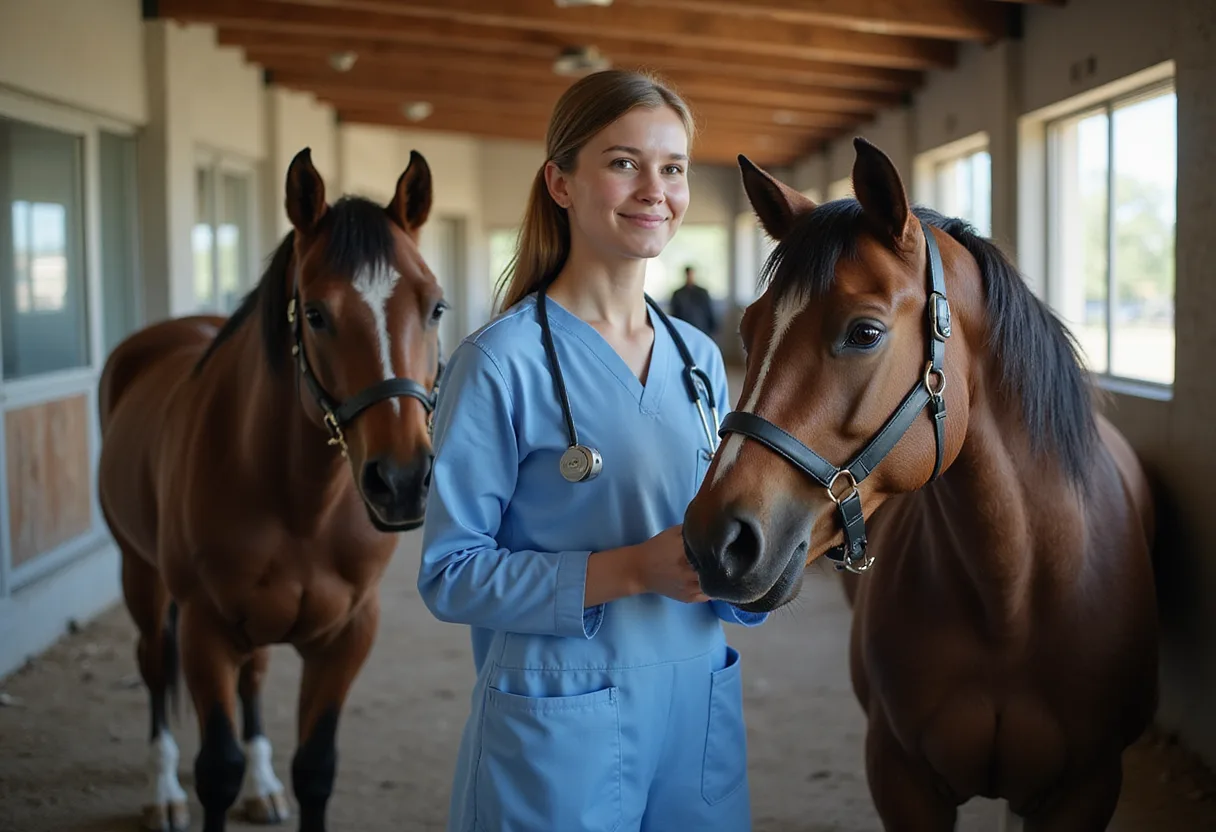
High school students in rural areas are receiving hands-on veterinary training aimed at easing persistent staffing shortages in food-animal practice across agricultural regions.
Updated
Photo: AI-generated
High school students in rural communities are receiving hands-on veterinary training as part of an effort to ease a persistent shortage of veterinarians serving agricultural regions, the High Plains Journal reports.
The program places students on a career track toward food-animal and rural practice — an area where staffing gaps have stretched existing clinics and left some livestock producers without timely access to care. Students gain early exposure to the daily work of rural veterinary medicine, from animal handling to clinical procedures, before they ever apply to a veterinary college.
For practitioners in underserved counties, the shortage is not an abstract workforce statistic. When a practice cannot recruit an associate, remaining veterinarians absorb larger call rotations, emergency coverage thins out, and producers may wait longer for herd-health visits, dystocia response, or regulatory work such as pregnancy checks and disease surveillance. Programs that begin recruiting talent at the high school level aim to shorten the pipeline from rural classroom to rural clinic.
The strategy behind early training is straightforward. Students who grow up in agricultural communities and enter veterinary medicine are more likely to return to practice in those communities after graduation — a consideration given that veterinary college classes often skew toward companion-animal interests, while food-animal positions in remote areas go unfilled.
What this means at the practice level
For rural mixed-animal practices, the arrival of trained local talent could ease recruitment pressure that has driven some clinics to reduce services or close. For producers, a stabilized veterinary workforce supports continuity in herd health planning, vaccination protocols, and emergency response.
For students, the training offers a structured entry point into a profession that typically requires eight or more years of education beyond high school. Early exposure allows them to test their interest against the physical and scheduling realities of farm calls before committing to the academic path.
The initiative reflects a broader pattern of workforce responses to rural veterinary shortages, in which states, school districts, and veterinary organizations have experimented with loan-forgiveness incentives, track-admission programs at veterinary colleges, and now secondary-education pipelines. Each approach addresses a different bottleneck in the pipeline: cost, admissions priorities, and — in this case — the initial supply of rural students who see veterinary medicine as an attainable career.
Whether high school training programs measurably increase the number of graduates returning to rural practice will depend on long-term tracking, and program organizers will need data on placement rates to demonstrate results. For now, clinics and producers in participating regions gain a visible signal that the next generation of rural veterinarians is being recruited from within their own communities.
Source: Google News: Veterinary medicine
Daniel Okafor
Show full bio
News editor covering technology and product news in Small- and large-animal clinical practice at The Vet Scope.
Related articles
LSU program targets rural food animal veterinary shortage
Purdue Veterinary College Expands, Targeting Rural Care Gaps
Rural Veterinarian Shortage Strains Farm Animal Care in Countryside Communities
Too Few Vets, Too Many Animals: The Farm Veterinarian Shortage
Lyon College Names New Dean for Its School of Veterinary Medicine